


 G7 Foreign Ministers Gather in France Amid Global Tensions and U.S. Policy Uncertainty
  FEMA Reinstates $1 Billion Disaster Prevention Grant Program After Court Order
  Israeli Airstrike Targets Building in Beirut's Southern Suburbs Amid Ongoing Hezbollah Conflict
  US Accelerates Taiwan Arms Deliveries Amid Rising China Threat
  CPAC 2026: Republicans Back Trump's Iran Strikes Amid Growing Public Skepticism
  Trump Signs Executive Order to Pay TSA Workers Amid Airport Security Crisis
  Pakistan's Diplomatic Rise: Mediating U.S.-Iran Peace Talks
  Trump Administration Settles Lawsuit Barring Federal Agencies from Pressuring Social Media Censorship
  Trump Seeks Quick End to U.S.-Iran Conflict Amid Ongoing Middle East Tensions
  China Opens Door to Stronger U.S. Trade Ties Amid Rising Tensions
  Jay Bhattacharya to Continue Leading CDC as White House Searches for Permanent Director
  Iran-U.S. Negotiations: Tehran Reviews American Peace Proposal Amid Ongoing Gulf Conflict
  Iran Demands Lebanon Be Part of Any Ceasefire Deal With Israel and the U.S.
  Trump's Signature to Appear on U.S. Currency Starting Summer 2025
  Trump's Overhaul of American History: Museums, Monuments, and Cultural Institutions
  California Renames Cesar Chavez Day to Farmworkers Day Following Sexual Abuse Allegations
  Trump to Visit China in May for High-Stakes Xi Summit Amid Iran War


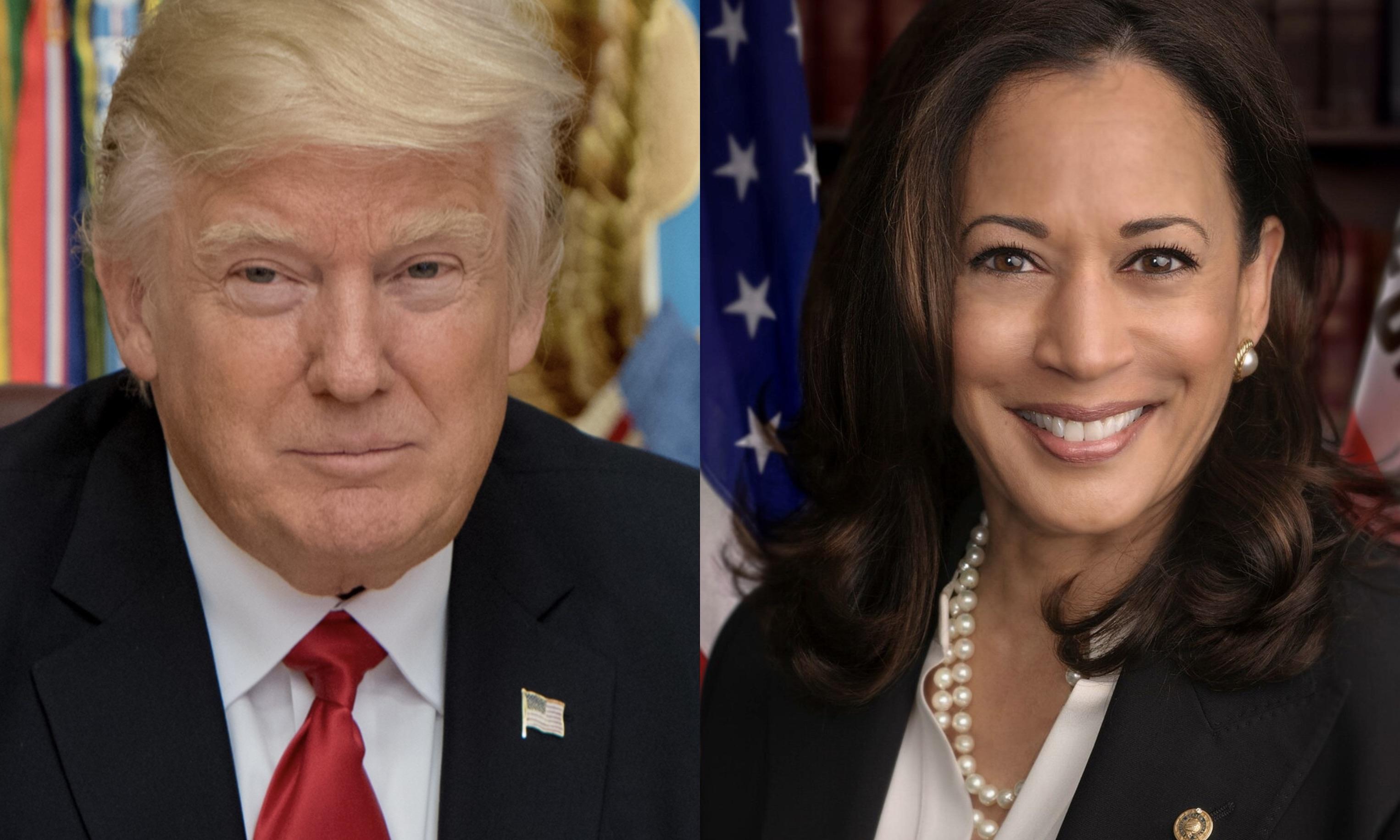
As the 2024 presidential race inches closer, attention is turning to the policy platforms of leading candidates, Donald Trump and Kamala Harris. With Trump seeking to reclaim the White House and Harris potentially stepping up as the Democratic nominee following rumors of President Joe Biden's exit, the two are positioning themselves as starkly different candidates on economic and foreign policy fronts.
Trump's economic vision centers on the "America First" agenda that defined his time in office, which emphasized deregulation, tax cuts, and a push for domestic manufacturing. His economic policy appeals to working-class voters who benefited from his tax overhaul and his administration’s efforts to renegotiate trade deals. Trump has long touted his ability to stimulate job growth and support American industries, framing his policies as a remedy for what he perceives as unfair trade practices and outsourcing. Central to his economic policy has been reducing government intervention and providing incentives for corporations to remain in or return to the United States.
Harris, on the other hand, supports a more progressive economic agenda that aligns with the Biden administration's focus on infrastructure investment, healthcare reform, and expanded social safety nets. As vice president, Harris has advocated for government intervention in key areas, including efforts to address income inequality and ensure affordable access to housing and healthcare. A staunch proponent of raising the minimum wage, Harris is focused on addressing systemic disparities that affect marginalized communities and promoting policies that benefit the middle class.
On foreign policy, the candidates also present divergent approaches. Trump’s presidency was marked by an emphasis on "peace through strength," withdrawing from multilateral agreements such as the Iran nuclear deal and the Paris Climate Accord, while engaging in high-profile negotiations with North Korea. His administration's foreign policy was centered on renegotiating international trade deals, particularly with China, in an effort to prioritize U.S. economic interests. Trump's hardline stance on immigration and defense spending also defined his foreign policy platform.
Harris’s foreign policy aligns more closely with traditional Democratic stances, emphasizing diplomacy, rebuilding international alliances, and tackling global challenges like climate change. As a strong advocate for re-entering the Paris Climate Agreement and reviving nuclear negotiations with Iran, Harris champions multilateralism and cooperative global leadership. Her policy approach is rooted in restoring U.S. credibility on the world stage and addressing global inequalities exacerbated by the COVID-19 pandemic.
While Trump’s policies aim to recalibrate U.S. relationships with a focus on America’s economic interests, Harris advocates for a balance between domestic welfare and active global engagement. Both candidates, however, will need to articulate how their policies will address pressing challenges such as inflation, immigration reform, and the U.S.'s evolving role in a multipolar world.
As the race heats up, voters will likely be weighing these key differences, particularly as economic recovery and foreign relations remain top priorities. Trump's supporters argue that his hard-nosed tactics delivered results for American workers and boosted the economy, while Harris's backers believe her policies will offer a more inclusive path forward, both domestically and internationally.







