


 Ohio Man Indicted for Alleged Threat Against Vice President JD Vance, Faces Additional Federal Charges
  New York Legalizes Medical Aid in Dying for Terminally Ill Patients
  U.S. to Begin Paying UN Dues as Financial Crisis Spurs Push for Reforms
  Trump Backs Nexstar–Tegna Merger Amid Shifting U.S. Media Landscape
  Trump Lifts 25% Tariff on Indian Goods in Strategic U.S.–India Trade and Energy Deal
  Trump Signs Executive Order Threatening 25% Tariffs on Countries Trading With Iran
  Trump Administration Appeals Court Order to Release Hudson Tunnel Project Funding
  India–U.S. Interim Trade Pact Cuts Auto Tariffs but Leaves Tesla Out
  US Pushes Ukraine-Russia Peace Talks Before Summer Amid Escalating Attacks
  Trump Says “Very Good Talks” Underway on Russia-Ukraine War as Peace Efforts Continue
  TrumpRx.gov Highlights GLP-1 Drug Discounts but Offers Limited Savings for Most Americans
  Trump Allows Commercial Fishing in Protected New England Waters
  Antonio José Seguro Poised for Landslide Win in Portugal Presidential Runoff
  China Warns US Arms Sales to Taiwan Could Disrupt Trump’s Planned Visit
  Sydney Braces for Pro-Palestine Protests During Israeli President Isaac Herzog’s Visit
  Anutin’s Bhumjaithai Party Wins Thai Election, Signals Shift Toward Political Stability
  Japan’s Prime Minister Sanae Takaichi Secures Historic Election Win, Shaking Markets and Regional Politics


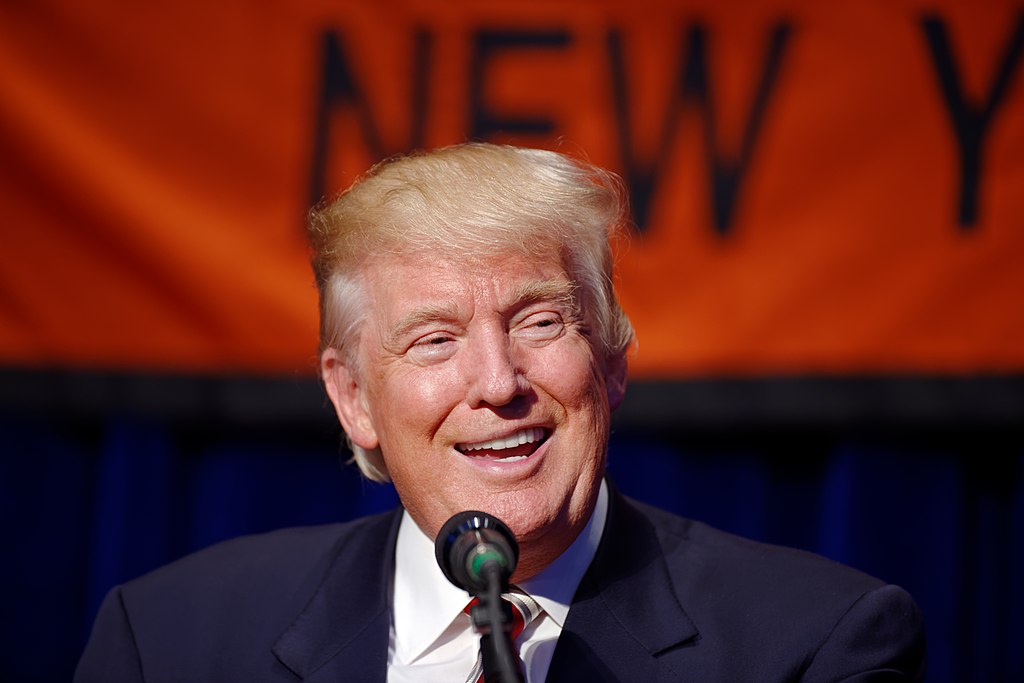
In a bold economic pledge, Donald Trump has vowed to impose a 100% tariff on any country that abandons the U.S. dollar as its primary currency in international trade, a move that could significantly escalate global trade tensions if implemented. The former president’s proposal, made during a recent campaign rally, is part of his broader strategy to protect the U.S. economy and assert American dominance in global financial markets as he ramps up his 2024 presidential campaign.
Trump’s vow comes at a time when several nations have expressed interest in reducing their reliance on the U.S. dollar in favor of other currencies, such as the Chinese yuan or the euro. Countries like China and Russia have taken steps to establish alternative payment systems and shift trade agreements away from the dollar in recent years, leading to growing concern among U.S. policymakers about the long-term stability of the dollar’s role as the world’s reserve currency.
Trump’s proposal to enact a 100% tariff on such countries represents an aggressive stance that would likely disrupt global trade relationships and further complicate diplomatic ties. While intended to safeguard U.S. economic interests, the policy has already drawn criticism from economists and international trade experts, who warn that it could lead to retaliatory measures and harm American businesses that rely on global supply chains.
The U.S. dollar’s status as the world’s reserve currency has long been a cornerstone of American economic power, allowing the U.S. to maintain lower interest rates and a dominant position in international finance. However, recent moves by countries like Brazil, India, and South Africa to explore alternatives to the dollar have sparked concerns about potential shifts in the global financial landscape.
Trump’s proposed tariff aims to discourage such moves, leveraging the U.S. market’s size and economic influence to punish countries that challenge the dollar’s supremacy. The former president’s message is clear: any nation that seeks to distance itself from the U.S. dollar will face significant economic consequences if he returns to the White House.
Critics of Trump’s approach argue that imposing blanket tariffs could backfire, leading to increased costs for American consumers and businesses. They point to the impact of Trump’s previous tariffs on China during his first term, which contributed to rising prices on goods ranging from electronics to agricultural products. Additionally, some warn that isolating the U.S. from key trading partners could weaken its position in global markets, particularly as other countries look to strengthen regional economic alliances.
Despite these concerns, Trump’s supporters view the tariff proposal as a necessary step to protect American interests in an increasingly competitive global economy. They argue that maintaining the U.S. dollar’s dominance is critical to national security and that strong measures are required to deter foreign nations from undermining its position.
As the 2024 election approaches, Trump’s stance on economic protectionism is expected to be a central theme of his campaign. Whether his proposed 100% tariff will resonate with voters or raise fears of trade wars and global economic instability remains to be seen.













