


 Russia Accuses Ukraine of Ceasefire Violations Amid Drone and Artillery Attacks
  Pope Leo Calls for Peace as Vatican Seeks Better Ties With U.S.
  Malaysia Unveils Energy Security Plan Amid Iran Conflict and Rising Oil Costs
  Ukraine-Russia Ceasefire Confirmed as Prisoner Swap Deal Advances
  Senate Stablecoin Bill Sparks Clash Between Banks and Crypto Industry
  Trump-Xi Beijing Summit to Focus on Trade, Taiwan, and Boeing Deal
  Trump Announces Russia-Ukraine Ceasefire for May 9-11 Amid Ongoing Peace Talks
  Vietnam Plans AI-Driven Propaganda Push With Influencers and Podcasts
  Qatar Condemns Drone Strike as Iran Conflict Threatens Gulf Shipping and Global Markets
  Russian LNG Shadow Fleet Expands Amid Arctic LNG 2 Sanctions
  Trump Reportedly Approves Plan to Remove FDA Commissioner Marty Makary Amid Growing Controversies
  Mexico President Claudia Sheinbaum Reconsiders Early School Closure Plan Ahead of 2026 World Cup
  Australia’s Wealthy Donors Shift Support to One Nation Amid Conservative Party Decline
  Judge Delays SEC Settlement With Elon Musk Over Twitter Stock Disclosure Case
  Trump Inspects Lincoln Memorial Reflecting Pool Renovation in Washington
  U.S., South Korea Launch Shipbuilding Partnership Initiative
  Iran Military Readiness Intensifies After Meeting With Mojtaba Khamenei


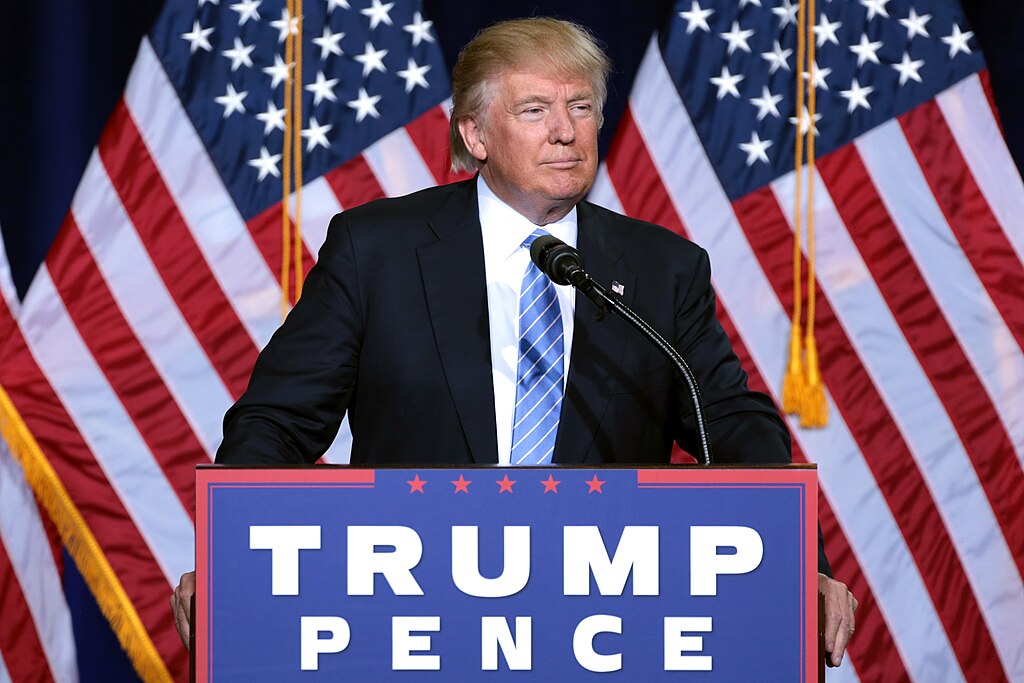
In a candid discussion during an appearance on the PBD Podcast on October 17, 2024, former President Donald Trump made controversial comments about the Ukraine conflict. Trump directly blamed Ukrainian President Volodymyr Zelensky for allowing the war to happen, stating that Zelensky "should never have let that war start." Trump's remarks have reignited debate over international relations, conflict responsibility, and the U.S. role in foreign policy.
Trump’s Key Statements on the Ukraine Conflict
Trump’s view on the Russia-Ukraine war caught many by surprise. He shifted part of the responsibility from Russian aggression to Ukraine’s leadership, specifically questioning Zelensky's actions before the conflict began. Trump’s stance suggests that a lack of diplomatic maneuvering on Ukraine’s part contributed to the war’s initiation.
“Zelensky is a great salesman,” Trump remarked, accusing the Ukrainian leader of lobbying for U.S. financial support but failing to prevent the war in the first place. The former president also called the conflict a “loser,” expressing doubt about the strategic and economic merits of the U.S. continuing to aid Ukraine.
While his comments appear critical of Zelensky’s leadership, Trump also mentioned that he had a "very good relationship" with the Ukrainian president. This statement leaves room for interpretation—some see it as strategic advice in hindsight rather than personal animosity.
U.S. Foreign Policy and Economic Implications
Trump’s remarks extend beyond Zelensky, critiquing the Biden administration’s continued financial aid to Ukraine, which he claims is unsustainable. Trump argued that ongoing support is detrimental to the U.S. economy, casting doubt on whether the American public and its leaders should continue funding the war effort. He noted that the conflict has led to immense financial strain, with the U.S. being dragged into a “losing” situation.
This economic angle reflects Trump’s long-standing position that the U.S. should avoid prolonged foreign entanglements and instead prioritize domestic concerns.
Public Reaction and Policy Debate
Unsurprisingly, Trump’s comments stirred controversy. Critics argue that his assessment oversimplifies the complexities of international conflict. Shifting blame toward Zelensky for Russia’s invasion overlooks Russia's aggression and Ukraine's right to defend its sovereignty. Supporters of Ukraine, both in the U.S. and internationally, see the country’s defense as a necessary stand against authoritarian expansion.
Despite this, Trump's comments resonate with a segment of the U.S. public frustrated by seemingly endless foreign wars and the associated economic costs. Many Americans question the level of U.S. involvement in Ukraine, especially given the mounting financial aid packages.
Earlier this year, Zelensky himself had spoken against any U.S. accommodation of Russia, emphasizing that Ukraine was defending itself against an unprovoked invasion. He dismissed any suggestions that the war could have been avoided if Ukraine had acted differently.
Impact on U.S. Foreign Policy and Future Outlook
Trump’s remarks add to the ongoing debate in the U.S. regarding its role in global conflicts. With the 2024 presidential election looming, Trump’s stance could influence public opinion, particularly among voters who are wary of continued military involvement abroad. His call for a more isolationist approach reflects a broader sentiment within parts of the American political spectrum, but it also risks alienating those who support strong international alliances and military partnerships.
As the war in Ukraine drags on, Trump's comments will undoubtedly continue to fuel the discussion over how the U.S. should engage in global conflicts moving forward.







