


 Japan's Private Sector Growth Slows in March Amid Rising Costs and Middle East Uncertainty
  Federal Reserve Balance Sheet Reduction: Brookings Research Outlines Possible Path Forward
  ECB Eyes Rate Hike Amid Iran Conflict-Driven Energy Price Surge
  Bank of Japan Officials Signal Continued Interest Rate Hikes Amid Inflation Concerns
  Australia-EU Free Trade Deal Signed After Years of Negotiations
  Suspicious Oil Market Trades Precede Trump's Iran Peace Post by 15 Minutes
  Iran-Israel Missile Strikes Continue Amid Mixed Signals on U.S.-Iran Diplomacy
  Gold Prices Climb as Middle East Ceasefire Talks Stir Market Optimism
  Bank of Japan Eyes April Rate Hike Despite Inflation Dip, ING Says
  Trump Tariffs Show Minimal Economic Impact but Boost Federal Revenue, Study Finds
  UK Consumer Confidence Weakens Amid Middle East Conflict and Rising Living Costs
  Japan Eyes Oil Futures Intervention to Stabilize Yen Amid Middle East Crisis
  Asian Currencies Stay Muted as Dollar Holds Firm Amid Iran Uncertainty
  U.S. Stock Futures Steady as Iran Reviews U.S. Ceasefire Proposal
  Asian Currencies Weaken as Dollar Rebounds Amid Middle East Uncertainty and Japan Inflation Data
  Oil Prices Rebound as Iran Denies U.S. Talks Amid Gulf War Supply Fears
  Middle East War Rattles Global Markets as Oil Tops $100 and Dollar Surges


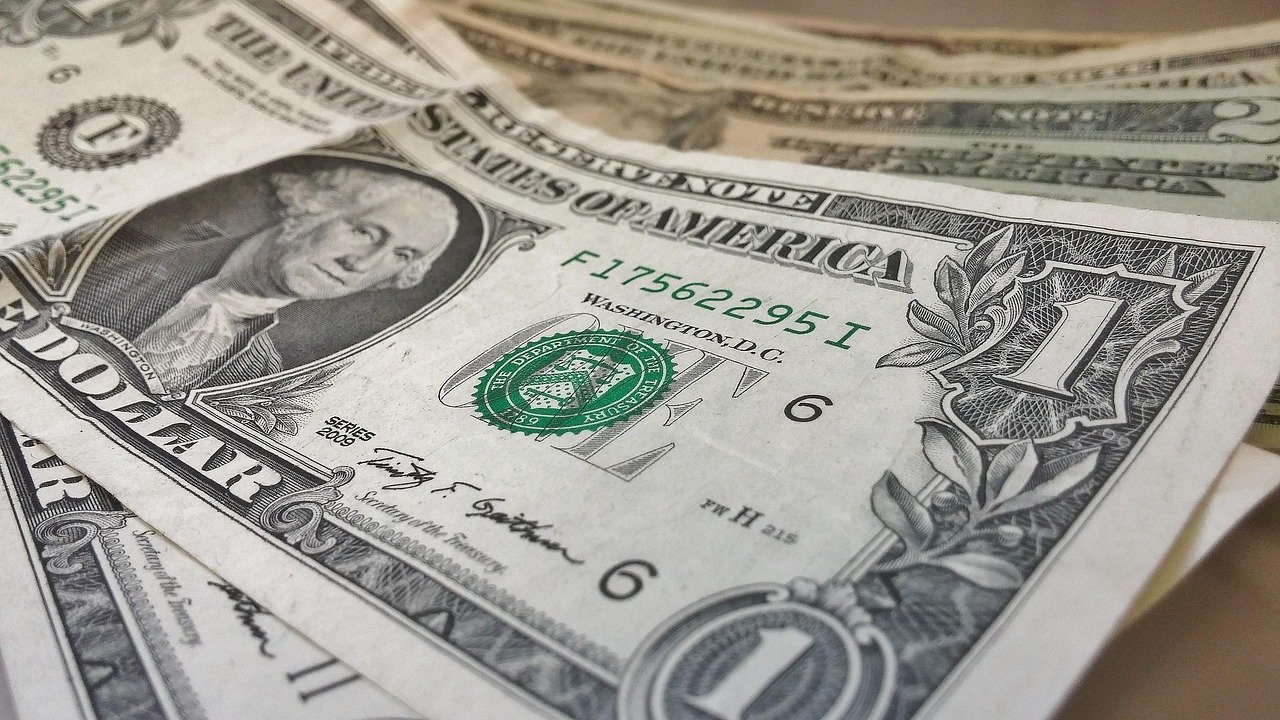
The U.S. dollar traded sideways on Tuesday after a week-long decline, pressured by cautious signals from the Federal Reserve and rising concerns over the growing U.S. fiscal deficit. Market focus has shifted to a key vote in Washington on President Donald Trump’s sweeping tax cuts, which could significantly increase the national debt.
The greenback fell broadly on Monday following Moody’s unexpected downgrade of the U.S. credit rating, citing concerns over the $36.2 trillion debt burden. Trump is set to join the congressional debate, with analysts estimating his proposed tax cuts could add $3 trillion to $5 trillion to the deficit.
Atlanta Fed President Raphael Bostic said Monday the central bank may only lower interest rates by 25 basis points this year due to inflation pressures from higher import tariffs. His remarks added to uncertainty over the Fed’s next move.
The dollar index edged up 0.1% after dropping 0.6% in the prior session, reflecting a tentative recovery. Against the yen, the dollar rose to 144.99 from Monday’s 144.66 low, its weakest level since early May. The euro slipped 0.1% to $1.1234, while the British pound traded at $1.3354, down 0.1%.
The Australian dollar held firm at $0.6449 after a 0.8% surge on Monday, as traders awaited a widely expected 25 basis point rate cut from the Reserve Bank of Australia later Tuesday.
Weighing on U.S. assets are rising trade tensions, fiscal instability, and eroding confidence in the country’s economic leadership. The dollar index has dropped 10.6% since January, marking one of the steepest three-month declines in recent years, underlining broader investor unease over U.S. economic direction.













