


 Gold Prices Surge on U.S.-Iran Ceasefire Reports
  Time to buy local: war fuel price shocks reveal the folly of a long food supply chain
  Oil Prices Plunge Over 6% as Middle East Ceasefire Hopes Ease Supply Fears
  Asian Stocks Gain Amid Iran Conflict Uncertainty
  U.S. Oil Prices Slide as Middle East Ceasefire Talks Spark Market Optimism
  Japan's Private Sector Growth Slows in March Amid Rising Costs and Middle East Uncertainty
  Iran-Israel Missile Strikes Continue Amid Mixed Signals on U.S.-Iran Diplomacy
  Bank of Japan Officials Signal Continued Interest Rate Hikes Amid Inflation Concerns
  ECB Eyes Rate Hike Amid Iran Conflict-Driven Energy Price Surge
  Currency Markets Show Caution Amid U.S.-Iran Negotiations
  U.S. Stock Futures Steady as Iran Reviews U.S. Ceasefire Proposal
  UK Consumer Confidence Weakens Amid Middle East Conflict and Rising Living Costs
  Gold is meant to be a ‘safe haven’ in uncertain times. Why is it crashing amid a war?
  Japan Eyes Oil Futures Intervention to Stabilize Yen Amid Middle East Crisis
  Bank of Japan Eyes April Rate Hike Despite Inflation Dip, ING Says
  Oil Prices Climb as Iran Reviews U.S. Peace Proposal Amid Middle East Tensions


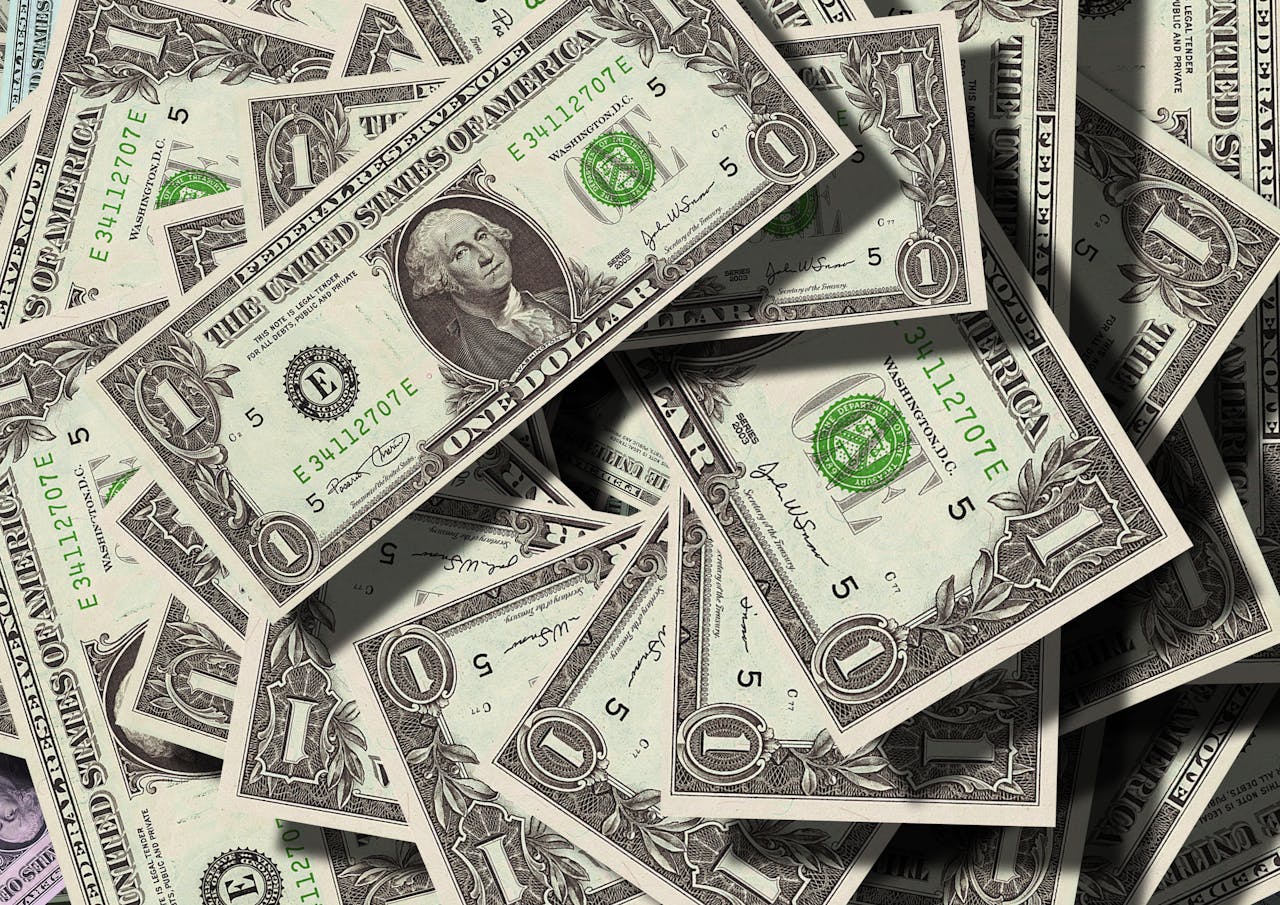
The U.S. dollar extended its decline on Tuesday as disappointing manufacturing data intensified expectations that the Federal Reserve will cut interest rates at its upcoming policy meeting. The U.S. dollar index fell to 99.408 at the start of Asian trading, retreating for a seventh straight session and touching a two-week low as global stocks and bonds weakened.
Fresh data from the Institute for Supply Management showed U.S. manufacturing contracted for the ninth consecutive month in November, with the PMI slipping to 48.2 from 48.7. New orders and employment indicators also softened, while input prices rose amid ongoing pressure from import tariffs. According to Brian Martin, head of G3 economics at ANZ, the data underscores slowing economic demand. He noted that the Fed may need not only to cut rates in December but to continue easing next year, projecting an additional 50 basis points of reductions in 2026.
Market sentiment reflects those expectations. Fed funds futures now signal an 88% probability of a 25-basis-point rate cut on December 10, up sharply from 63% a month earlier, based on CME Group’s FedWatch tool. Meanwhile, the 10-year U.S. Treasury yield edged higher to 4.086% following Monday’s global bond selloff.
In currency markets, the dollar traded steady at 155.51 yen after Bank of Japan Governor Kazuo Ueda suggested the central bank may weigh a rate hike at its next meeting, pushing Japan’s two-year yields above 1% for the first time since 2008. The euro held firm at $1.1610 as diplomatic efforts to end the war in Ukraine gained momentum, while sterling hovered near a one-month high at $1.3216 following the resignation of Britain’s fiscal watchdog chief after an accidental budget leak. The Australian dollar traded at $0.6544 and the New Zealand dollar at $0.5727, both little changed in early Asian trading.







