


 U.S. Probes Apex Logistics Over Nvidia AI Chip Shipments to China
  PayPal Shares Sink as $50 Billion Takeover Bid Collapses
  HP Stock Drops 9% Despite Q3 Earnings Beat and Raised 2026 Outlook
  SK Hynix Shares Fall as Workers Reject Wage Deal
  Nvidia Pauses AI Cloud Financing Deals Amid Antitrust Concerns
  BofA Names ASML Top Semiconductor Equipment Pick on Growth, Valuation
  U.S. Disrupts China-Linked Hacking Campaign Targeting Government Agencies
  Meta Agrees to $18 Billion Settlement, Tightens Teen Social Media Rules
  Samsung Shares Tumble 8% as $79 Billion Return Plan Disappoints
  New Zealand Labour Backs Social Media Ban for Under-16s
  OpenAI Data Center Chief Chris Malone Exits Ahead of Planned 2027 Listing
  Google Expands Gemini Enterprise With AI Tools for Legal Sector
  Luxshare Shares Rise as First-Half Profit Jumps 18%
  Nvidia Revenue Soars 106% as AI Demand Hits ‘Inflection Point’
  Countries Tighten Social Media Bans for Children


 Add as a preferred source on Google
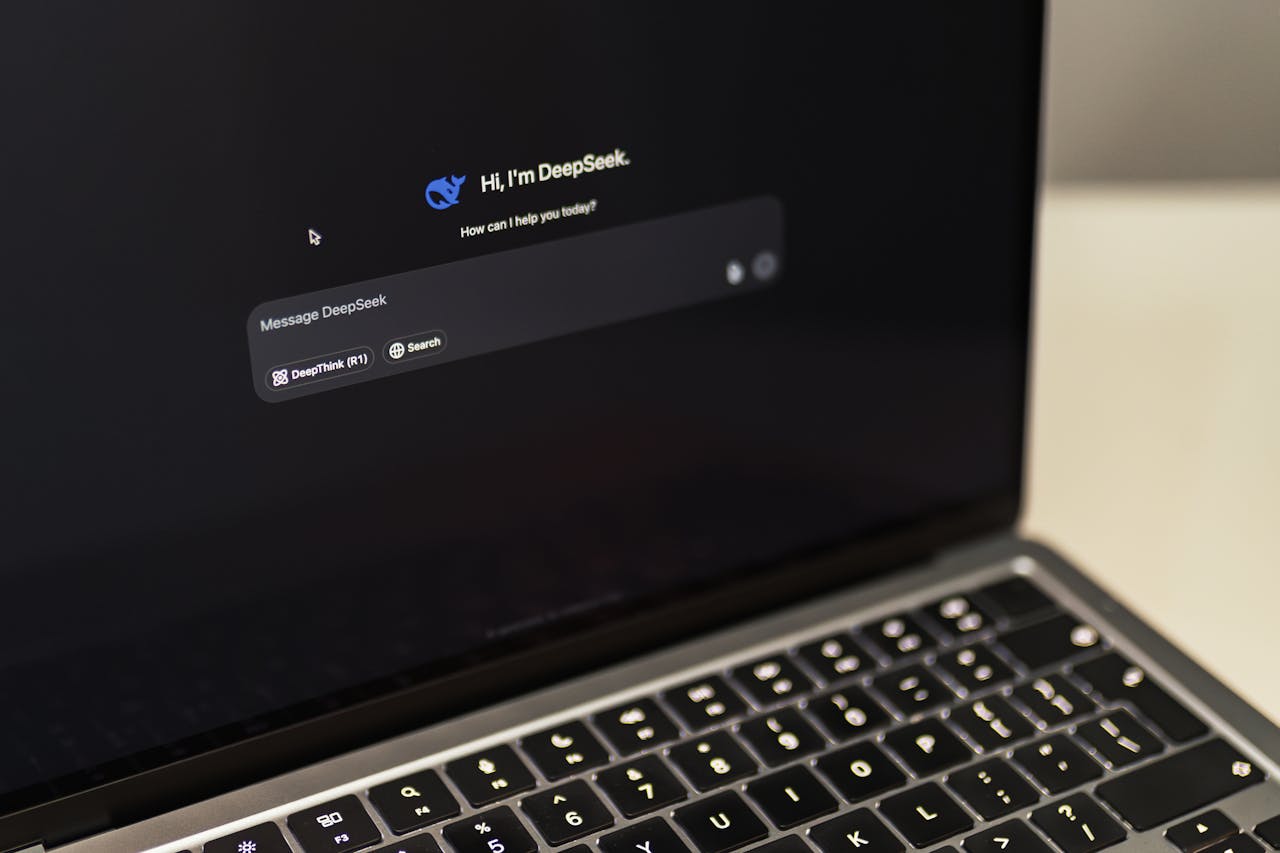
DeepSeek’s artificial intelligence (AI) models are giving Chinese chipmakers like Huawei a competitive edge against U.S. processors, particularly in AI inference tasks. Unlike Nvidia’s powerful chips designed for training AI models, DeepSeek optimizes computational efficiency, making it more compatible with Chinese-made AI chips.
Huawei, along with chipmakers Hygon, EnFlame, Tsingmicro, and Moore Threads, has announced support for DeepSeek models, though details remain scarce. Analysts suggest that DeepSeek’s open-source nature and affordability could drive AI adoption in China, helping firms navigate U.S. export restrictions on advanced chips.
Inference, which involves AI models generating conclusions, is less reliant on raw processing power compared to training. Huawei’s Ascend 910B chip, already favored by companies like ByteDance for inference tasks, further strengthens this shift. Industry experts note that while Nvidia dominates AI training, inference workloads provide Chinese chipmakers with more opportunities.
Despite DeepSeek’s advantages, Nvidia remains a key player. The company still supplies less powerful training chips to China, which can be used for inference. Additionally, Nvidia’s CUDA platform, essential for AI software development, maintains a significant lead. While Huawei has introduced a CUDA alternative called Compute Architecture for Neural Networks (CANN), convincing developers to switch remains challenging.
As China integrates DeepSeek into various industries, the country’s AI chipmakers gain momentum in the domestic market. However, Nvidia’s influence persists due to its superior software ecosystem and hardware efficiency.







