


 UN Warns of Looming Human Rights Catastrophe in Sudan’s Al-Obeid
  HSBC Australia Faces A$35M Penalty Over Scam Protection Failures
  Frank Stronach Found Guilty of Sexual Assault and Indecent Assault in Ontario Court
  DOJ Clears Paramount Skydance-Warner Bros. Discovery Merger Without Conditions
  JD Vance Says Britain Needs Major Political Change as Leadership Transition Looms
  US Ambassador Prioritizes Cook Islands Critical Minerals, Warns of China’s Pacific Influence
  Iran Begins Oil Sale Talks With Japan Under U.S. Sanctions Waiver Amid Shipping Risks
  DOJ Seeks Dismissal of Gautam Adani Bribery Case, Citing Foreign Scope
  Texas Man Charged After Fatal Tesla Full Self-Driving Crash in Katy
  Israel Cabinet Rejects Supreme Court Ruling, Sparking Constitutional Crisis Fears
  California Drivers Sue BP, Walmart, 7-Eleven Over Alleged AI Gas Price Fixing
  ICC Judges Sue Trump Administration Over Sanctions, Calling Measures Unlawful
  US Supreme Court Strikes Down Hawaii Gun Carry Law on Private Property
  Trump Administration Proposes Repeal of 702 Federal Regulations in Major Deregulation Push
  Sara Duterte Impeachment Trial Opens, Putting 2028 Philippine Election in Focus
  Bayer Wins Major U.S. Supreme Court Roundup Lawsuit, Shares Surge
  Apple Challenges India Antitrust Probe, Says CCI Copied Rivals’ Claims in App Store Case


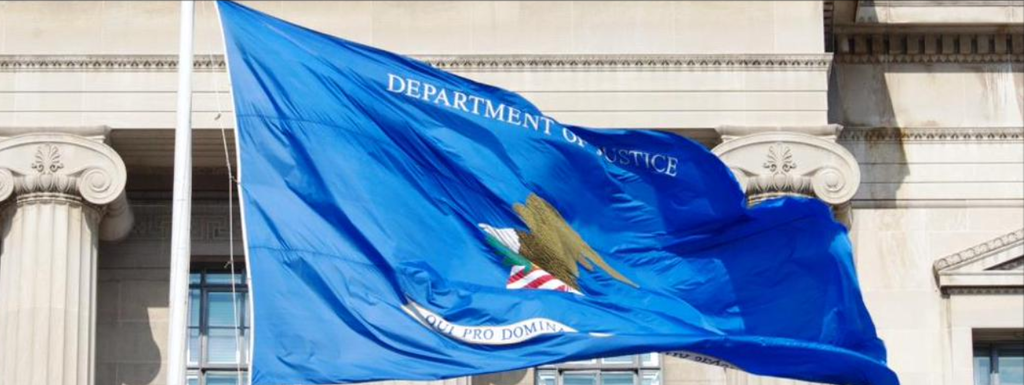
The U.S. Justice Department has filed a lawsuit against the state of Virginia, alleging that state officials failed to comply with federal requirements to provide complete voter registration lists. According to a statement released by the Department of Justice, the lawsuit was announced on Friday and centers on Virginia’s alleged noncompliance with the National Voter Registration Act (NVRA), a federal law designed to ensure transparency and fairness in U.S. elections.
The DOJ claims that Virginia did not fully produce voter registration records as required under federal law, despite repeated requests. These voter registration lists are considered critical for maintaining election integrity, enabling oversight, and ensuring that voter rolls are accurate and accessible to the public and relevant organizations. Federal officials argue that failure to provide complete records undermines transparency and prevents proper evaluation of voter roll maintenance practices.
Under the NVRA, states are obligated to make voter registration data available for public inspection, with limited exceptions to protect sensitive personal information. The Justice Department alleges that Virginia withheld portions of these records, violating the law and limiting accountability. The lawsuit seeks to compel the state to release the full voter registration lists in accordance with federal standards.
This legal action comes amid heightened national attention on election administration, voter registration accuracy, and election security. In recent years, voter roll management has become a contentious political issue, with debates over access, privacy, and the prevention of voter fraud. The DOJ emphasized that the lawsuit is not about influencing election outcomes but about enforcing compliance with existing federal laws that apply to all states equally.
Virginia officials have not yet provided a detailed public response to the lawsuit, but the case is expected to draw significant attention from election officials, voting rights advocates, and political observers nationwide. Legal experts note that the outcome could set an important precedent for how states handle voter registration transparency going forward.
As the case moves through the courts, it may have broader implications for election oversight and the balance between voter data transparency and privacy. The Justice Department has reiterated its commitment to enforcing federal voting laws to protect the integrity and accessibility of the U.S. electoral system.







