


 Trump Reportedly Approves Plan to Remove FDA Commissioner Marty Makary Amid Growing Controversies
  Ukraine-Russia Ceasefire Confirmed as Prisoner Swap Deal Advances
  Vietnam Plans AI-Driven Propaganda Push With Influencers and Podcasts
  Australia’s Wealthy Donors Shift Support to One Nation Amid Conservative Party Decline
  Judge Rules DOGE Humanities Grant Cuts Unconstitutional
  Trump Says U.S. Navy Destroyers Passed Strait of Hormuz Under Iranian Fire
  Lula and Trump Talks Signal New Phase in Brazil-US Relations
  Trump Announces Russia-Ukraine Ceasefire for May 9-11 Amid Ongoing Peace Talks
  Russia Downs Over 50 Drones Near Moscow Ahead of Victory Day Ceasefire
  Trump Administration Releases New UFO Files and Apollo Mission Records
  UN Experts Condemn Trump’s Cuba Fuel Blockade Amid Deepening Energy Crisis
  Judge Delays SEC Settlement With Elon Musk Over Twitter Stock Disclosure Case
  Rubio Presses Italy Over Iran Support as Tensions Test U.S.-Italy Alliance
  TikTok Nears $400 Million Settlement With Trump Administration Over Child Privacy Lawsuit
  Trump Invites Top CEOs Including Nvidia, Apple, Boeing to China Summit With Xi Jinping
  Iran Accuses U.S. of Violating Strait of Hormuz Ceasefire with Ship and Coastal Attacks
  Israel’s Secret Iraq Base Allegedly Supported Iran Air Campaign, WSJ Reports


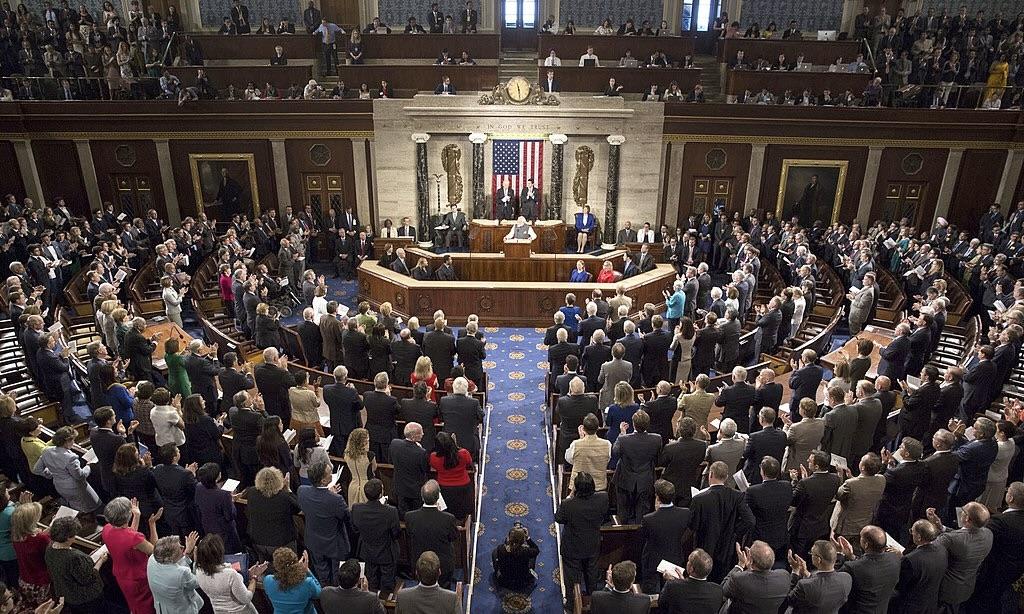
The U.S. Congress has approved an $895 billion defense bill that includes a contentious provision restricting access to gender-affirming care for the children of service members. The measure, which forms part of the annual National Defense Authorization Act (NDAA), has sparked intense debate both in Washington and among advocacy groups nationwide.
The bill, which passed with bipartisan support, allocates funding for military operations, defense programs, and personnel. However, the restriction on gender-affirming care has become a focal point, with critics arguing it undermines the rights of military families and places undue burdens on LGBTQ+ individuals. Supporters maintain the measure is necessary to address concerns over medical policies involving minors.
“This legislation secures vital funding for our national defense while addressing key policy issues,” said House Armed Services Committee Chair Mike Rogers. “Taxpayer dollars must not fund experimental treatments on children.”
Opponents of the provision argue that gender-affirming care, which can include counseling, hormone therapy, and other treatments, is supported by medical experts and essential for the well-being of transgender youth. The American Medical Association and other leading health organizations have repeatedly stated that such care is critical for mental health outcomes in transgender individuals.
Critics Raise Concerns Over Impact on Military Families
The inclusion of the restriction has prompted backlash from advocacy groups, who argue it unfairly targets children of service members and may discourage military families from seeking necessary healthcare. Critics also question whether the measure could impact recruitment and retention, particularly as the military works to attract diverse personnel.
“This provision sends a chilling message to military families with transgender children,” said LGBTQ+ advocacy leader Sarah Adams. “It undermines trust in the system that is supposed to support those who serve our country.”
The defense bill’s overall funding reflects the nation’s growing military priorities, including investments in modernizing equipment, supporting overseas operations, and strengthening deterrence against geopolitical adversaries. Despite bipartisan agreement on broader defense spending, the gender-affirming care policy has become a political lightning rod, drawing attention to the intersection of social issues and military policy.
Public Reaction Fuels Online Debate
News of the defense bill’s passage and its controversial provision has ignited passionate discussions on social media, with users weighing in from both sides of the political spectrum.
User @PatriotDefenseUSA tweeted, “Congress did the right thing. Taxpayer dollars should never fund unproven medical procedures on kids.”
Conversely, @EqualityNow2024 argued, “This is a disgrace. Service members’ children deserve the same access to healthcare as everyone else.”
Supporter @SecureMilitaryRights wrote, “Our military needs focus, not political distractions. This bill prioritizes defense and fiscal responsibility.”
Meanwhile, @ProtectTransYouth commented, “This will hurt military families and transgender children. Lawmakers should listen to the experts on this.”
User @VeteransForJustice posted, “Targeting military families with transgender kids is unacceptable. These families sacrifice so much already.”
Lastly, @CommonSensePolicy tweeted, “Congress got this right. The focus should remain on military readiness, not controversial social policies.”
Path Forward and Challenges
The bill now heads to the White House, where President Joe Biden is expected to sign it into law, despite concerns over specific provisions. While the legislation secures critical defense funding, the debate over its policy implications is far from over.
Advocates have already signaled their intent to challenge the restriction on gender-affirming care in court, setting up what could be a lengthy legal battle. Military families impacted by the provision are also expected to seek support from advocacy groups and health organizations.
As the nation grapples with balancing military needs and social policy, the inclusion of such measures in defense legislation highlights the growing political tensions surrounding healthcare for transgender individuals.







