


 TSMC Japan's Second Fab to Produce 3nm Chips by 2028
  OpenAI Executive Shake-Up Ahead of Anticipated 2026 IPO
  Russell 1000 Companies Hit $2.2T Cash Record While Aggressively Reinvesting in Growth
  McDonald's and Restaurant Brands International Face Headwinds Amid Iran Conflict and Rising Costs
  Annie Altman Amends Sexual Abuse Lawsuit Against OpenAI CEO Sam Altman
  SpaceX Eyes Historic IPO at $1.75 Trillion Valuation
  Luxury Car Sales in the Middle East Take a Hit Amid Iran War
  Tesla Q1 2026 Deliveries Miss Estimates as AI Strategy Takes Center Stage
  UAE's Largest Natural Gas Facility Suspended After Attack-Triggered Fire
  Microsoft's $10 Billion Japan Investment: AI Infrastructure and Data Sovereignty Push
  Star Entertainment Secures $390M Refinancing Deal to Stabilize Operations
  Fonterra Admits Anchor Butter "Grass-Fed" Label Misled Consumers After Greenpeace Lawsuit
  KPMG UK Cuts 440 Audit Jobs Amid Low Attrition and Cooling Professional Services Demand
  Private Credit Under Pressure: Is a Slow-Motion Crisis Unfolding?
  Microsoft Eyes $7B Texas Energy Deal to Power AI Data Centers
  Europe's Aviation Sector on Track to Meet 2025 Green Fuel Mandate
  First Western Ship Transits Strait of Hormuz Since Iran War Began


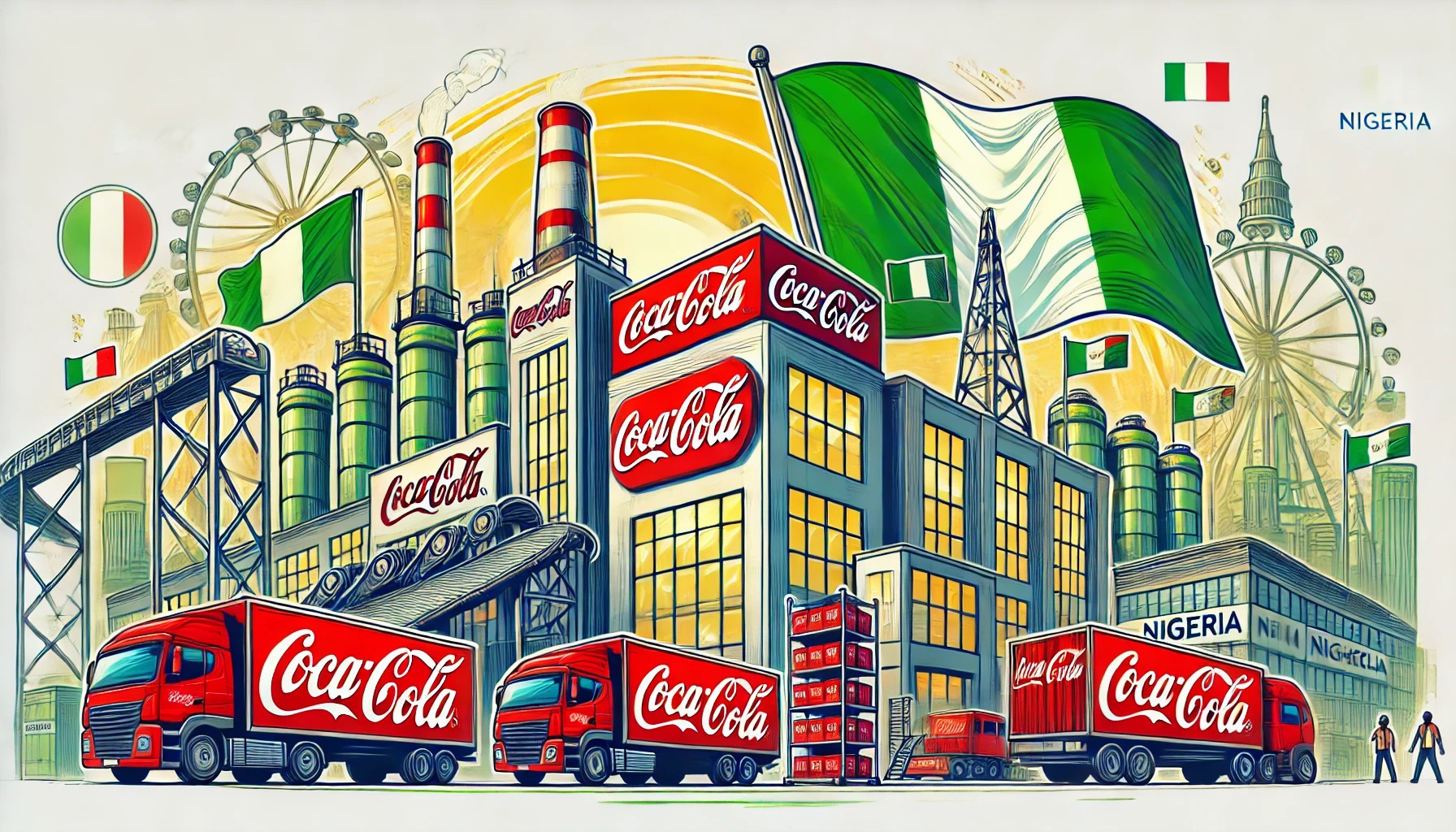
Coca-Cola will invest $1 billion in its Nigerian operations over the next five years to enhance manufacturing and job creation, President Bola Tinubu revealed after discussions with top executives of the soft drink giant.
Coca-Cola Set to Invest $1 Billion in Nigeria, Tinubu Reveals
President Bola Tinubu and senior officials of Coca-Cola met on Thursday, and the president of the country said that the soft drink manufacturer intends to invest $1 billion in its operations in Nigeria over the next five years.
According to Reuters, Tinubu met with John Murphy, who is the president and chief financial officer of Coca-Cola, Zoran Bogdanovic, who is the CEO of Coca-Cola HBC, one of the many bottlers of Coca-Cola throughout the world, and other executives from the corporation in his efforts to entice investment into the economy.
Coca-Cola's $1.5 Billion Investment in Nigeria Since 2013
The Nigerian president's office released a statement stating that Bogdanovic informed Tinubu that Coca-Cola had spent $1.5 billion in Nigeria since 2013 on training and development, supply chain improvements, and production capacity expansion.
"I am very pleased to announce that, with a predictable and enabling environment in place, we plan to invest an additional $1 billion over the next five years," it was reported that Bogdanovic said.
Multinational Firms Like Procter & Gamble, Bayer Exit Nigerian Market
The announcement of investment follows a slew of corporate departures or distribution deals struck by multinationals during Tinubu's administration, including Procter & Gamble, GSK Plc, and Bayer AG, as reported by US News.
The government of Tinubu, which has been in power since May of last year, has stated its intention to foster an environment welcoming to enterprises.
"We are building a financial system where you can invest, re-invest, and repatriate all your dividends. I have a firm belief in that," he declared.
Nigeria's Market Potential Remains Strong Despite Investor Concerns
Many international businesses regard Nigeria as a possible market due to the country's large population (over 200 million). However, challenges with the currency, bureaucracy, and inconsistent policies deter some investors.
Coca-Cola HBC, a bottler, predicted an increase in operational profit for the year in April. The company attributed the uptick in sales to strong demand for its coffee, energy, and carbonated beverage products, which allowed it to maintain pricing increases despite rising expenses and currency devaluations in nations such as Nigeria and Egypt.







