


 How to create a thriving forest, not box-checking ‘tree cover’
  China vs. NASA: The New Moon Race and What's at Stake by 2030
  Trump Signs Executive Order to Boost AI Research in Childhood Cancer
  Blue Origin’s New Glenn Achieves Breakthrough Success With First NASA Mission
  Blue Origin New Glenn Rocket Explodes During Launch Pad Test, Delaying Space Ambitions
  Swimming in the sweet spot: how marine animals save energy on long journeys
  LA fires: Long-term exposure to wildfire smoke is poorly understood − and a growing risk
  Unsustainable – or manageable? We don’t yet know how data centres will impact Australia’s environment
  Lake beds are rich environmental records — studying them reveals much about a place’s history
  Rice feeds billions of people – but its role in fueling climate change is growing
  NASA's Artemis II Crew Arrives in Florida for Historic Moon Mission
  Eli Lilly’s Inluriyo Gains FDA Approval for Advanced Breast Cancer Treatment
  SpaceX’s Starship Completes 11th Test Flight, Paving Way for Moon and Mars Missions
  SpaceX Prioritizes Moon Mission Before Mars as Starship Development Accelerates


 Add as a preferred source on Google
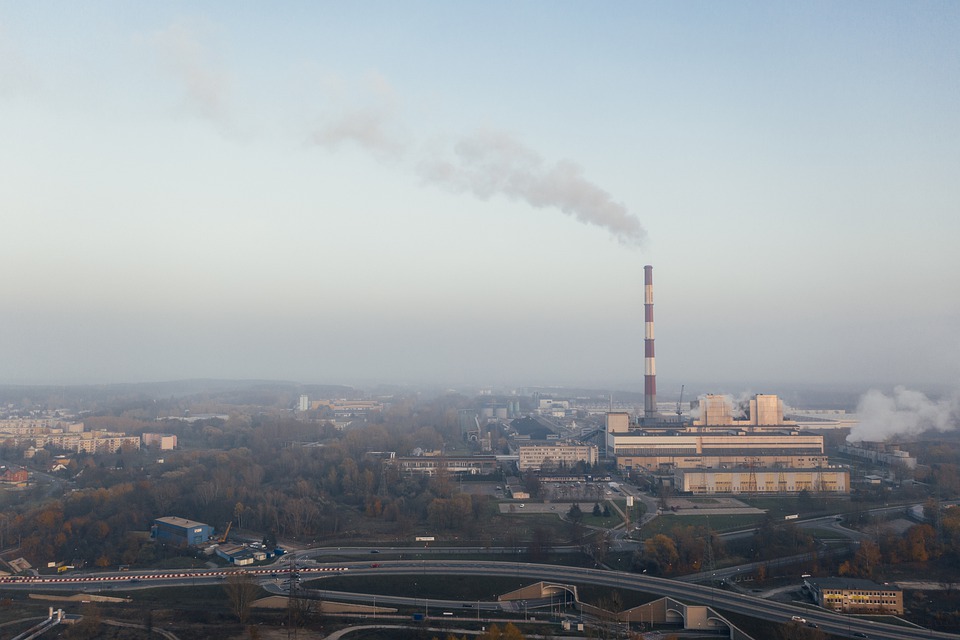
Even as the world still struggles with combating the COVID-19 pandemic, there is another challenge presented by climate change, which is becoming increasingly evident in recent years. Unfortunately, the situation appears to worsen over time as scientists have revealed that carbon dioxide levels have been rising at an accelerated rate.
Express reports a study from the University of Bern compared the composition of Earth’s atmosphere from 330,000 and 450,000 years ago when a similar situation happened as levels of carbon dioxide rose during those times. The researchers found that the sudden increase in carbon dioxide in the atmosphere was because of melting glaciers. When CO2 levels rose suddenly, there were changes happening in the Atlantic Ocean’s circulation at the same time.
Although it remains a mystery as to how it impacts CO2 levels, the researchers know that the accelerated carbon dioxide levels today were human activity-driven, and the CO2 levels at the time were not rising as fast as today.
“These natural jumps in the CO2 concentration in the atmosphere happened almost ten times slower than the human-driven increase over the last decade,” said the study’s lead author Christoph Nehrbass-Ahles.
The increasingly worsening effects of climate change have already taken its toll on polar regions and glaciers. Experts revealed that global temperatures have gone up to 0.15 to 0.20 degrees Celsius per decade. Scientists believe that Greenland may be the worst-hit country from this worldwide problem. Should the thick layers of ice in Greenland melt, sea levels would rise by a significant amount, which may result in the submerging of certain coastlines.
Previously, MIT associate professor Asegun Henry claimed that combatting climate change should have happened years ago. Professor Henry explained that energy consumption paired with greenhouse gases contributed to the rising global temperatures.
Professor Henry then detailed how scientists could be able to do something about the rising temperatures, through creating a type of energy storage system that will not lose any heat when creating energy. “The first challenge is developing thermal storage systems for the power grid, electric vehicles, and buildings,” said the professor, who also joined other scientists in writing a paper describing their goals for battling climate change.







