


 Vietnam Plans AI-Driven Propaganda Push With Influencers and Podcasts
  Trump Inspects Lincoln Memorial Reflecting Pool Renovation in Washington
  US Revises UN Resolution on Iran Strait of Hormuz Attacks Amid Russia-China Opposition
  Russia Downs Over 50 Drones Near Moscow Ahead of Victory Day Ceasefire
  Trump Invites Top CEOs Including Nvidia, Apple, Boeing to China Summit With Xi Jinping
  Trump Announces Russia-Ukraine Ceasefire for May 9-11 Amid Ongoing Peace Talks
  US Launches Retaliatory Strikes on Iran Amid Rising Strait of Hormuz Tensions
  Trump Reportedly Approves Plan to Remove FDA Commissioner Marty Makary Amid Growing Controversies
  Trump-Xi Beijing Summit to Focus on Trade, Taiwan, and Boeing Deal
  Australia’s Wealthy Donors Shift Support to One Nation Amid Conservative Party Decline
  Trump Says U.S. Navy Destroyers Passed Strait of Hormuz Under Iranian Fire
  Judge Delays SEC Settlement With Elon Musk Over Twitter Stock Disclosure Case
  US-Iran Ceasefire Under Pressure as Fresh Strait of Hormuz Clashes Shake Oil Markets
  Iran Accuses U.S. of Violating Strait of Hormuz Ceasefire with Ship and Coastal Attacks
  Mexico President Claudia Sheinbaum Reconsiders Early School Closure Plan Ahead of 2026 World Cup
  Pope Leo Calls for Peace as Vatican Seeks Better Ties With U.S.
  China-Made Fireworks Power U.S. Independence Day Celebrations Amid Trade Truce


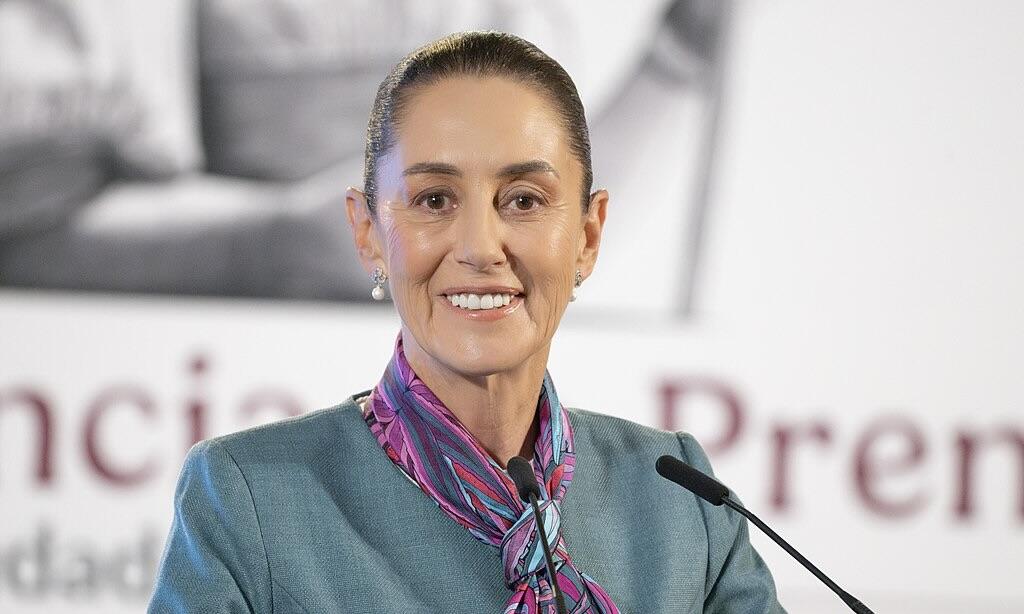
In a recent development, Mexican President Claudia Sheinbaum has firmly rejected claims that she agreed to close Mexico's borders to curb migration into the United States. This assertion came after U.S. President-elect Donald Trump announced that Sheinbaum had consented to halt migrant crossings through Mexico.
Contrasting Statements on Border Policy
Following a conversation between the two leaders, Trump stated that Sheinbaum had agreed to stop migration through Mexico, effectively closing the southern U.S. border. However, Sheinbaum refuted this, emphasizing that Mexico's approach focuses on respecting human rights and assisting migrants before they reach the U.S. border. She reiterated, "Mexico's position is not to close borders but to build bridges between governments and between peoples."
Implications for U.S.-Mexico Relations
Trump's announcement included plans to impose a 25% tariff on Mexican imports to pressure Mexico into reducing illegal immigration and drug smuggling. Sheinbaum's stance suggests potential friction in forthcoming diplomatic engagements. She emphasized collaboration without coercion, stating that Mexico aims to strengthen regional cooperation rather than resort to border closures.
Public Reaction
The contrasting narratives have ignited discussions on social media platforms:
-
@BorderWatcher: "Sheinbaum's refusal to close borders shows a commitment to human rights over political pressure."
-
@TradeAnalyst: "Trump's tariff threats could backfire, harming both economies. Diplomacy is key."
-
@HumanRightsAdvocate: "Building bridges, not walls. Applauding Mexico's humane approach to migration."
-
@PolicyCritic: "Mixed messages from leaders create uncertainty. Clear communication is essential."
-
@GlobalCitizen: "International cooperation should focus on root causes of migration, not punitive measures."
-
@EconomistView: "Tariff wars seldom end well. Hope cooler heads prevail in U.S.-Mexico talks."
Looking Ahead
As the U.S. prepares for a new administration, the dynamics of U.S.-Mexico relations remain in focus. Sheinbaum's commitment to a humanitarian approach to migration and emphasis on cooperation without coercion set the stage for complex negotiations. Observers worldwide are closely monitoring how these differing perspectives will influence policies affecting migration, trade, and bilateral relations.







