


 Supreme Court Asked to Reinstate Mail-Order Access to Abortion Pill Mifepristone
  Gold Prices Steady Ahead of Trump-Xi Meeting as Inflation and Oil Concerns Persist
  Trump DOJ Challenges Colorado’s Large-Capacity Magazine Ban in Second Amendment Lawsuit
  Asia-Pacific Banks Brace for Rising Credit Risks Amid Iran Conflict
  Judge Dismisses Elon Musk’s Fraud Claims Against OpenAI, Trial to Proceed on Remaining Allegations
  Bitcoin Breathes at $80K: Bullish Structure Holds as Risk Aversion Creeps In
  Trump’s Hardline Stance Rattles Markets: BTC/USD Faces Volatility but Technicals Signal Strength
  New Zealand Budget 2026 Focuses on Fiscal Discipline and Infrastructure Investment
  Sinaloa Governor Ruben Rocha Denies U.S. Cartel Allegations, Calls Charges Political
  Oil Prices Slip as Strait of Hormuz Disruptions and U.S. Inventory Data Keep Markets on Edge
  Asian Currencies Steady as Trump-Xi Summit, Inflation Concerns Boost Dollar
  Wall Street Futures Rise Ahead of Trump-Xi Summit as Tech Stocks Lead Market Rally
  Nvidia’s China AI Chip Sales Remain Frozen Despite U.S. Approval
  Asian Stocks Steady as Iran War Concerns Persist Ahead of Trump-Xi Summit


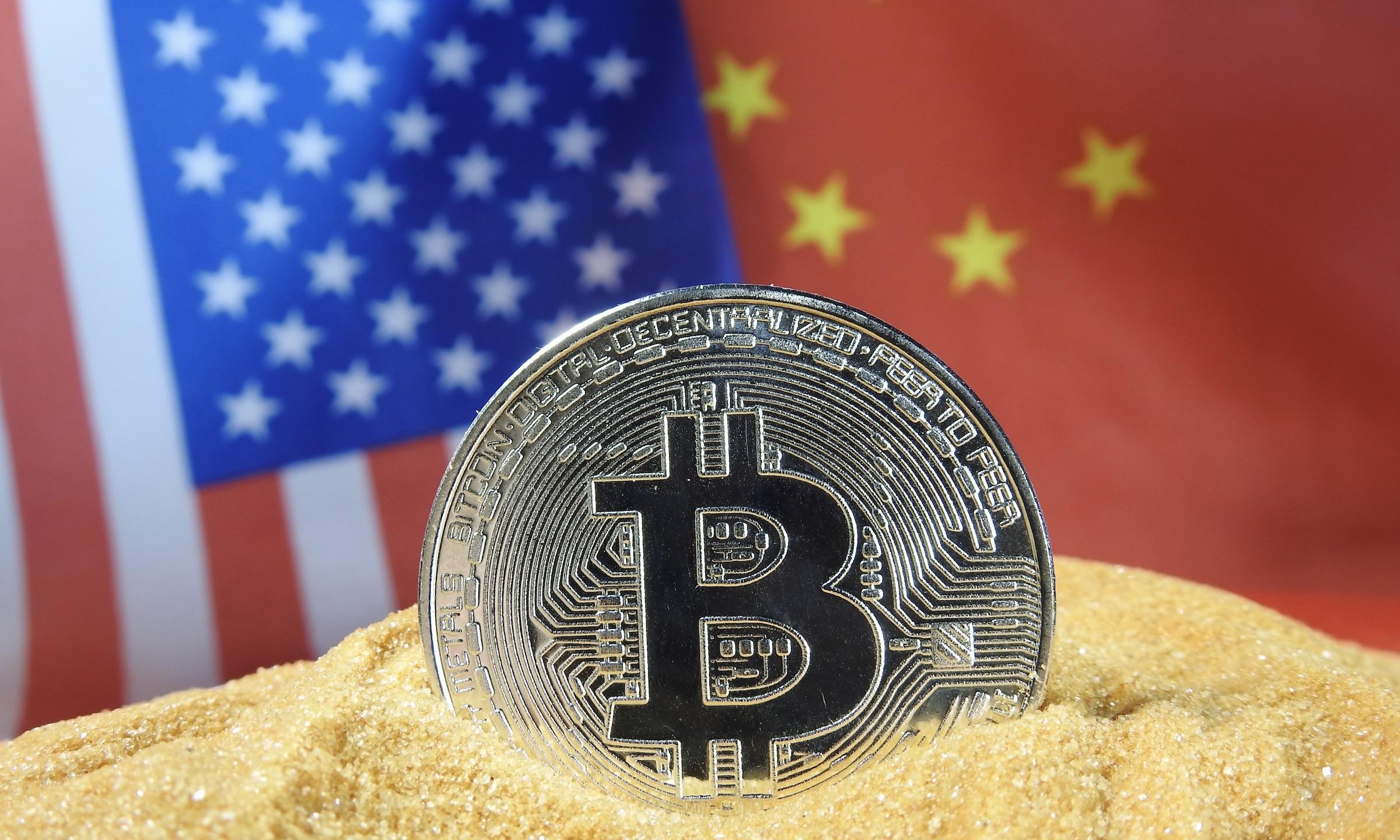
Shanghai No.2 Intermediate People's Court officially recognizes Bitcoin as a distinctive digital asset, highlighting its unmatchable value. This pivotal acknowledgment contrasts the Chinese government's current anti-cryptocurrency stance, signaling potential shifts in the nation's regulatory approach towards digital currencies in the future.
The court's recently released report delves into the advancement of internet technologies, emphasizing Bitcoin's exceptional characteristics. It cites the cryptocurrency's scarcity and property attributes, underscoring its status as a store of value and a medium of exchange.
Despite its decentralized nature, the report also points out Bitcoin's key currency features, including scalability, easy circulation, storage, and payment. This recognition comes when the Chinese government has taken a hostile approach to Bitcoin and other cryptocurrencies.
Earlier this year, China imposed a comprehensive ban on all cryptocurrency activities, including Bitcoin mining. However, local Chinese courts increasingly acknowledge digital assets as legal properties protected by law, countering the government's negative stance.
The recognition of Bitcoin's attributes by a Chinese court is expected to impact China's cryptocurrency landscape profoundly. It paves the way for potential regulation changes, likely leading to a more accepting environment for digital assets.
This recent ruling builds upon an earlier report released by another People's Court in China. The report examined the legality of virtual assets and concluded that digital assets qualify as legal property and enjoy protection under the law.
The growing acceptance of cryptocurrencies globally is further reinforced by this judicial recognition. The court's acknowledgment of Bitcoin as a distinctive digital asset sets an important precedent for future legal considerations surrounding cryptocurrencies.
As the adoption and recognition of Bitcoin continue to expand, it remains to be seen how this groundbreaking ruling will influence the Chinese government's approach to digital assets. For now, with this significant step toward recognition, Bitcoin's future in China appears more promising than ever before.
Photo: Ewan Kennedy/Unsplash







