


 Countries Tighten Social Media Bans for Children
  New Zealand Labour Backs Social Media Ban for Under-16s
  Meta, U.S. States Discuss Settlement in Teen Addiction Trial
  Pinterest Stock Falls as CFO Julia Brau Donnelly Resigns
  BofA Names ASML Top Semiconductor Equipment Pick on Growth, Valuation
  Samsung Shares Tumble 8% as $79 Billion Return Plan Disappoints
  Unitree Shares Plunge 45% After Blockbuster IPO, Raising China Tech Bubble Fears
  Nvidia Eyes Perplexity Investment at $30 Billion Valuation
  Google Changes EU Spam Policy Amid Antitrust Scrutiny
  Alibaba Raises $10.2 Billion to Expand AI Infrastructure
  Luxshare Shares Rise as First-Half Profit Jumps 18%
  HP Stock Drops 9% Despite Q3 Earnings Beat and Raised 2026 Outlook
  Nvidia Options Price in $280 Billion Earnings Swing
  Xiaomi Unveils Xring O3 Chip for Flagship Foldable Phone
  New Zealand Moves to Ban Social Media for Children Under 16


 Add as a preferred source on Google
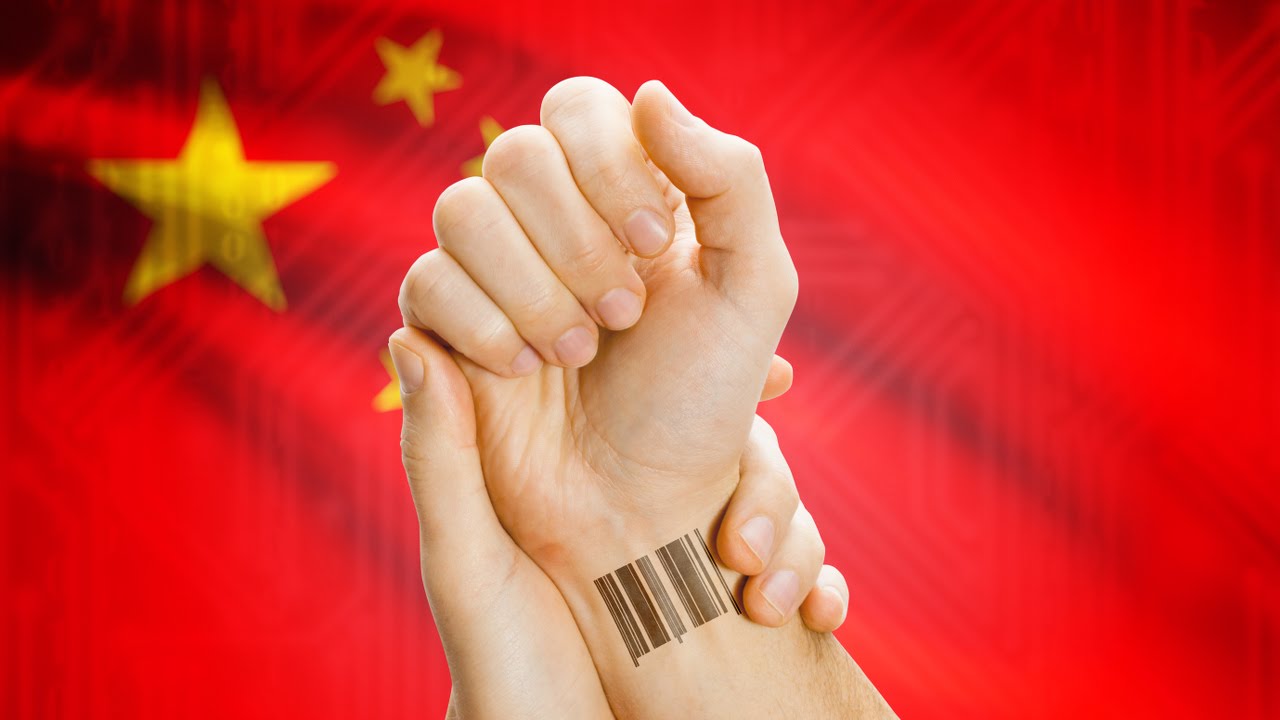
The U.S. houses some of the most impressive technological achievements over the last few decades and its Silicon Valley startup industry is where many of the biggest online giants arose. However, with China succeeding in developing the most powerful supercomputer in the world and without help from the U.S., America could be poised to lose its position as the world’s premiere technological hub.
The supercomputer in question is the “Sunway TaihuLight” and it can reach a whopping 125.4 petaflops at maximum performance, according to the list that Top500 made. To put that in perspective, 1 petaflop is equal to one quadrillion floating point operations per second. Nothing the U.S. has even comes close to that kind of computing power.
To drive the point home that China has become the biggest supercomputing powerhouse in the world, the next most powerful supercomputer on the list is the “Tianhe-2” and at peak, it can only achieve 54.9 petaflops in performance. That is less than half what the “Sunway TaihuLight” can achieve, and the “Tianhe-2” actually uses microprocessors from the U.S. tech company, “Intel.”
As PC World points out, this latest technological marvel by the Chinese is a resounding statement that the world’s emerging top dog no longer requires the assistance of the U.S. for its supercomputing needs. At this rate, the situation might be reversed in the future and America might start relying on China to build effective supercomputers, which would be ironic.
In April 2015, the U.S. banned the export of certain “Intel” microprocessors to China because the government was concerned that the chips are being used to steal U.S. secrets through Chinese hacking activities. Instead of slowing down the Asian giant, it only made them more determined to surpass America. With the emergence of the “Sunway TaihuLight,” it would seem that China’s rise in every industry imaginable is inevitable.







