


 Asian Currencies Stay Muted as Dollar Holds Firm Amid Iran Uncertainty
  Wall Street Slides as Iran War Uncertainty, Oil Surge, and AI Fears Rattle Markets
  Iran-Israel Missile Strikes Continue Amid Mixed Signals on U.S.-Iran Diplomacy
  ECB Eyes Rate Hike Amid Iran Conflict-Driven Energy Price Surge
  U.S. Futures Slide as Iran Denies Nuclear Talks with Washington
  UK Consumer Confidence Weakens Amid Middle East Conflict and Rising Living Costs
  Asian Currencies Weaken as Dollar Rebounds Amid Middle East Uncertainty and Japan Inflation Data
  Japan's Private Sector Growth Slows in March Amid Rising Costs and Middle East Uncertainty
  Bank of Japan Eyes April Rate Hike Despite Inflation Dip, ING Says
  Oil Prices Plunge Over 6% as Middle East Ceasefire Hopes Ease Supply Fears
  Oil Prices Rebound as Iran Denies U.S. Talks Amid Gulf War Supply Fears
  Gold Prices Climb as Middle East Ceasefire Talks Stir Market Optimism
  Federal Reserve Balance Sheet Reduction: Brookings Research Outlines Possible Path Forward
  Australia-EU Free Trade Deal Signed After Years of Negotiations
  Japan Eyes Oil Futures Intervention to Stabilize Yen Amid Middle East Crisis


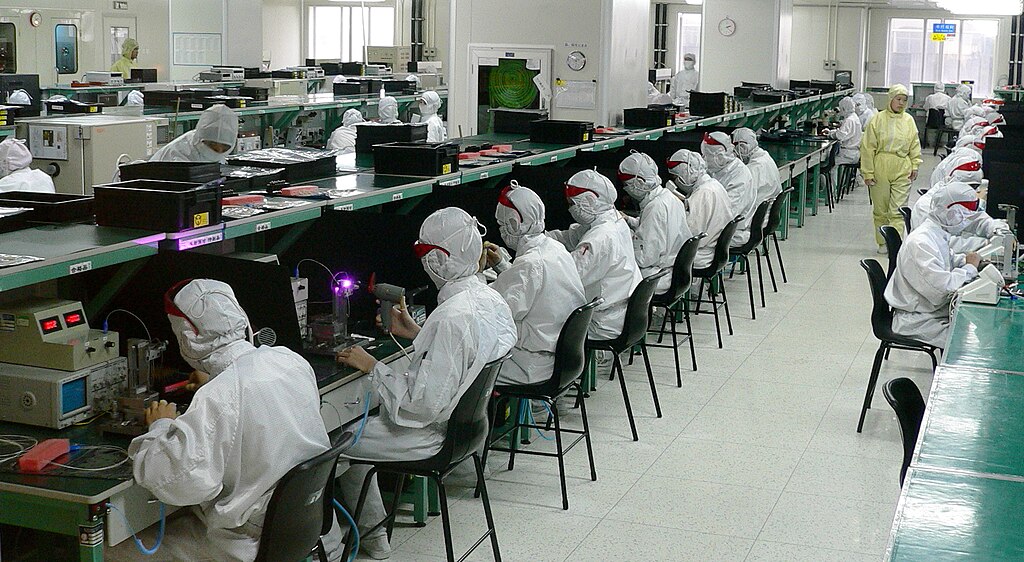
China’s manufacturing sector expanded more than expected in February, driven by strong domestic demand and government stimulus. Official data showed the manufacturing Purchasing Managers’ Index (PMI) rose to 50.2, exceeding forecasts of 50.0 and rebounding from January’s 49.1. A reading above 50 signals growth.
The increase was fueled by Lunar New Year demand, helping businesses withstand initial U.S. tariffs. However, concerns persist over escalating trade tensions between the U.S. and China as President Donald Trump considers additional duties, which could weigh on future exports.
Non-manufacturing activity also strengthened, with the services PMI climbing to 50.4, surpassing expectations of 50.3 and improving from 50.2 in January. This lifted the composite PMI to 51.1 from 50.1, signaling broad economic expansion.
China’s economic activity has rebounded since late 2024 following a series of stimulus measures aimed at bolstering growth. While these policies have supported recovery, investors remain cautious about the long-term impact of U.S. trade restrictions. Many are looking for further government intervention to sustain momentum amid rising geopolitical and economic uncertainties.
As the global economy navigates shifting trade policies and inflationary pressures, China’s resilience will be closely monitored. Future growth depends on Beijing’s ability to counteract external risks and maintain internal stability.













