


 Asian Markets Cautious as Oil Tops $90, AI Earnings and Fed Rate Fears Weigh on Sentiment
  Houthi Naval Blockade on Saudi Arabia Escalates Iran Conflict, Threatens Global Oil Supply
  US Stock Futures Hold Steady as Tesla, Alphabet Earnings and Iran Conflict Dominate Market Focus
  US Dollar Climbs to Weekly High as Middle East Tensions Lift Treasury Yields and Safe-Haven Demand
  India FMCG Q1 Earnings Preview: Higher Input Costs Likely to Weigh on Profit Margins
  South Korea’s Coupang Fine Sparks U.S. Criticism, Raising Concerns Over Bilateral Ties
  US Stock Futures Rise as AI Optimism Lifts Tech, 3M Jumps on Strong Earnings
  Pakistan Seeks $10 Billion U.S. Exchange Stabilization Fund to Boost Forex Reserves
  Bank of America Says These Overlooked AI Stocks Could Be the Next Winners
  Tesla Stock Outlook: Strong EV Sales Boost Earnings, but AI Projects Drive Long-Term Value
  GM Q2 Earnings Beat Estimates as General Motors Raises 2026 Profit Outlook
  Australia ASIC Tightens Auditor Oversight After KPMG Leak Scandal
  US Stock Futures Steady Ahead of Tesla, Alphabet Earnings as Iran Conflict Keeps Markets on Edge
  Asian Stocks Rise as Oil Retreats on Iran Ceasefire Hopes Ahead of Key AI Earnings
  ASEAN Ministers Warn Middle East Conflict Threatens Regional Stability and Energy Security
  DeepSeek Eyes $74 Billion Valuation Ahead of Planned China IPO
  Ryanair Warns Summer Airfares May Stay Lower as Quarterly Profit Misses Estimates


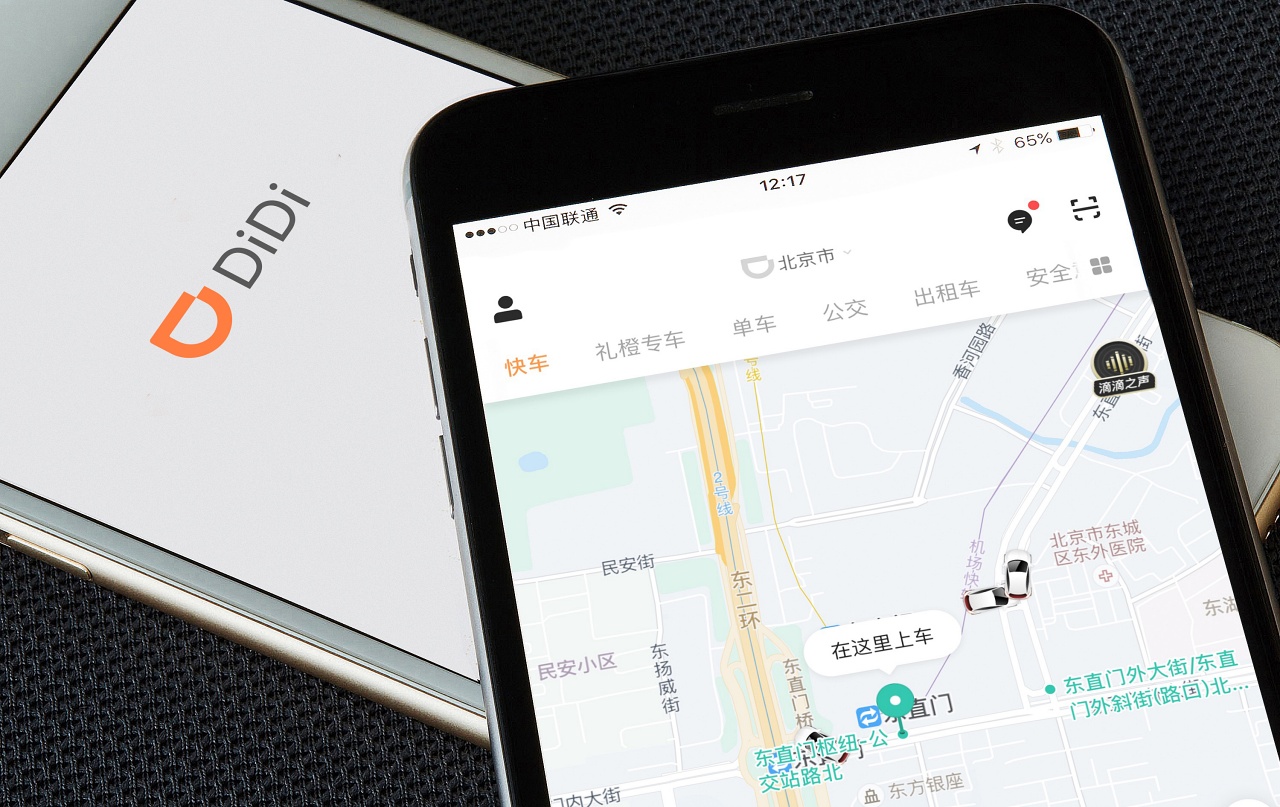
DiDi, the Chinese vehicle for hire company headquartered in Beijing, has been fined by its country’s own cybersecurity authority. The company is being ordered by the Cyberspace Administration of China (CAC) to pay a hefty $1.19 billion or 8.026 billion yuan for breaching data security law.
According to CNBC, DiDi was also penalized for violation of personal information protection law and China’s network security laws. It was revealed on Thursday, July 21, that the announcement of the penalty marks the conclusion of a year-long investigation. While the probe was ongoing for about a year, the ride-hailing giant was also unable to add new users.
In addition, the cybersecurity administration also imposed a separate one million yuan fine each on two executives - Didi’s chairman and chief executive officer, Cheng Wei, and company president, Liu Qing. The publication could not reach the company for comments, but in its statement that was posted online, the company shared it accepted the regulators’ decision.
"We will take this as a warning and pay equal attention to both security and development," BBC News quoted the company as saying in a post via China’s Weibo social media platform.
At any rate, it is not clear if the fine also means that DiDi can now resume accepting new users or if it can return to the app stores in China. The probe on the company was first announced last year, not long after DiDi went public on the New York Stock Exchange (NYSE).
The cybersecurity regulators went after the company after it proceeded with its IPO plans despite having issues with the regulatory board concerning data security. As a result, less than six months after filing for IPO, DiDi said it would be delisting from the NYSE and would list in Hong Kong instead.
Didi's shares reportedly stopped trading on the New York Stock Exchange since then. For its decision, the CAC explained on Thursday that it found conclusive evidence related to security law violations against DiDi. Finally, in accepting the penalty, the firm said it would be carrying out comprehensive and in-depth self-examination to avoid any offense again.







