


 Microsoft Stock Upgraded as Stifel Sees Stronger Azure Growth
  H&M Q3 Profit Beats Estimates as Margins Improve
  Novo Nordisk Weighs Direct NYSE Listing to Boost U.S. Profile
  Petrobras Joins Brazil’s New Diesel Subsidy Program
  Anthropic’s Claude Discovers CRISPR-Like Enzyme System
  BlackBerry Shares Rise as Q2 Earnings, Revenue Beat Estimates
  SoftBank Raises $11.1 Billion in Bond Sale to Fund OpenAI Investment
  Meta Connect Spotlights Camera-Free Smart Glasses Amid Privacy Concerns
  Telix to Acquire Germany’s ITM in $1.65 Billion Radiopharma Deal
  fnny Beta Launches With a Simple Idea: Find an Event, Show Up, Get Rewarded
  Prysmian, Rio Tinto Supply Low-Carbon Cables for Amazon Ohio Data Center
  CNN, MS NOW and Politico Sue Trump Over White House Media Ban
  Apple Extends Qualcomm Patent Licensing Deal
  China Vanke Shares Jump as Beijing Moves to Ease Debt Pressure
  US Northeast Airports Resume Operations After Telecom Outage Disrupts Thousands of Flights
  Meta Unveils Muse Charm AI Device, Expands Smart Glasses Lineup
  US 10-Year Treasury Yield at 6% Emerges as New Market Risk Threshold


 Add as a preferred source on Google
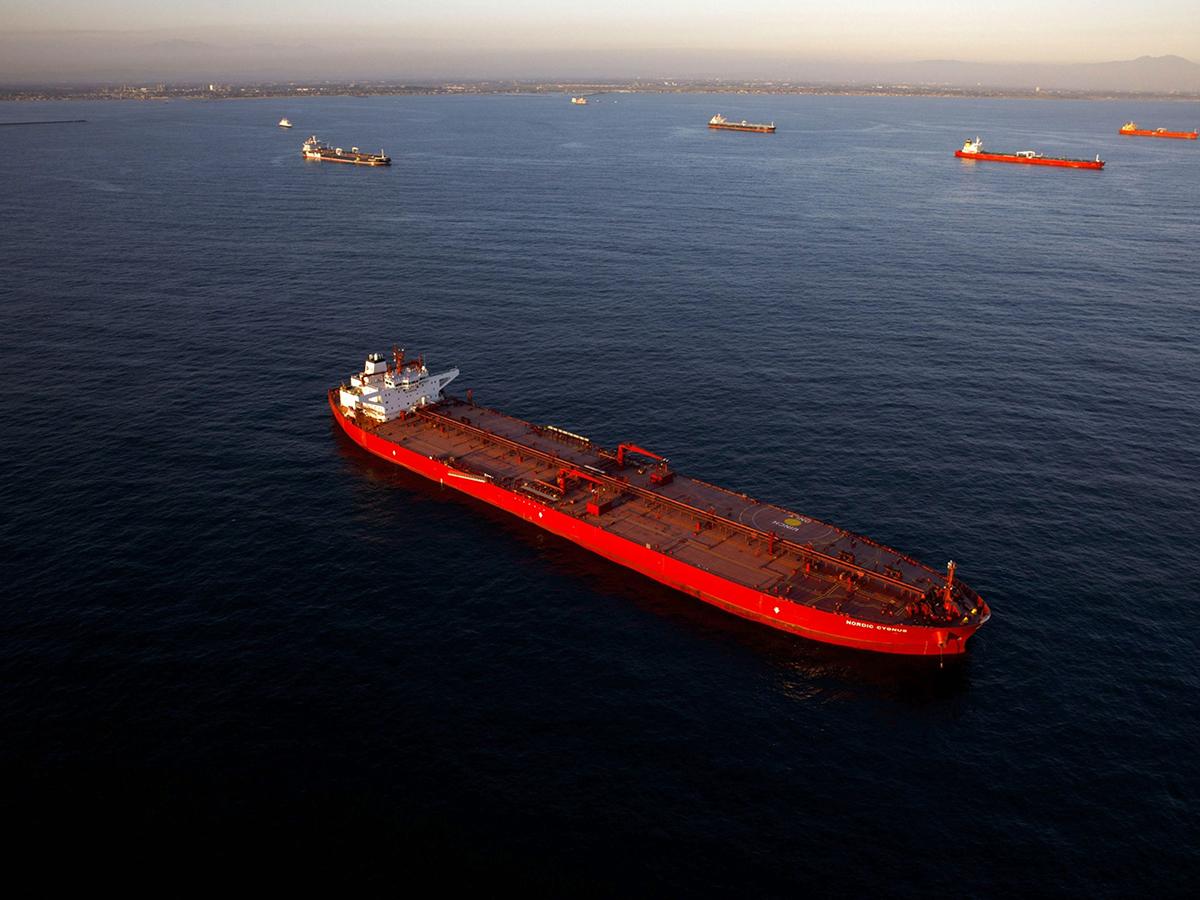
China is storing the 73 million barrels of oil it bought cheaply in March and April on 59 ships left floating at sea off its northern coast.
The said amount of oil is three-quarters of global demand.
According to ClipperData, China's floating storage has nearly quadrupled since the end of May.
The amount is also seven times the monthly average in the first quarter of 2020.
According to Matt Smith, a director at ClipperData, China can't bring the oil it purchased quickly enough to transfer to onshore storage tanks, which are not even close to being filled.
China's buying binge helped prop up US crude price, which crashed to negative $40 a barrel, to surge to $40 a barrel.
The country's oil imports soared 11.3 million barrels per day in May, 19 percent higher from the previous year.
China's June shipments are expected to have surpassed that record.
Most of China's oil in its floating storage came from Brazil. A good amount also came from Iraq, Saudi Arabia, and Nigeria.







