


 Taiwan's MQ-9B SkyGuardian Drone Order Stays on Schedule Despite Middle East Conflict
  U.S. Calls for Reassessment of International Aid to Taliban-Ruled Afghanistan
  Trump Administration Spent $5.6 Billion in Munitions in Opening Days of Iran Strikes
  Venezuela Names Paula Henao as New Oil Minister Amid U.S.-Led Industry Overhaul
  U.S.-Israel War on Iran Sends Crude Oil Prices Surging Amid Strait of Hormuz Tensions
  Iran's Government Remains Stable Despite U.S. and Israeli Strikes, Intelligence Shows
  Mexico's Electoral Reform Bill Fails in Congress as Coalition Fractures
  U.S. and Russia Hold Diplomatic Talks in Florida Amid Ongoing Tensions
  Russian Drone Strikes Hit Kharkiv and Dnipro, Injuring Over 20 Civilians
  IEA Releases Record 400 Million Barrels of Oil Amid U.S.-Iran War
  FBI Warns of Possible Iranian Drone Attacks on California Amid U.S.-Iran War
  After the Iran war, Persian Gulf nations face tough decisions on the US – a former diplomat explains
  U.S. Patriot Missiles Redeployed From South Korea Amid Middle East Conflict
  Anthropic Sues Pentagon Over AI Blacklist, Citing Free Speech Violations
  Iran-Israel War Sparks Global Oil Crisis as Tankers Burn in Gulf Waters
  Iran-U.S. Oil Tensions Escalate as Revolutionary Guards Threaten Strait of Hormuz Blockade
  Japan's BOJ Independence Under Fire as PM Takaichi's Rate Stance Draws Political Heat


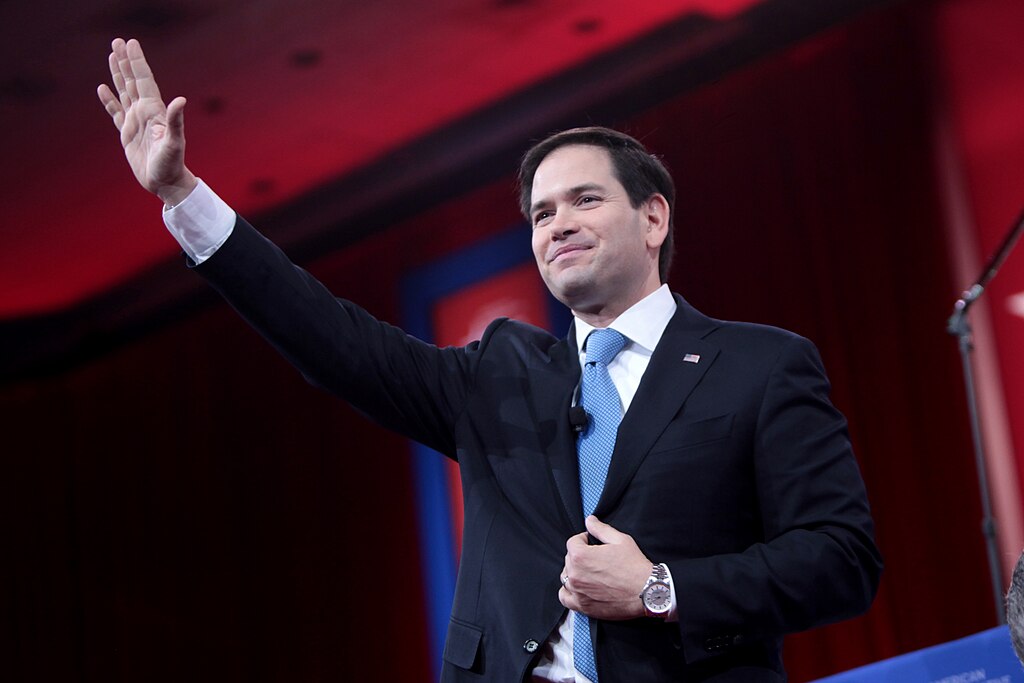
U.S. Secretary of State and National Security Adviser Marco Rubio is no longer serving as the acting archivist of the United States, according to a statement confirmed Thursday by a spokesperson for the National Archives and Records Administration (NARA). The change comes as Rubio complied with the Federal Vacancies Reform Act, a law that restricts how long a Senate-confirmed official can hold another Senate-confirmed position in an acting capacity.
The role of the national archivist is critical, as it involves overseeing federal government records and leading the National Archives. The agency has been at the center of political controversy in recent years, particularly after it alerted the Justice Department in 2022 to former President Donald Trump’s handling of classified documents following his first term. That notification ultimately led to an FBI raid on Trump’s Mar-a-Lago estate and a subsequent indictment, which was later dropped after Trump won the 2024 presidential election.
Shortly after returning to office last year, Trump fired then-U.S. Archivist Colleen Shogan and appointed Rubio as acting head of the National Archives. The appointment added to Rubio’s already extensive portfolio in the administration and fueled public commentary, jokes, and internet memes about the number of influential roles he held simultaneously. Despite a contentious rivalry during the 2016 Republican presidential primaries, Rubio has since become one of Trump’s most trusted allies.
During his tenure in the administration, Rubio has played a central role in several major policy initiatives, including U.S. efforts to assert oversight in Venezuela following the seizure of President Nicolas Maduro, the dismantling of the U.S. Agency for International Development, and the administration’s crackdown on pro-Palestinian protesters through visa and green card revocations.
NARA General Counsel Matt Dummermuth said in an email that Rubio formally stepped back from the archivist position to remain in compliance with federal law. Rubio has delegated his authority at the National Archives to James Byron, a senior adviser to the archivist, who will now oversee the agency’s operations.
The move marks another development in the ongoing intersection of politics, federal records management, and executive power, highlighting both the legal constraints on acting appointments and the continued political sensitivity surrounding the National Archives.













