


 Russia-Iran Military Alliance Deepens With Drone Shipments Amid Middle East Tensions
  Iran Demands Lebanon Be Part of Any Ceasefire Deal With Israel and the U.S.
  Trump to Visit China in May for High-Stakes Xi Summit Amid Iran War
  FEMA Reinstates $1 Billion Disaster Prevention Grant Program After Court Order
  Trump Administration Opens Two New Investigations Into Harvard Over Discrimination and Antisemitism
  Cuba Receives Humanitarian Aid Convoy Amid U.S. Sanctions
  Israel Eyes Litani River as New Border Amid Escalating Lebanon Offensive
  Denmark Election 2025: Social Democrats Suffer Historic Losses Amid Migration and Cost-of-Living Tensions
  Iran-U.S. Negotiations: Tehran Reviews American Peace Proposal Amid Ongoing Gulf Conflict
  G7 Foreign Ministers Gather in France Amid Global Tensions and U.S. Policy Uncertainty
  Russia Strikes Kharkiv and Izmail as Cross-Border Drone War Escalates
  Trump Says Iran Offered Major Energy Concession Amid Ongoing Negotiations
  WTO Reform Talks Begin in Cameroon Amid Global Trade Tensions
  Maduro Faces Rare Narcoterrorism Charges in U.S. Court
  US-Iran Ceasefire Talks Underway: What You Need to Know
  Kristi Noem Ends Western Hemisphere Tour in Diminished Role After DHS Firing
  Bachelet Pushes Forward With UN Secretary-General Bid Despite Chile's Withdrawal


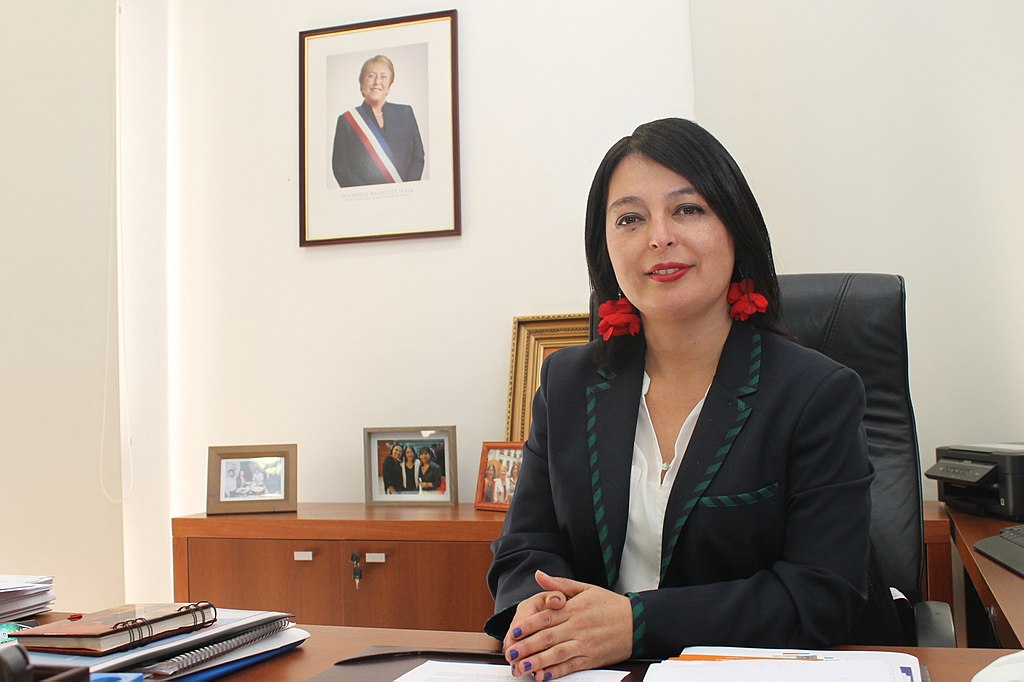
Chile’s presidential election is off to a tense and closely watched start, with early results showing a competitive race that could shape the country’s political direction for years to come. According to the initial count released by Servel, the national electoral service, leftist coalition candidate Jeannette Jara has emerged as the early frontrunner. With 1.6% of ballots counted so far, Jara leads with 31.3% of the vote, positioning her as a strong contender in a highly polarized contest.
Jara, supported by the governing leftist coalition, has built her campaign around expanding social protections, strengthening public services, and prioritizing workers’ rights. Her early lead reflects growing voter interest in progressive economic and social reforms amid continued debates over inequality and access to essential services in Chile. Although only a small portion of total votes has been tallied, her position underscores the momentum her campaign has gathered in recent weeks.
Close behind her is far-right candidate José Antonio Kast, who currently holds 23.3% of the vote in what marks his third attempt at the presidency. Kast’s platform centers on conservative values, stricter immigration policies, and a more market-driven economic approach. His continued prominence highlights Chile’s deep ideological divides and the ongoing debate over the country’s future direction following recent years of political upheaval and constitutional discussions.
Under Chilean election rules, a candidate must secure more than 50% of the total vote to win outright. With no contender projected to achieve an absolute majority based on early results, the race is expected to head to a decisive runoff on December 14. The upcoming weeks will be crucial as both leading candidates intensify their campaigns to win over undecided voters and broaden their support.
As Chile awaits further results, the early tally sets the stage for a high-stakes electoral showdown that will shape policy priorities and influence the nation’s political landscape for years ahead.













