


 Russian LNG Shadow Fleet Expands Amid Arctic LNG 2 Sanctions
  Judge Rules DOGE Humanities Grant Cuts Unconstitutional
  Australia’s Wealthy Donors Shift Support to One Nation Amid Conservative Party Decline
  US Reviews Mexican Consulates Amid Rising Diplomatic Tensions
  TikTok Nears $400 Million Settlement With Trump Administration Over Child Privacy Lawsuit
  Mexico President Claudia Sheinbaum Reconsiders Early School Closure Plan Ahead of 2026 World Cup
  Vietnam Plans AI-Driven Propaganda Push With Influencers and Podcasts
  Ukraine-Russia Ceasefire Confirmed as Prisoner Swap Deal Advances
  Trump Invites Top CEOs Including Nvidia, Apple, Boeing to China Summit With Xi Jinping
  Israel’s Secret Iraq Base Allegedly Supported Iran Air Campaign, WSJ Reports
  US Launches Retaliatory Strikes on Iran Amid Rising Strait of Hormuz Tensions
  Lula and Trump Talks Signal New Phase in Brazil-US Relations
  Trump Reportedly Approves Plan to Remove FDA Commissioner Marty Makary Amid Growing Controversies
  Trump Says U.S. Navy Destroyers Passed Strait of Hormuz Under Iranian Fire
  Trump Announces Russia-Ukraine Ceasefire for May 9-11 Amid Ongoing Peace Talks
  US Revises UN Resolution on Iran Strait of Hormuz Attacks Amid Russia-China Opposition
  Pope Leo Calls for Peace as Vatican Seeks Better Ties With U.S.


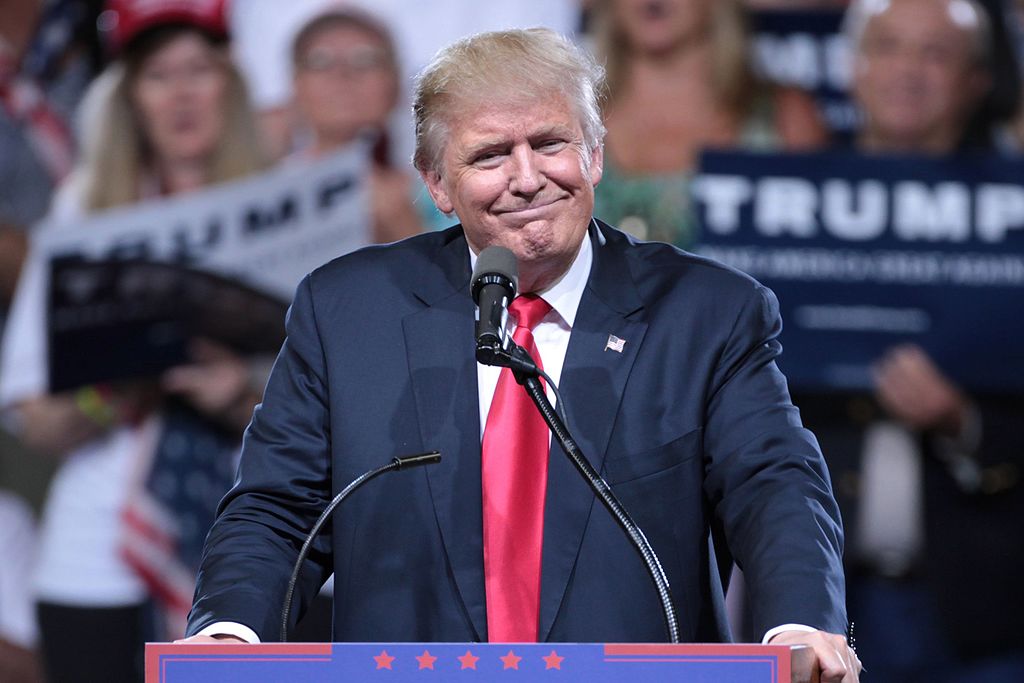
Central American officials have raised concerns about their nations’ inability to manage the potential return of hundreds of thousands of citizens deported under President-elect Donald Trump’s planned immigration crackdown. The warnings highlight fears of economic strain, social instability, and overwhelmed infrastructure as deportations loom.
Trump’s historic deportation program, which aims to remove millions of undocumented immigrants from the United States, has sparked heated debate. Countries like El Salvador, Honduras, and Guatemala say they lack the resources to absorb such a large influx of returning nationals. Officials argue that their economies, already fragile from poverty, unemployment, and violence, could face collapse.
“We simply do not have the capacity to accept so many people at once,” one Central American official told Reuters. “This is not just a logistical problem—it is a humanitarian crisis waiting to happen.”
Officials Sound the Alarm
Leaders across Central America have called for urgent discussions with U.S. officials to address the consequences of Trump’s deportation policy. They stress that their countries cannot provide jobs, housing, or basic services for potentially hundreds of thousands of deportees.
Honduran President Juan Orlando Hernández emphasized that deportations on this scale would destabilize the region. “We need cooperation, not unilateral decisions,” he said in a statement.
In Guatemala, local leaders warned that communities already struggling with poverty and gang violence could see conditions worsen. “If people return to find no opportunities, the cycle of migration will repeat,” said Maria Perez, a community development advocate.
Economic experts predict widespread economic disruption if large numbers of nationals return at once. Remittances from migrants in the U.S. form a significant part of the region’s economies, contributing to education, healthcare, and food security for families back home.
Online Reactions Reflect Divided Opinions
Trump’s deportation plans and Central America’s warnings have triggered polarizing reactions online, with netizens debating the economic and humanitarian implications.
User @PatriotUSA posted, “America has to put its citizens first. If these countries can’t take their people, that’s their problem.”
Another user, @HumanityFirst, pushed back, writing, “Forcing people back into poverty and violence will only cause suffering. This is not the solution.”
Supporter @BorderSecurityNow wrote, “Trump is doing what other presidents didn’t have the guts to do. It’s time to enforce our laws.”
Critic @GlobalUnity argued, “You can’t deport hundreds of thousands of people without helping their home countries prepare. This is reckless.”
User @EconomistJuan added, “If Central America collapses from this, migration will worsen. Leaders need to think long-term.”
Meanwhile, @MigrantVoices commented, “These people work hard and send money home. Deporting them hurts everyone.”
Economic and Humanitarian Challenges
Central America’s limited infrastructure faces significant strain if Trump’s deportation policy proceeds without international coordination. Experts say a sudden influx could worsen unemployment, lead to overcrowded cities, and strain education and healthcare systems.
Humanitarian organizations have urged both U.S. and Central American leaders to collaborate on strategies that mitigate the impacts of large-scale deportations.
Next Steps for Trump’s Plan
As Trump prepares to assume office, his deportation program remains a centerpiece of his immigration agenda. However, growing pushback from Central American leaders highlights the urgent need for bilateral solutions to address capacity challenges.
For now, officials in the region continue to warn that without coordinated efforts, the consequences could reverberate across borders, worsening the very migration crisis Trump’s policy seeks to solve.







