


 CDC Acting Director Urges Measles Vaccination as U.S. Cases Surge in 2026
  Medicare to Cover GLP-1 Weight-Loss and Diabetes Drugs Starting July 1
  Moderna to Pay Up to $2.25B to Settle LNP Patent Dispute Over COVID-19 Vaccine Technology
  Innovent Biologics Shares Rally on New Eli Lilly Oncology and Immunology Deal
  U.S. Officials Express Optimism Over New CDC Director Selection Amid Vaccine Policy Turmoil
  Novartis’ Vanrafia Shows Strong Phase 3 Results in IgA Nephropathy, Paving Way for Full Approval
  Supreme Court Asked to Reinstate Mail-Order Access to Abortion Pill Mifepristone
  Daiichi Sankyo Stock Drops After Earnings Delay and Oncology Review
  Trump Reportedly Approves Plan to Remove FDA Commissioner Marty Makary Amid Growing Controversies
  Democratic Attorneys General Sue Trump Administration Over CDC Childhood Vaccine Schedule Changes
  The four types of dementia most people don’t know exist
  Hantavirus Cruise Ship Outbreak Triggers Global Health Alert
  Novocure Stock Surges 30% After FDA Approves Optune Pax for Pancreatic Cancer Treatment
  Why the future of marijuana legalization remains hazy despite high public support
  Novo Nordisk Raises 2026 Outlook on Strong Wegovy Demand


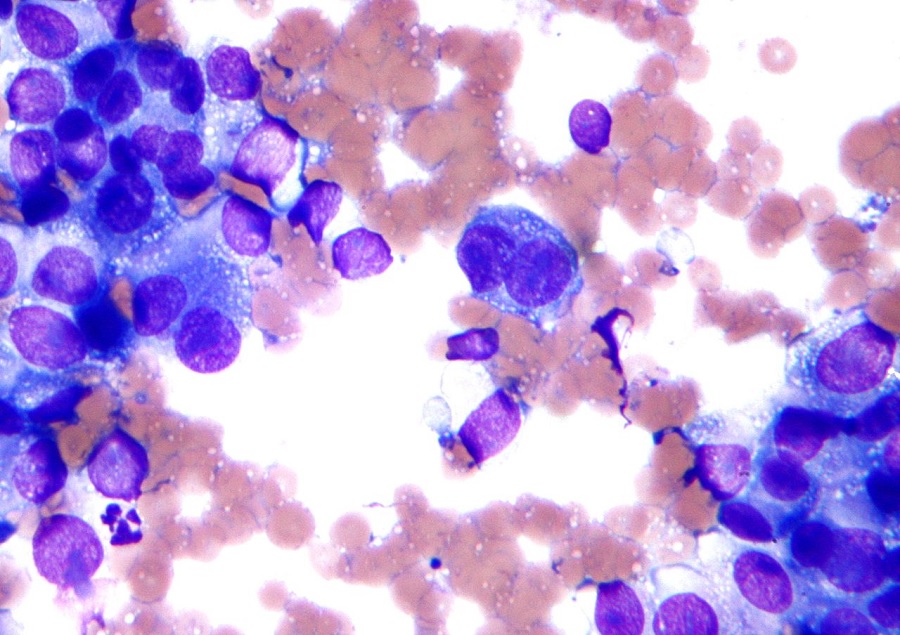
The world is still waiting to see a complete cure for the various types of cancer. On the bright side, scientists have achieved major strides in developing much-improved treatment strategies to increase survival rates among patients diagnosed with advanced stages of cancer.
Combination treatment increases survival chances among advanced melanoma patients
Scientists from the London-based Institute of Cancer Research and The Royal Marsden Hospital experimented on combining ipilimumab and nivolumab. These are monoclonal antibodies that are being used in cancer patients to improve their chances of survival.
Separately, the ipilimumab and nivolumab have proven its effectivity. However, researchers proved that they offer greater results when administered together in a study published in the New England Journal of Medicine. For their experiment, scientists gathered 945 patients suffering from advanced melanoma and divided them into three groups where some 314 given the combined treatments, 315 took ipilimumab, and 316 were administered with nivolumab.
It was reported that 52 percent of the patients that took the combination treatment lived for five years and more. The same result was observed on 44 percent of the patients that only took nivolumab and 26 percent among those only given of ipilimumab.
Melanoma statistics: Why improved treatment is significant
The Guardian reports that the researchers that experimented on combining ipilimumab and nivolumab would not go as far as claiming it to be a cure. However, seeing that it offers advanced melanoma patients with increased chances of survival is still a significant success.
Melanoma is just one of the two main types of skin cancer. It is the 19th most common cancer that occurs on either men or women, according to the World Cancer Research Fund. The same organization reports that about 300,000 new cases of melanoma were reported last year.
Through developments in immunotherapies and other treatments, recent studies reportedly show that there was a huge improvement in the statistics of advanced melanoma patients who were able to live for five years or longer. With newer studies such as the one conducted by the Institute of Cancer Research and The Royal Marsden Hospital researchers, the number could even go higher in the coming years.







