


 Blue Origin’s New Glenn Achieves Breakthrough Success With First NASA Mission
  Trump Signs Executive Order to Boost AI Research in Childhood Cancer
  SpaceX’s Starship Completes 11th Test Flight, Paving Way for Moon and Mars Missions
  Trump Administration Releases New UFO Files and Apollo Mission Records
  NASA Artemis II: First Crewed Moon Mission Since Apollo Takes Four Astronauts on 10-Day Lunar Journey
  SpaceX Pivots Toward Moon City as Musk Reframes Long-Term Space Vision
  NASA's Artemis II Crew Arrives in Florida for Historic Moon Mission
  Cogent Biosciences Soars 120% on Breakthrough Phase 3 Results for Bezuclastinib in GIST Treatment
  Neuralink Plans High-Volume Brain Implant Production and Fully Automated Surgery by 2026
  SpaceX Prioritizes Moon Mission Before Mars as Starship Development Accelerates
  Tabletop particle accelerator could transform medicine and materials science
  Blue Origin New Glenn Explosion Could Delay Launch Operations Until 2028
  FDA Pilot Program Eases Rules for Nicotine Pouch Makers


 Add as a preferred source on Google
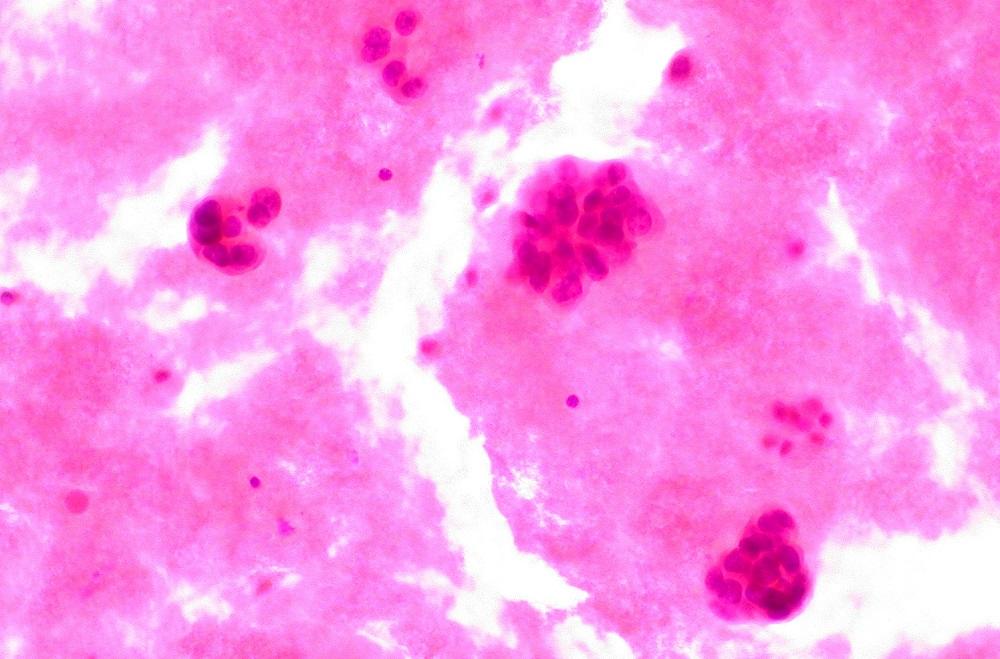
Scientists from Israel recently announced they are one year away from delivering a “complete cure” to cancer. But some experts are explaining why the promised time frame is questionable.
In late January, scientists and researchers working in the Israeli company Accelerated Evolution Biotechnologies Ltd. (AEBi) made headlines. Board chairman Dan Aridor told the Jerusalem Post they believe they will be offering the “complete cure for cancer” “in a year's time.”
Aridor further claimed that the cancer cure promised to be out by January 2020 “will be effective from day one, will last a duration of a few weeks and will have no or minimal side-effects.” The same report likened AEBi's cancer cure to a cancer antibiotic developed through multi-target toxin (MuTaTo) and, more importantly, uses peptides (amino acids compounds). AEBi also pointed out that peptides cost less and easier to work with than antibodies.
The scientific explanations on how the reported “complete” cancer cure really sounds promising. And the next big questions are where AEBi is currently at in their research and whether the one-year time frame is achievable.
At the time of AEBi's announcement of their major cancer cure project, the company has started working on patenting the peptides. AEBi CEO Ilan Morad, on the other hand, confirmed they just finished the first exploratory experiment on mice last month and saw positive, as well as “consistent and repeatable,” results.
However, AEBi has yet to publish their research in any medical journal because they “can't afford” it yet, the Times of Israel reported. This is a crucial step for a major project such as a potential cancer cure so peers and other experts can review AEBi's work and provide support or points of improvements when necessary. Without the publication, AEBi's work is merely a news report at this point, American Cancer Society's Dr. Leonard Lichtenfeld pointed out in his blog.
Dr. Lichtenfeld does not dismiss the possible breakthrough that AEBi could achieve in their promise of a cancer cure. However, he also warned readers, “We hope that this approach also bears fruit and is successful. At the same time, we must always offer a note of caution that the process to get this treatment from mouse to man is not always a simple and uncomplicated journey.”







