


 Trump’s Inflation Claims Clash With Voters’ Cost-of-Living Reality
  Singapore Budget 2026 Set for Fiscal Prudence as Growth Remains Resilient
  Thailand Inflation Remains Negative for 10th Straight Month in January
  Trump Lifts 25% Tariff on Indian Goods in Strategic U.S.–India Trade and Energy Deal
  Gold and Silver Prices Slide as Dollar Strength and Easing Tensions Weigh on Metals
  Oil Prices Slide on US-Iran Talks, Dollar Strength and Profit-Taking Pressure
  China Extends Gold Buying Streak as Reserves Surge Despite Volatile Prices
  South Africa Eyes ECB Repo Lines as Inflation Eases and Rate Cuts Loom
  Gold Prices Slide Below $5,000 as Strong Dollar and Central Bank Outlook Weigh on Metals
  RBI Holds Repo Rate at 5.25% as India’s Growth Outlook Strengthens After U.S. Trade Deal
  Russian Stocks End Mixed as MOEX Index Closes Flat Amid Commodity Strength
  Fed Governor Lisa Cook Warns Inflation Risks Remain as Rates Stay Steady
  Dollar Steadies Ahead of ECB and BoE Decisions as Markets Turn Risk-Off
  U.S.-India Trade Framework Signals Major Shift in Tariffs, Energy, and Supply Chains
  Australia’s December Trade Surplus Expands but Falls Short of Expectations
  Dow Hits 50,000 as U.S. Stocks Stage Strong Rebound Amid AI Volatility
  Silver Prices Plunge in Asian Trade as Dollar Strength Triggers Fresh Precious Metals Sell-Off


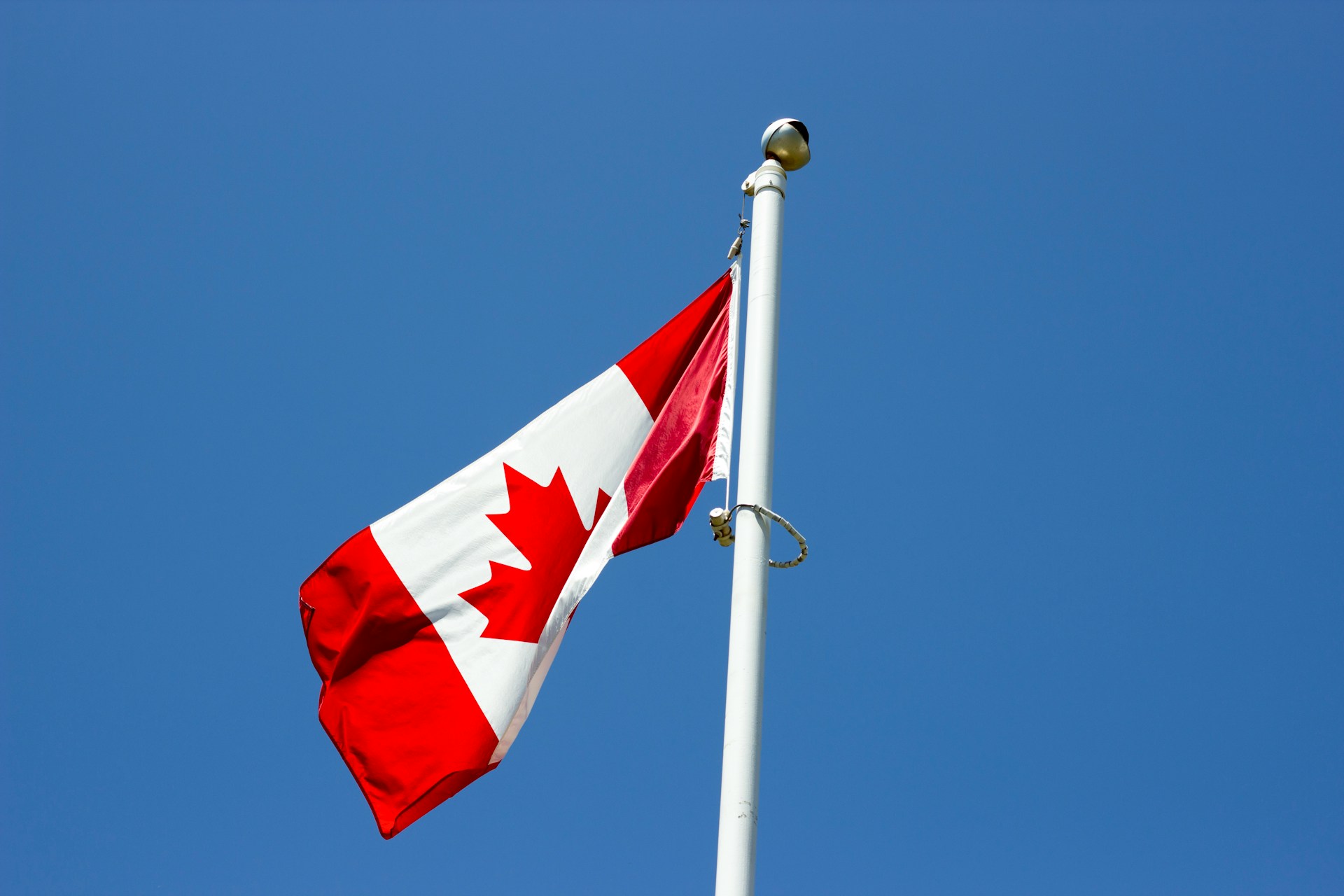
Canada’s AAA sovereign credit rating remains stable, but some provinces could suffer if U.S. tariffs take effect, analysts warn. President Donald Trump’s proposed 25% duty on Canadian imports, set for March 4, could disproportionately impact provinces heavily reliant on U.S. exports or struggling with fiscal deficits.
Fitch Ratings’ Douglas Offerman highlighted Ontario and Quebec as particularly vulnerable due to their manufacturing industries. Alberta and Saskatchewan, key exporters of energy and potash, also face risks. Morningstar DBRS’ Travis Shaw noted that even provinces with minimal U.S. trade exposure, like British Columbia and Nova Scotia, could struggle due to high debt levels.
Moody’s Ratings has already flagged a potential trade war as “credit-negative” for all Canadian provinces, predicting lower growth and revenue losses. Compounding concerns, the federal government’s immigration cuts could further strain provincial finances. Alberta’s latest budget forecasts a C$5.2 billion deficit for 2025/26 if tariffs hit, in stark contrast to its expected C$5.8 billion surplus for the current fiscal year.
Ontario, contributing nearly half of Canada’s 1.2% economic growth in 2023, derives 17% of its GDP from U.S. exports, including automobiles, metals, and consumer goods. Quebec, home to a major aerospace industry, and Manitoba also have significant exposure, with more than 15% and 16% of their GDPs tied to U.S. trade, respectively.
Analysts suggest these provinces may require additional government support to withstand the financial strain. Collectively, Canada’s provinces have a fiscal buffer of approximately C$100 billion before surpassing pre-pandemic debt-to-GDP levels, according to Desjardins economist Laura Gu.
While provincial credit ratings remain stable for now, the looming tariff threat remains a significant economic risk.













