


 Diesel Price Surge Threatens Global Economy Amid Middle East Conflict
  IEA Releases Record 400 Million Barrels of Oil Amid U.S.-Iran War
  Iran-Israel War Sparks Global Oil Crisis as Tankers Burn in Gulf Waters
  UK Housing Market Slows Amid Geopolitical Tensions and Mortgage Rate Fears
  Chinese AI Stocks Surge as Tencent, MiniMax, and Zhipu Launch Agentic AI Programs
  Trump Administration Launches Trade Investigations Against 16 Countries Over Industrial Overcapacity
  Asian Markets Retreat as Oil Prices Surge Toward $100 Amid Middle East Tensions
  Oil Prices Surge Toward $100/Barrel After Tanker Attacks in Iraqi Waters
  Dollar Stabilizes Amid Iran War Uncertainty as Oil Prices Remain Elevated
  Asian Currencies Face Pressure as U.S.-Iran Conflict Weighs on Markets
  Iran-U.S. Oil Tensions Escalate as Revolutionary Guards Threaten Strait of Hormuz Blockade
  Gold Prices Slip as U.S.-Israel-Iran War Fuels Dollar and Oil Demand
  U.S. Solar Market Contracts in 2025 as Trump Rolls Back Renewable Energy Incentives
  U.S. Futures Slide as Oil Prices Surge on Middle East Shipping Attacks
  Asian Stock Markets Rise as Oil Prices Pull Back; U.S. CPI in Focus
  IEA Plans Record Emergency Oil Release Amid Iran Strait of Hormuz Crisis
  U.S. Markets Slip Amid Iran Conflict Uncertainty as Oil Prices Retreat


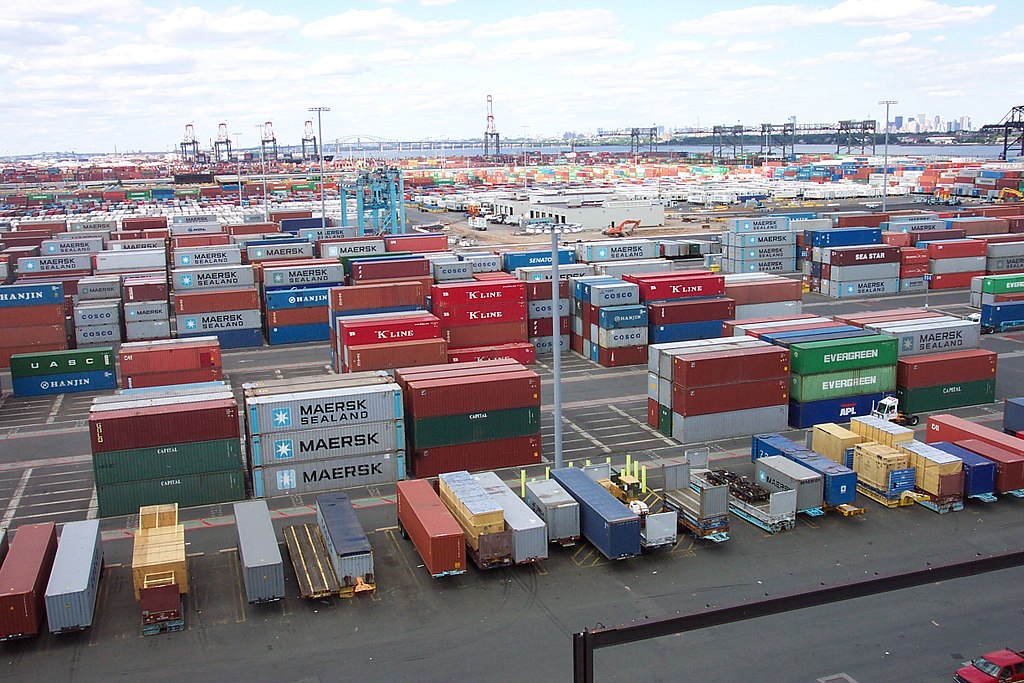
Australia recorded a smaller-than-expected trade surplus in December, highlighting continued pressure on the country’s export sector amid weak overseas demand and a strong Australian dollar. According to data released by the Australian Bureau of Statistics (ABS), Australia’s trade balance posted a surplus of A$3.37 billion in December, slightly below market expectations of a A$3.42 billion surplus. While the outcome missed forecasts, it still marked a notable improvement from November’s revised surplus of A$2.60 billion.
The month-on-month improvement in Australia’s trade balance was supported by a modest recovery in exports. Export volumes increased by 1% in December after a sharp 2.9% decline in November. This rebound suggests some stabilization in external demand, although overall export growth remains constrained. Commodity shipments, particularly to key trading partners such as China, Japan, and parts of Europe, remained relatively steady during the month. However, declines in metal exports and shipments of industrial goods continued to weigh on total export performance, underscoring uneven demand across sectors.
Another factor limiting export growth was the strength of the Australian dollar. The currency rallied to near three-year highs in recent months, making Australian goods more expensive for overseas buyers and reducing export competitiveness. The elevated exchange rate has become an increasing headwind for exporters, especially in price-sensitive global markets.
On the import side, Australian imports fell 0.8% month-on-month in December. The decline signals that domestic demand remains subdued, as households and businesses continue to grapple with the impact of high inflation and elevated interest rates. A strong Australian dollar also contributed to weaker import volumes, as it altered purchasing patterns and reduced demand for certain goods.
Overall, Australia’s December trade data reflects a fragile balance between modest export recovery and ongoing economic pressures at home and abroad. While the larger trade surplus offers some support to the broader economy, subdued global demand, currency strength, and soft domestic consumption suggest that trade conditions may remain challenging in the near term.













