


 Shein Hong Kong IPO to Raise $1.7 Billion at $26.5 Billion Valuation
  SoftBank Eyes $20 Billion Bond Sale to Refinance OpenAI Loan
  Meta, U.S. States Discuss Settlement in Teen Addiction Trial
  OpenAI Data Center Chief Chris Malone Exits Ahead of Planned 2027 Listing
  Honda, Nissan Eye Shared Vehicle Software Platform by 2029
  Pinterest Stock Falls as CFO Julia Brau Donnelly Resigns
  Salesforce Shares Surge as AI Demand Powers Q2 Earnings Beat
  SoftBank Plans Record $6.3 Billion Bond Sale to Fund OpenAI Investments
  Itochu Offers $1.56 Billion to Privatize Dentsu Soken
  Nvidia Eyes Perplexity Investment at $30 Billion Valuation
  Yindjibarndi Appeals Fortescue Mining Compensation Ruling
  Adidas, Puma Shares Fall as Dick’s Sporting Goods Cuts Outlook
  SK Biopharmaceuticals Secures Global Rights to Biohaven Epilepsy Drug Opakalim
  Google Changes EU Spam Policy Amid Antitrust Scrutiny
  SK Hynix Shares Fall as Workers Reject Wage Deal


 Add as a preferred source on Google
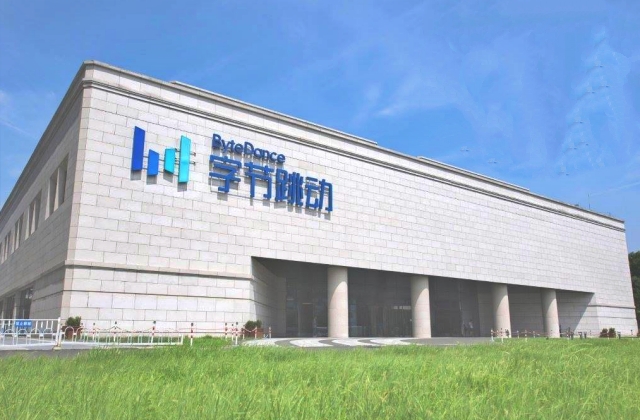
ByteDance, the Chinese tech giant behind TikTok, is reportedly building advanced cloud infrastructure powered by NVIDIA's latest Blackwell chips outside of China. According to a Wall Street Journal report, the company is partnering with Southeast Asian firm Aolani Cloud to deploy at least 500 NVIDIA Blackwell servers in Malaysia, incorporating approximately 36,000 B200 chips in total.
Aolani Cloud is sourcing these servers from Aivres, a company specializing in assembling processors using NVIDIA chips. The move comes as U.S. export restrictions continue to block NVIDIA from directly selling its most advanced AI chips to Chinese entities. In response, several Chinese technology companies have pursued alternative strategies by establishing data centers in countries outside China to access restricted hardware.
ByteDance's Malaysia deployment follows earlier reports of the company utilizing NVIDIA B200 chips at a data center in Indonesia, signaling a broader regional expansion strategy. By leveraging Southeast Asia as a hub, ByteDance appears to be systematically circumventing the limitations imposed by U.S. trade policy while continuing to scale its global AI ambitions.
The TikTok parent company has been aggressively investing in artificial intelligence, launching multiple AI-driven applications across both Chinese and international markets. One recent standout is Seedance, an AI-powered video generation model that quickly gained viral traction online, underscoring ByteDance's growing capabilities in generative AI.
With competitors like OpenAI, Google, and Meta pushing boundaries in AI development, ByteDance is clearly positioning itself as a formidable global player. Its continued investment in high-performance NVIDIA infrastructure, even amid geopolitical headwinds, reflects how seriously the company is pursuing AI leadership on a worldwide scale. The development also raises fresh questions about the long-term effectiveness of U.S. chip export controls targeting China's AI sector.







