


 Hantavirus Cruise Ship Outbreak Triggers Global Health Alert
  Armani Group Eyes Strategic Stake Sale to Luxury Giants
  Morgan Stanley Bets on Optical Component Stocks in Greater China Tech Sector
  US Auto Industry Urges Trump to Block Chinese EV Market Access
  Oil Prices Surge Over 3% as Trump Rejects Iran Peace Response
  AcadeMedia Q3 Profit Climbs as International and Adult Education Segments Drive Growth
  Dollar Rises as Strait of Hormuz Crisis Pushes Oil Prices Higher
  Japan’s Yen Intervention and BOJ Rate Hike Bets Support Currency Recovery
  Sony Forecasts Lower 2027 Profit Despite Strong Music and Sensor Growth
  CSL Shares Crash as Profit Warning and $5 Billion Impairment Shake Investors
  Saudi Aramco Q1 Profit Jumps 25% as Strait of Hormuz Crisis Reshapes Oil Exports
  Asian Currencies Slide as Iran Tensions Boost Dollar and Oil Prices
  European Stocks Fall as US-Iran Conflict Rekindles Energy Supply Fears
  Trump Invites Top CEOs Including Nvidia, Apple, Boeing to China Summit With Xi Jinping
  Malaysia Unveils Energy Security Plan Amid Iran Conflict and Rising Oil Costs
  China Car Sales Drop Again as EV Export Growth Surges in April
  JD Sports Backs Nike CEO Elliott Hill Amid Brand Turnaround Efforts


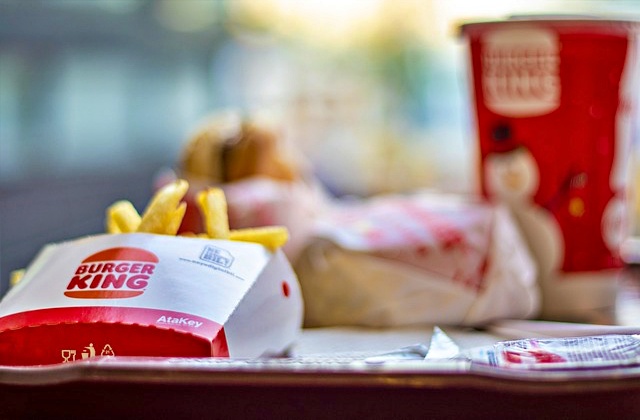
Burger King is reducing the serving portion of some food items, and inflation has been blamed for the move. The fast-food chain’s parent company in the United States, Carrols Restaurant Group Inc., announced the change in portion sizes this week.
After removing Burger King’s famous Whopper burger from its value meal option earlier this month, Carrols said it was also forced to cut the serving size of BK’s chicken nuggets. The restaurant company explained the decision was made due to the increasing cost of beef and wages, as per Bloomberg.
Prices of beef have gone up 33% in the fourth quarter compared to the previous year. This price hike is a big deal for Carrols Restaurant Group, which owns more than 1,000 Burger King stores across the country because this meat makes up 25% of its commodity purchases.
“Domestic food, paper producers and distributors supplying most of our commodities are dealing with labor constraints along with higher fuel costs and are passing these increases on to us,” Dan Accordino, Carrol’s chief executive officer, said during Thursday’s (Feb. 24) earnings call.
The chief added that they believe the cost of labor will also continuously increase throughout the year. Because of this, the company has no choice but to implement price increases for its menu. Accordino said that it is likely that Carrols will hike rates again this year.
Aside from raising menu prices, the company said revealed that it will also reduce the number of chicken nuggets in Burger King meals in an effort to fight inflation. Customers can expect to see their nuggets down to eight pieces from 10.
Labor inflation is another problem that Carrols Restaurant Group is facing as it previously raised the average hourly wages by 14% year-over-year. The wage hike was implemented to maintain the Burger King stores’ open hours from 6 a.m. to 11 p.m. This is also an effort to retain staff as there is also an ongoing labor shortage.
“As you may have recently read, the Burger King brand has about a dozen menu and promotional initiatives, some of which have already been implemented and some that will be implemented over the course of this year,” Market Watch quoted Accordino in another report. “We also intend to continue to move pricing to partially offset inflation to the extent possible without impacting traffic.”







