


 Oil Prices Rise as US-Iran Tensions Threaten Strait of Hormuz Oil Shipments
  Yen Falls to 40-Year Low as Markets Watch Japan Intervention and U.S. Jobs Report
  China Manufacturing PMI Edges Higher in June as Exports and AI Investment Boost Growth
  US Dollar Slips After PCE Inflation Data as Fed Rate Hike Expectations Stay Elevated
  China Factory PMI Seen Returning to Growth in June as AI Export Demand Supports Economy
  Trump Suspends Some Morocco Fertilizer Tariffs to Ease U.S. Supply Shortage
  Global Financial Firms Shift Asia Expansion Focus to South Korea as China, India Face Caution
  Gold Price Ends Lower for Fourth Week Despite Rebound as Fed Rate Hike Bets Strengthen
  US Stock Futures Steady as Investors Await Payrolls Data and Monitor Iran Tensions
  Asian Stocks End Strong Quarter as Dollar Surges, Yen Hits 40-Year Low Ahead of US Jobs Data
  China Sets 1.25% Overnight Reverse Repo Rate Below Market Expectations
  Trump Urges Gasoline Retailers to Cut Prices to $2.50 Per Gallon, Warns of Legal Action
  Oil Prices Slip as U.S.-Iran Peace Talks and Strait of Hormuz Risks Keep Markets on Edge
  World Bank Approves $1.1 Billion Emergency Funding for Bangladesh Amid Food and Energy Price Pressures
  Gold Price Hits Annual Low as Fed Rate Hike Bets and Sticky Inflation Weigh on Bullion
  RBA Minutes Signal Australia Central Bank Remains Ready to Raise Interest Rates if Inflation Persists
  Economic pessimism has set in – but there are reasons for Australians to be hopeful


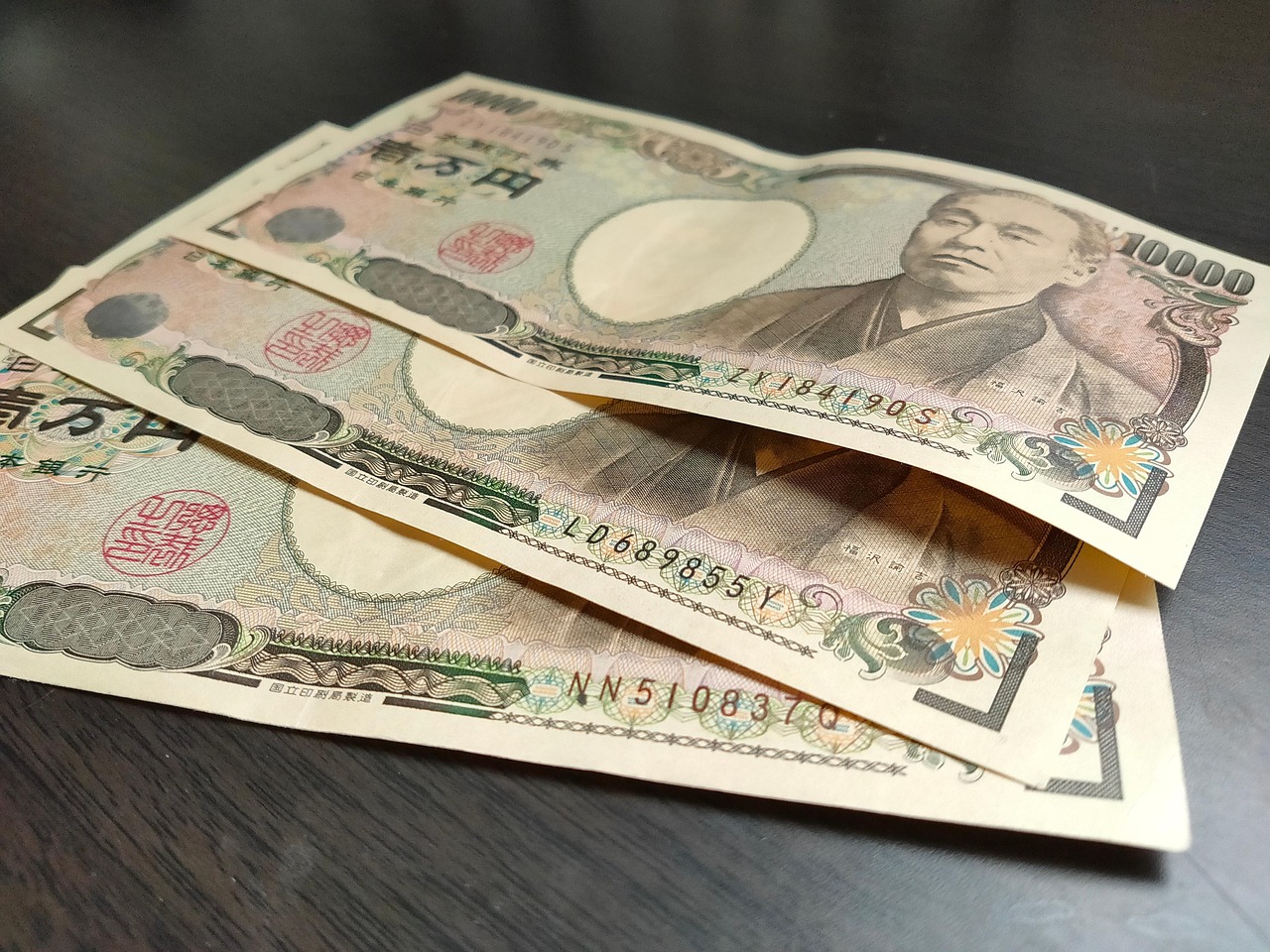
Most Asian currencies weakened on Monday as rising geopolitical tensions in the Middle East reduced investor appetite for riskier assets. Concerns grew after U.S.-Iran peace negotiations appeared to stall, pushing the U.S. dollar and oil prices higher across global markets.
The U.S. Dollar Index gained momentum following stronger-than-expected U.S. payroll data released last week, which lowered expectations for immediate Federal Reserve interest rate cuts. The renewed strength of the dollar placed pressure on several Asian currencies, particularly those tied to emerging markets.
Market sentiment worsened after U.S. President Donald Trump reportedly described Iran’s response to Washington’s peace proposal as “totally unacceptable.” The comments dampened hopes for a quick resolution to tensions in the Gulf region, a key area for global energy supplies.
Oil prices surged more than 4% amid fears of disruptions near the Strait of Hormuz, one of the world’s most important oil shipping routes. Traders remain concerned that prolonged instability in the region could tighten global energy supply and fuel inflationary pressures worldwide.
Among Asian currencies, the South Korean won posted the biggest decline, with the USD/KRW pair rising 0.9%. The Indian rupee also weakened, pushing USD/INR up 0.4%, while the Singapore dollar slipped 0.3% against the greenback. The Australian dollar fell 0.3% as investors moved toward safer assets.
The Japanese yen also lost ground, although expectations of possible intervention by Japanese authorities helped limit losses. Analysts noted that Tokyo continues to closely monitor currency volatility after recent sharp yen movements sparked speculation of large-scale market intervention.
Meanwhile, China’s yuan found some support after inflation data exceeded forecasts. China’s consumer price index rose 1.2% year-on-year, while producer prices climbed 2.8%, marking the fastest increase in nearly four years. Investors are also watching for a highly anticipated meeting between Trump and Chinese President Xi Jinping later this week, where trade, Taiwan, and the Iran conflict are expected to dominate discussions.







