


 Israel Eyes Litani River as New Border Amid Escalating Lebanon Offensive
  Bachelet Pushes Forward With UN Secretary-General Bid Despite Chile's Withdrawal
  U.S.-Iran Peace Talks Gain Momentum Amid Ongoing Conflict
  Pakistan's Diplomatic Rise: Mediating U.S.-Iran Peace Talks
  G7 Foreign Ministers Gather in France Amid Global Tensions and U.S. Policy Uncertainty
  US-Iran Ceasefire Talks Underway: What You Need to Know
  Kristi Noem Ends Western Hemisphere Tour in Diminished Role After DHS Firing
  WTO Reform Talks Begin in Cameroon Amid Global Trade Tensions
  FEMA Reinstates $1 Billion Disaster Prevention Grant Program After Court Order
  Iran Demands Lebanon Be Part of Any Ceasefire Deal With Israel and the U.S.
  Taiwan Arms Deal on Track Despite U.S.-China Summit Uncertainty
  Jay Bhattacharya to Continue Leading CDC as White House Searches for Permanent Director
  Trump's Overhaul of American History: Museums, Monuments, and Cultural Institutions
  Iran-Israel Missile Strikes Continue Amid Mixed Signals on U.S.-Iran Diplomacy
  Iran-U.S. Negotiations: Tehran Reviews American Peace Proposal Amid Ongoing Gulf Conflict
  ICE Arrest of Guatemalan Woman at San Francisco Airport Sparks Outrage
  Trump Backs Down on Iran Strikes After Gulf Allies Sound the Alarm


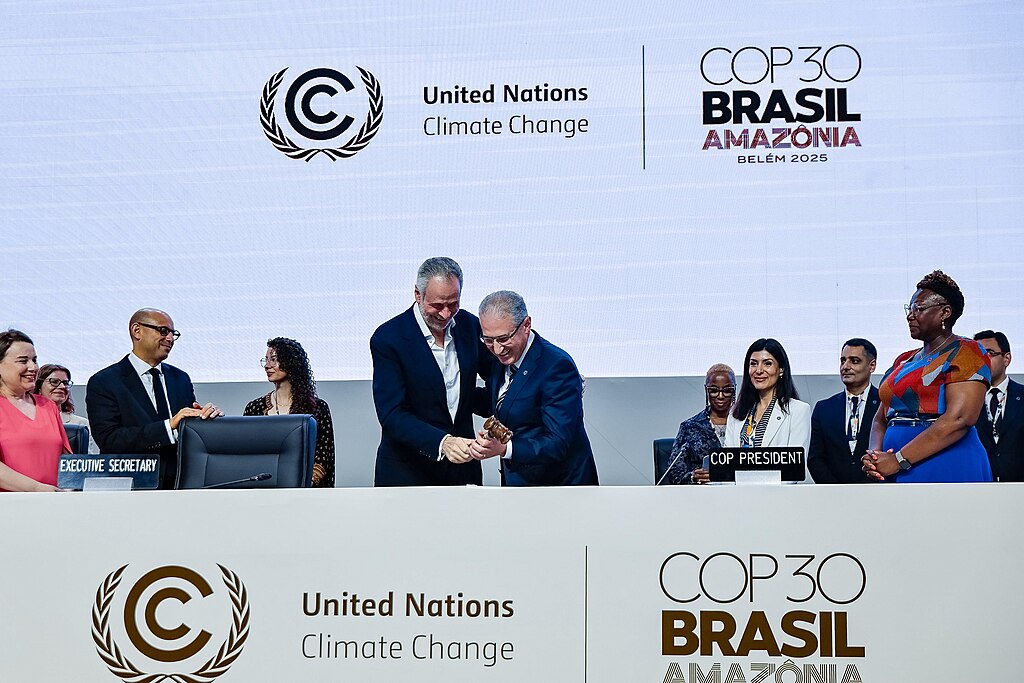
Brazil, host of the COP30 climate summit in Belem, urged global delegates to come together for a stronger climate agreement as negotiations stretched beyond their scheduled deadline. With nearly 200 countries attempting to reach consensus, discussions became gridlocked over whether the final deal should explicitly commit the world to moving away from fossil fuels—oil, gas, and coal—which remain the biggest drivers of global warming.
COP30 President André Corrêa do Lago appealed for cooperation, stressing that climate action must be a unifying global mission. But despite these calls, a revised draft released before dawn removed all references to fossil fuels, a decision that immediately reignited tensions. While more than 80 countries supported strong language on phasing down fossil fuels, major oil and gas producers opposed it, creating a sharp divide.
Panama’s negotiator warned that omitting fossil fuels would turn the summit into a “clown show,” emphasizing that failing to name the root cause of the climate crisis amounts to denial. Behind closed doors, members of the Arab Group—including Saudi Arabia and the UAE—told negotiators their energy sectors could not be targeted, cautioning that such proposals would collapse the talks.
The European Union also rejected the draft, with EU climate commissioner Wopke Hoekstra insisting that any agreement must include a clear shift from fossil fuels to clean energy. He signaled that the EU was willing to compromise on climate finance if emissions-related commitments were strengthened.
With the conference extending late into the night, the pressure to demonstrate global unity has intensified—especially since the U.S., under President Donald Trump, chose not to send an official delegation. Brazil noted that the absence of the world’s largest economy increases the need for strong multilateral cooperation.
The draft deal also proposes tripling global climate adaptation finance by 2030, though it remains unclear which countries or institutions would provide the funding. This uncertainty may frustrate vulnerable nations seeking firm commitments. Additionally, the text introduces a new dialogue on trade and climate, a move welcomed by nations like China but likely to raise concerns in the European Union, particularly regarding its carbon border policies.













