


 Fed’s Hammack Says Bond Yield Surge Is Not Driven by Inflation Fears
  RBA Hikes Interest Rate to 4.60% as Inflation Risks Rise
  Central Banks Could Buy 20,000 Tonnes of Gold: BofA
  Trump Eyes $54 Billion South Korean Investment in Alaska LNG
  Dollar Eases Near Two-Month High as Yen Rebounds
  U.S. Stock Futures Steady as AI, Rate Concerns Weigh
  RBA Says ASX Still Falls Short on Governance and Risk Controls
  BOJ Signals Faster Rate Hikes as Inflation Risks Grow
  Asian Currencies Mixed as Yen Weakens, RBA Hike Looms
  Global Central Banks Brace for More Rate Hikes as Inflation Risks Rise
  Gold Holds Near Seven-Week Low as Fed Rate Hike Bets Rise
  Gold Prices Slip as High Treasury Yields Weigh on Bullion


 Add as a preferred source on Google
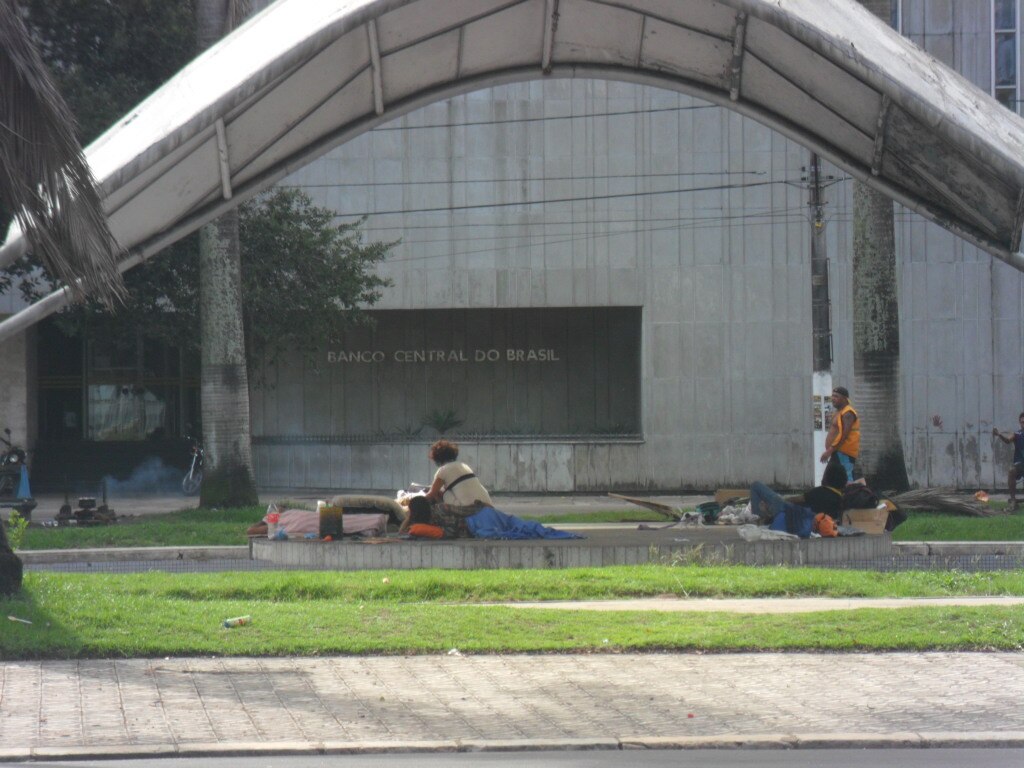
Brazil’s central bank kept its benchmark Selic interest rate unchanged at 15% on Wednesday, marking the second consecutive pause in monetary policy. The unanimous decision by the monetary policy committee (Copom) reflects a cautious stance as inflation trends gradually improve, but policymakers signaled rates may remain high for a prolonged period.
In its statement, the bank noted it will stay “vigilant” to ensure inflation converges to its 3% target, while keeping the option of further hikes if needed. The move follows the July halt in a tightening cycle that raised borrowing costs by 450 basis points since September 2024. Notably, Copom dropped language that referred to the pause as an “interruption,” signaling greater confidence in holding steady, though still wary of inflation risks.
Brazil’s economic growth is slowing as expected, but a resilient labor market adds to inflationary concerns. Forecasts for this year’s inflation were revised slightly down to 4.8% from 4.9%, while 2026 projections held at 3.6%. The key 12-month horizon for policy, now the first quarter of 2027, remains at 3.4%, disappointing markets that expected an improvement.
The Brazilian real’s 13% gain against the U.S. dollar this year has eased pressure on import prices. Analysts say the currency’s strength, coupled with the U.S. Federal Reserve’s rate cuts, should help curb inflation, boosting Brazil’s appeal for investors seeking high yields. Still, the central bank maintained a hawkish tone, suggesting rate cuts are unlikely in the short term.
Economists such as Rafaela Vitoria of Inter and Caio Megale of XP emphasize that monetary flexibility is more likely in early 2025, not before. For now, Brazil’s borrowing costs remain at their highest since 2006, with policymakers prioritizing inflation control over near-term growth.







