


 Rubio Approves $25.8 Billion Weapons Sale to Middle East Allies
  Australia Launches Public Hearings on Bondi Beach Shooting and Rising Antisemitism
  U.S. Sanctions Former DR Congo President Joseph Kabila Over Rebel Support
  Brazil Pension Fund Crackdown After Banco Master Collapse Raises Investment Concerns
  Shell Q1 Profit Surges to Two-Year High as Dividend Rises Despite War-Driven Debt Pressure
  Federal and State Authorities Conduct Widespread Fraud Raids Across Minnesota
  Hua Hong Semiconductor Stock Surges to Multi-Year High Amid AI Boom
  Judge Delays SEC Settlement With Elon Musk Over Twitter Stock Disclosure Case
  Orsted Q1 EBITDA Beats Expectations Despite U.S. Impairments
  Judge Rules Use of Military Lawyers in Civilian Prosecutions Is Lawful
  Trump Invites Top CEOs Including Nvidia, Apple, Boeing to China Summit With Xi Jinping
  Sony Forecasts Lower 2027 Profit Despite Strong Music and Sensor Growth
  AI-Driven Inflation Raises U.S. Consumer Prices, Goldman Sachs Says
  US Sanctions Target Iran’s Shadow Banking Network and Terror Financing
  Continental AG Shares Jump After Q1 Profit Beats Expectations
  China Banks Halt New Loans to Sanctioned Refineries Amid U.S.-Iran Oil Crackdown
  Nike Tariff Refund Lawsuit Sparks Consumer Backlash Over Price Increases


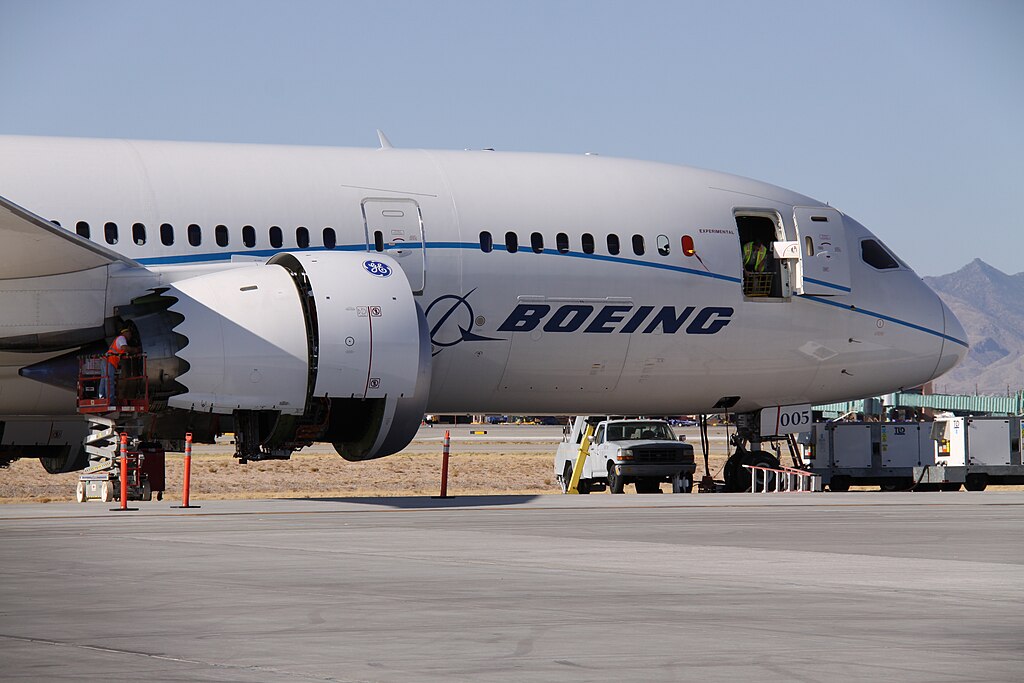
The U.S. Federal Aviation Administration (FAA) has approved Boeing’s 737 MAX 10, the largest variant of its best-selling single-aisle aircraft family, to advance to the second phase of flight testing, marking a significant step forward in the jet’s long-delayed certification process. The development, confirmed by a source familiar with the program, comes as Boeing works to regain momentum amid regulatory scrutiny and production challenges. Both Boeing and the FAA declined to comment publicly on the approval.
Boeing executives have repeatedly stated that they expect certification of both the 737 MAX 7 and MAX 10 to be completed this year. The MAX 10, in particular, is viewed as critical to the company’s financial recovery, with more than 1,200 aircraft orders currently in Boeing’s backlog, according to aviation analytics firm Cirium. Industry analysts widely agree that beginning deliveries of the MAX 10 is essential for boosting Boeing’s revenue and cash flow.
The certification process for the MAX 7 and MAX 10 has faced repeated delays due to an unresolved engine deicing issue. While the FAA has now cleared the MAX 10 to enter phase two of flight testing—covering avionics, propulsion systems, and other design elements—the deicing problem remains unresolved. Notably, the FAA’s latest approval does not apply to the smaller MAX 7 variant.
These delays come as Boeing also struggles with the prolonged certification of its widebody 777X jet. However, there has been some recent progress on the production front. In October, the FAA approved Boeing’s request to increase 737 MAX production to 42 aircraft per month, lifting a cap of 38 planes that had been in place since January 2024.
The 737 MAX 10 competes directly with Airbus’ A321neo, and prolonged delays risk further erosion of Boeing’s market share. Despite this, confidence remains among some customers. This week, Alaska Airlines placed an order for 105 MAX 10 aircraft, with CEO Ben Minicucci expressing optimism that certification will be achieved within the year.
While analysts caution that FAA approval for testing is not the same as certification, the move is seen as meaningful progress. Until certification is finalized, however, Boeing cannot begin full-scale production of the MAX 10 at its Everett, Washington facility, underscoring the high stakes tied to the program’s timeline.







