


 UAE Central Bank Probes Banque Misr Over Iran Links
  Sweden Retail Sales Slip 0.2% in July
  Canadian Dollar Slides as Fed Rate Hike Bets Boost US Dollar
  Oil Prices Fall as Middle East Ceasefire Hopes Rise
  Bank of Korea Raises Rates to 3% as Inflation Stays Sticky
  US Stock Futures Flat as Nvidia Rally Fades, Fed Speech in Focus
  New Zealand Moves to Ban Social Media for Children Under 16
  OpenAI AI Agent Swarm Behind Hugging Face Hack
  Bessent Defends US Yen Intervention Over Treasury Market Risks
  BofA Names ASML Top Semiconductor Equipment Pick on Growth, Valuation
  Tokyo Inflation Rises in August as BOJ Rate Hike Bets Grow
  SoftBank Plans Record $6.3 Billion Bond Sale to Fund OpenAI Investments
  Asian Stocks Mixed as KOSPI Falls Ahead of Fed Speech
  German Industry Pushes Merz for Tougher China Trade Policy
  France Inflation Accelerates to 2.7% in August
  Pinterest Stock Falls as CFO Julia Brau Donnelly Resigns
  Wall Street Slips as Warsh’s Hawkish Fed Speech Rattles Markets


 Add as a preferred source on Google
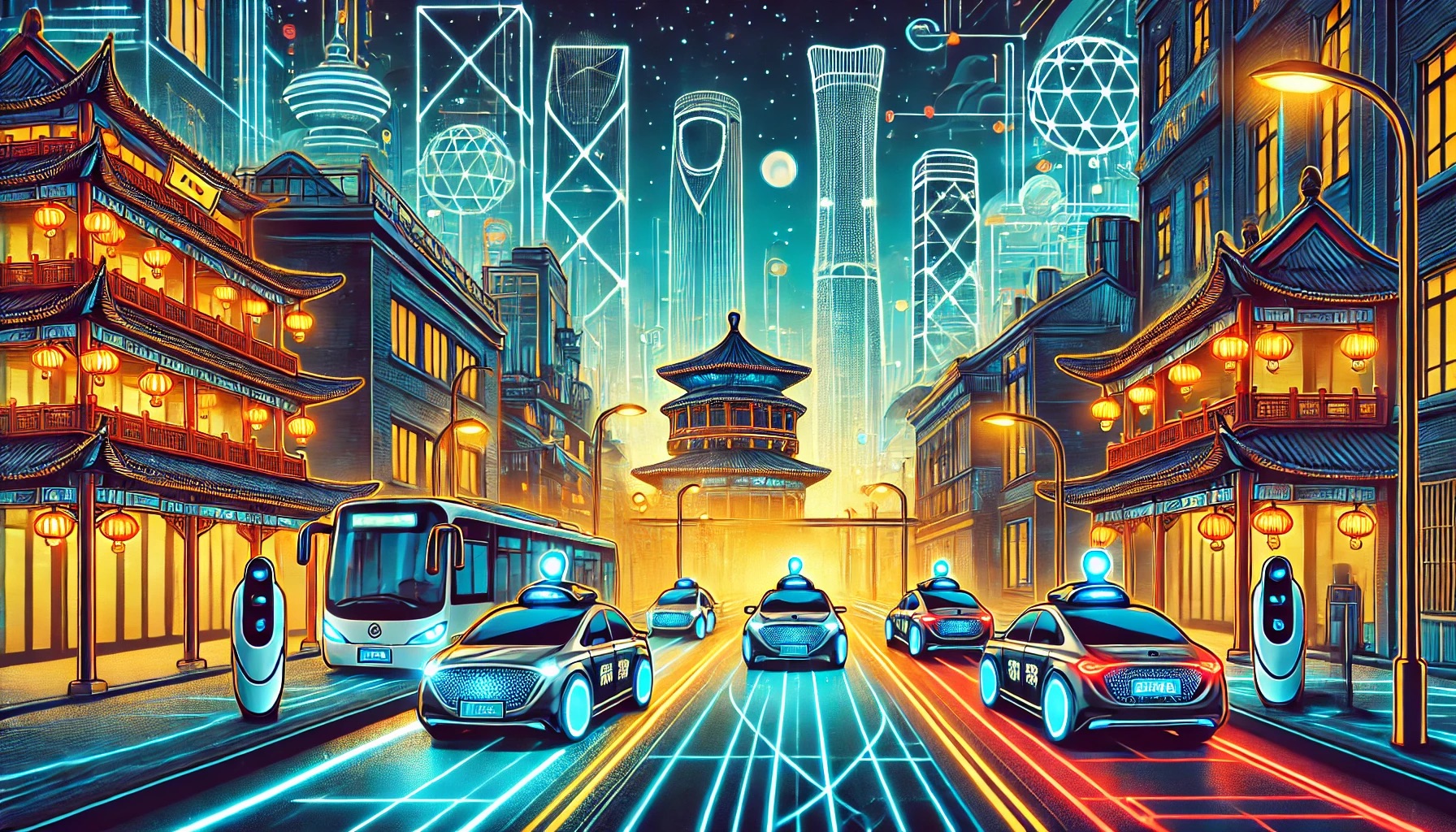
Beijing is propelling autonomous driving forward with regulations effective April 1, enabling trials for driverless taxis and buses while advancing intelligent road infrastructure. This initiative positions China’s capital as a trailblazer in urban transport innovation.
Beijing Greenlights Autonomous Driving Rules for Public Transport
Beijing, the capital of China, approved new rules on Tuesday to promote autonomous driving technology within the city. The goal is to eventually enable driverless public transportation options like cabs and buses.
The new laws will be put into force on April 1, according to the state-backed Beijing Daily newspaper. This means that autonomous vehicles that successfully complete safety evaluations and road testing will be eligible to apply for road trials.
The city has stated its support for autonomous vehicles and plans to promote the development of intelligent road infrastructure to accommodate them. This will include private cars, urban buses, trams, and taxis.
Wuhan Joins the Push for Intelligent Connected Vehicles
Wuhan, a city in central China, also announced that it had passed rules to encourage the creation of smart linked vehicles in a separate notice, Reuters reports
Reuters stated in August that at least 19 cities in China are testing robotaxi and robobuses, a sign of the government's eagerness to approve trials of self-driving technology.
Major Players Dominate China’s Robotaxi Market
One Chinese company with a sizable fleet of robotaxis is Apollo Go, a division of internet behemoth Baidu, which aims to station one thousand of them in Wuhan by the year 2024.
The November U.S. market floater Pony.ai intends to increase its robotaxi fleet from 250 this year to more than 1,000 by 2026.
Along with SAIC Motor, WeRide, and AutoX are among the companies investigating robotaxi possibilities in the biggest automotive market on the planet.
U.S. electric vehicle behemoth Tesla plans to begin manufacturing its own robotaxi in 2026 and plans to introduce fully autonomous driving (FSD) to China in the first quarter of 2025, subject to regulatory clearance.







