


 Ukraine-Russia Ceasefire Confirmed as Prisoner Swap Deal Advances
  Iran Military Readiness Intensifies After Meeting With Mojtaba Khamenei
  Trump-Xi Beijing Summit to Focus on Trade, Taiwan, and Boeing Deal
  Rubio Presses Italy Over Iran Support as Tensions Test U.S.-Italy Alliance
  Qatar LNG Tanker Crosses Strait of Hormuz Amid Iran War Tensions
  U.S.-China Beef Trade Deal Hopes Rise Ahead of Trump-Xi Summit
  Judge Rules DOGE Humanities Grant Cuts Unconstitutional
  Trump Inspects Lincoln Memorial Reflecting Pool Renovation in Washington
  Russian LNG Shadow Fleet Expands Amid Arctic LNG 2 Sanctions
  Malaysia Unveils Energy Security Plan Amid Iran Conflict and Rising Oil Costs
  TikTok Nears $400 Million Settlement With Trump Administration Over Child Privacy Lawsuit
  Pope Leo Calls for Peace as Vatican Seeks Better Ties With U.S.
  Germany Rejects Putin’s Proposal for Schroeder to Mediate Ukraine Peace Talks
  China-Made Fireworks Power U.S. Independence Day Celebrations Amid Trade Truce
  Russia Accuses Ukraine of Ceasefire Violations Amid Drone and Artillery Attacks
  Senate Stablecoin Bill Sparks Clash Between Banks and Crypto Industry
  Trump Announces Russia-Ukraine Ceasefire for May 9-11 Amid Ongoing Peace Talks


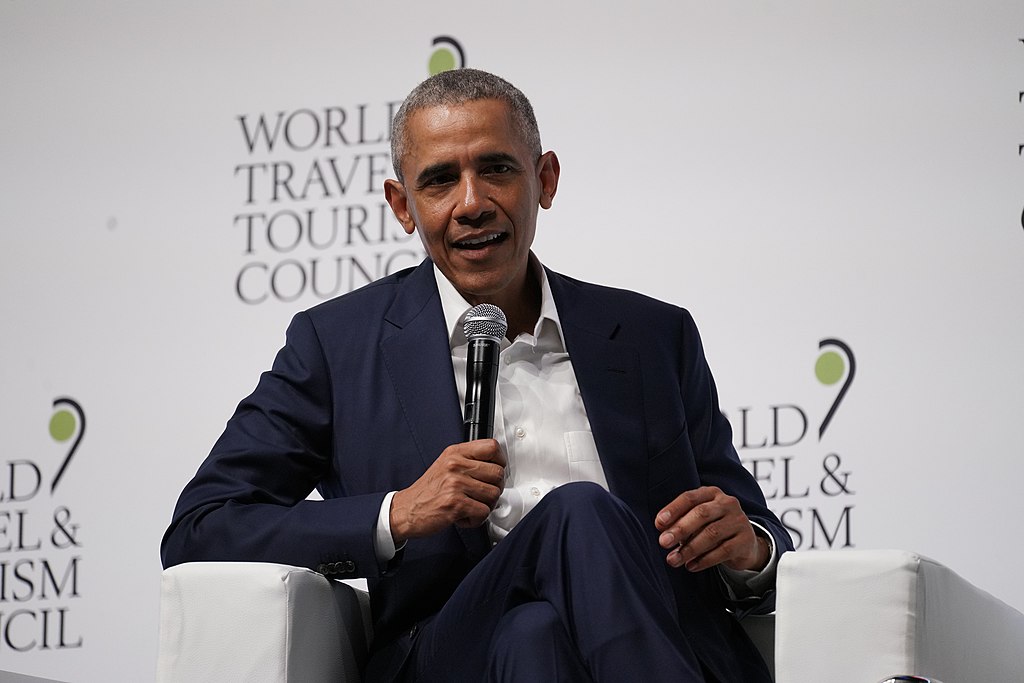
Former President Barack Obama refrained from endorsing Kamala Harris as the Democratic nominee following President Joe Biden's announcement to withdraw from the 2024 presidential race. Obama's statement emphasized that Democrats will identify an "outstanding nominee" to replace Biden, leaving the vice president's candidacy uncertain.
Obama, joined by former House Speaker Nancy Pelosi, did not immediately back Harris, reflecting a preference for an open process to replace Biden. Obama's comments underscored the challenges ahead for the Democratic Party as they navigate uncharted waters in selecting a new candidate, The New York Post reported.
Harris, whose approval ratings have lagged behind Biden's, has recently shown vigor as an administration spokesperson. However, some Democrats fear her candidacy could further diminish the party's chances against former President Donald Trump. Despite this, Harris praised Biden's leadership and expressed her intention to earn the nomination and unite the Democratic Party.
The Democratic Party now faces the task of rallying around a new candidate. While Harris has the experience and access to the campaign's fundraising network, her approval ratings remain a concern. Prominent figures like Bill and Hillary Clinton have endorsed Harris, but Obama’s decision to call for a broader process leaves the field open.
Other potential candidates include Governors Gretchen Whitmer, Gavin Newsom, and Josh Shapiro, though none have immediately backed Harris. Senator Richard Blumenthal and Senator Peter Welch have called for an open process to select Biden's replacement, reflecting broader concerns within the party.
As Democrats prepare for the upcoming convention, Harris' path to the nomination is fraught with challenges. Her experience and policy accomplishments under the Biden administration provide a strong foundation, but her approval ratings and public perception remain hurdles.
Obama's non-endorsement signifies a pivotal moment in the Democratic primary process, highlighting the party's need for a unifying figure capable of defeating Trump in the November election. The coming weeks will be crucial as the Democratic Party seeks to coalesce around a candidate who can lead them to victory.







