


 Gold Plunges 4% as Treasury Yields Surge and Fed Rate Hike Bets Rise
  BOJ Set for 25-Basis-Point Rate Hike as Yen Weakness Fuels Inflation
  Fed’s Hammack Says Bond Yield Surge Is Not Driven by Inflation Fears
  Dollar Hits Three-Month High as US Treasury Yields Surge
  Trump Eyes $54 Billion South Korean Investment in Alaska LNG
  Oil Prices Steady as Middle East Crude Flows Recover
  Asian Currencies Mixed as Yen Weakens, RBA Hike Looms
  Gold Rebounds as Oil Falls and Treasury Rout Eases
  South Korea Exports Set for 16th Monthly Gain on AI Chip Demand
  South Korea Exports Surge 83.5% on AI Chip Boom
  India Manufacturing Growth Hits Seven-Month High in September
  Australia Inflation Accelerates to 4% After RBA Rate Hike
  Fed’s Williams Signals One More Rate Hike Before Year-End


 Add as a preferred source on Google
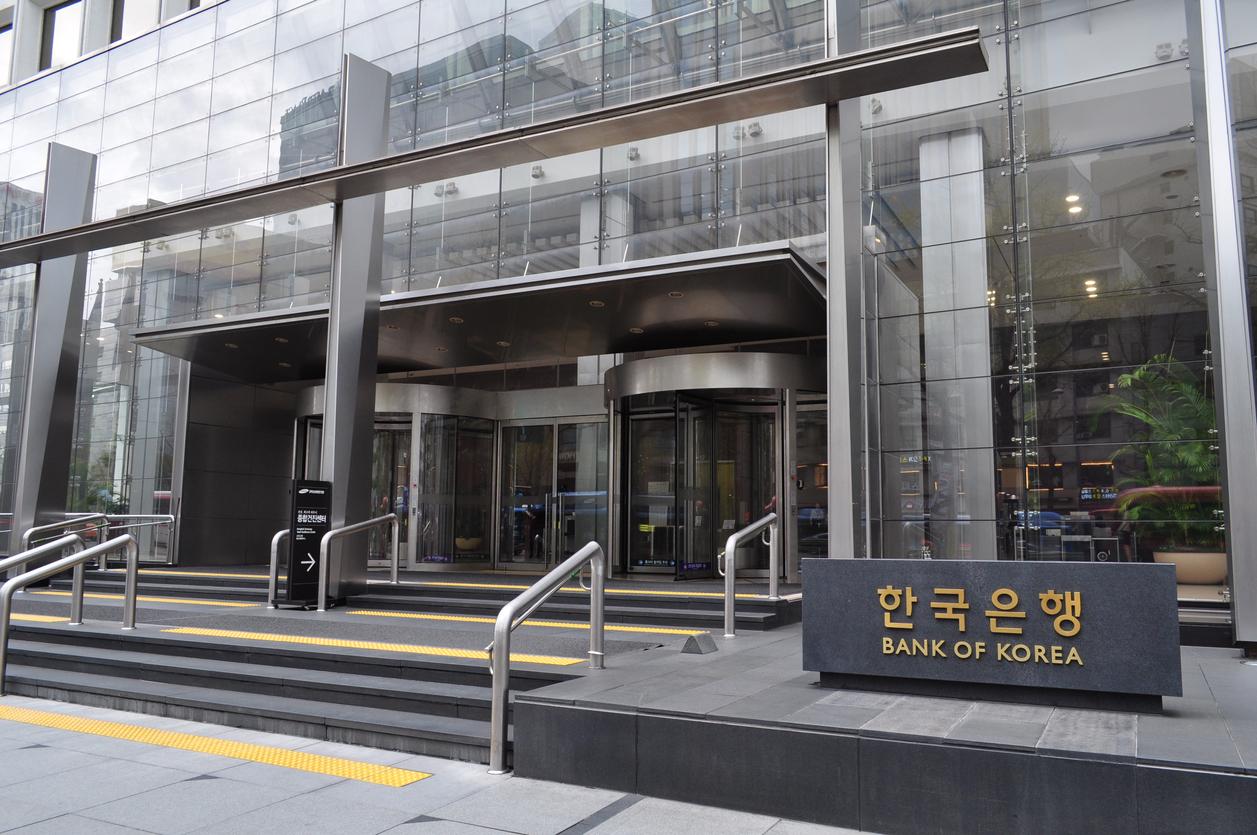
The Bank of Korea (BOK) is widely expected to cut its key interest rate by 25 basis points to 2.75% on Tuesday to support South Korea’s sluggish economy. A Reuters poll of 36 economists found that all but one anticipate the rate cut, with additional easing likely later this year.
After holding rates steady last month, the BOK signaled caution due to political uncertainties and currency volatility. However, with the Korean won rebounding 2.5% against the U.S. dollar this year and inflation at 2.2%, close to the central bank’s 2% target, policymakers now have room to stimulate growth.
South Korea’s economy, heavily reliant on semiconductor exports, faces mounting risks from weaker consumer sentiment, slowing exports, and geopolitical uncertainties. U.S. trade policies, particularly potential tariff actions, could further impact economic performance.
A strong majority of economists—32 out of 35—predict another 25-basis-point cut to 2.50% in Q2, followed by a possible reduction to 2.25% in Q3. Despite expectations that the U.S. Federal Reserve may cut rates only once in June, analysts believe the BOK has greater flexibility to ease monetary policy.
“The BOK is acknowledging the economy’s widening negative output gap,” said Stephen Lee, chief economist at Meritz Securities. “As long as FX volatility remains controlled, further rate cuts are likely.”
With growth expected to slow beyond the previously estimated 1.9% this year, the BOK is under pressure to act. Analysts expect rates to remain at 2.25% in Q4, aligning with earlier forecasts.
Market watchers will closely monitor the central bank’s policy stance as South Korea navigates economic headwinds.







