


 US Dollar Hits Two-Month High as Aussie, Pound Slide
  RBA Set for September Rate Hike as Inflation Stays High
  Japan Warns Markets Over Yen Weakness
  Trump Eyes $54 Billion South Korean Investment in Alaska LNG
  RBI Uses $10 Billion Currency Swaps to Drain Excess Rupee Liquidity
  Australia Budget Deficit Narrows to A$22.3 Billion on Stronger Tax Revenue
  Asian Currencies Weaken as Dollar, Oil Prices Rise
  Gold Holds Near Seven-Week Low as Fed Rate Hike Bets Rise
  Fed’s Williams Signals One More Rate Hike Before Year-End
  U.S. Stock Futures Steady as AI, Rate Concerns Weigh
  China, US Extend Trade Truce Through January 10 After Trump-Xi Summit
  US Alcohol Ban Exposes Canada’s Internal Trade Barriers
  China Industrial Profit Growth Slows as Weak Demand Offsets AI Gains
  Asian Stocks Fall as Bond Yields and Oil Prices Surge


 Add as a preferred source on Google
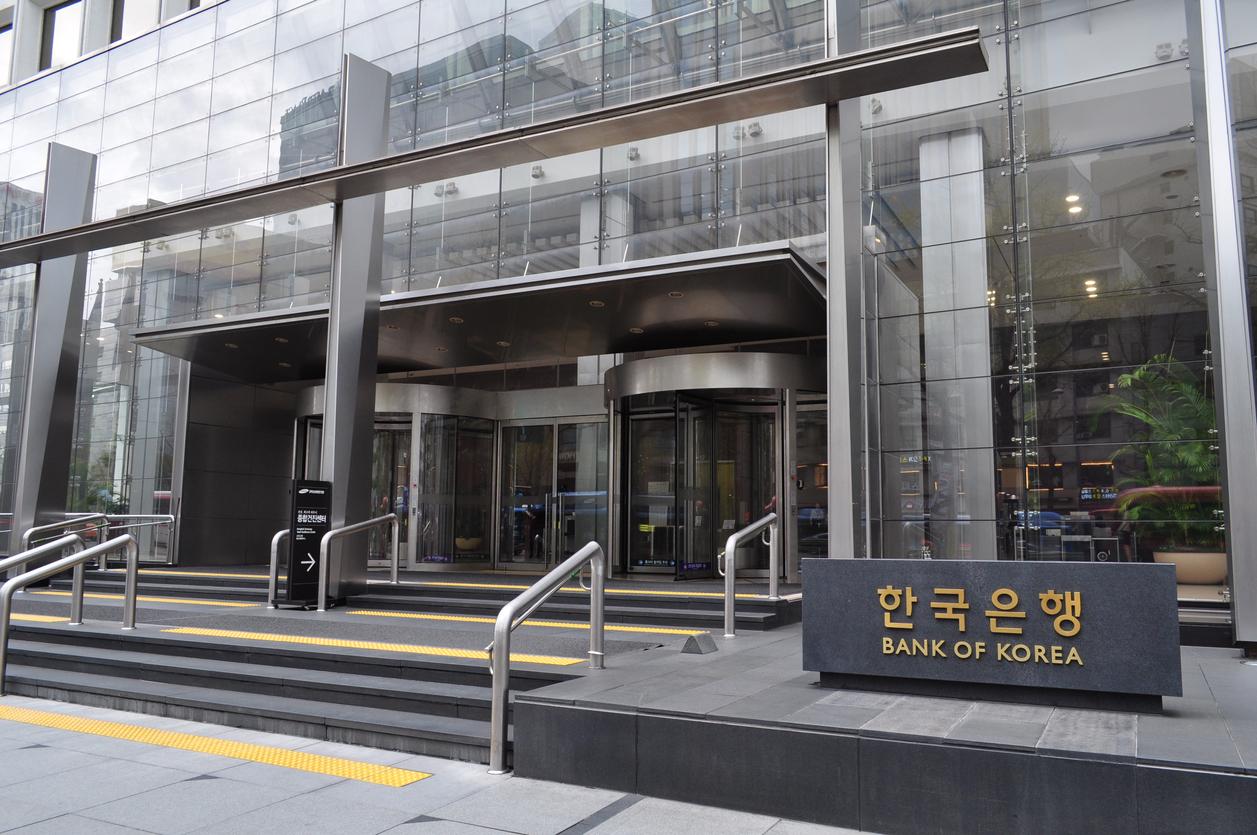
South Korea’s central bank has pushed back against claims that excessive domestic liquidity is the main driver behind the weakening won and rising residential property prices, calling such arguments an “overstatement.” In a report released Tuesday, the Bank of Korea (BOK) emphasized that other structural and external factors are playing a far greater role in shaping recent currency and asset market trends.
According to the BOK, movements in the exchange rate are being influenced more by increased overseas securities investment by South Korean residents and by export-oriented companies holding onto foreign currency earnings, rather than by loose liquidity conditions at home. These behaviors, the central bank said, have had a stronger impact on the won’s depreciation than the level of money circulating in the domestic financial system.
The BOK also addressed concerns over surging housing prices, particularly in Seoul. While acknowledging that liquidity has contributed to higher property values, the bank clarified that the price gains are being fueled largely by liquidity accumulated in the past that is now flowing into the real estate market. This, it noted, is different from a scenario in which fresh money supply is rapidly expanding and directly inflating asset prices.
The report follows the central bank’s decision in late November to keep interest rates unchanged for a fourth consecutive meeting. Policymakers opted for caution as the South Korean won fell to its weakest level in about 16 years, limiting the room for further monetary easing. At the same time, the BOK remains wary of financial stability risks stemming from persistently high housing prices in the capital region.
To help stabilize the currency, the Bank of Korea has taken targeted measures, including extending a currency swap agreement with the National Pension Service for another year. This move is designed to ease selling pressure on the won and support the dollar-won exchange rate.
Overall, the BOK stressed that current domestic liquidity conditions do not justify alarmist views linking them directly to currency weakness and asset price inflation, signaling a more nuanced assessment of South Korea’s economic challenges.







