


 China Cuts Tariffs on U.S. Farm Goods but Excludes Soybeans
  RBA Says ASX Still Falls Short on Governance and Risk Controls
  Japan Warns Markets Over Yen Weakness
  BlackRock’s Rick Rieder Favors Bonds Over Stocks as Treasury Yields Surge
  China Industrial Profit Growth Slows as Weak Demand Offsets AI Gains
  Gold Slides Below $4,300 as Oil Surge Fuels Fed Rate Hike Bets
  Asian Chip Stocks Tumble as OpenAI Safety Pause Sparks AI Growth Concerns
  Yen in Focus as BOJ, Fed Rate Hikes Reshape Currency Markets
  Europe’s AI Data Centre Boom Strengthens Case for Nuclear Power
  Fed Rate Hike Threatens Housing as U.S. Growth Leans on AI, Citi Says
  BOJ Set for 25-Basis-Point Rate Hike as Yen Weakness Fuels Inflation
  RBA Hikes Interest Rate to 4.60% as Inflation Risks Rise


 Add as a preferred source on Google
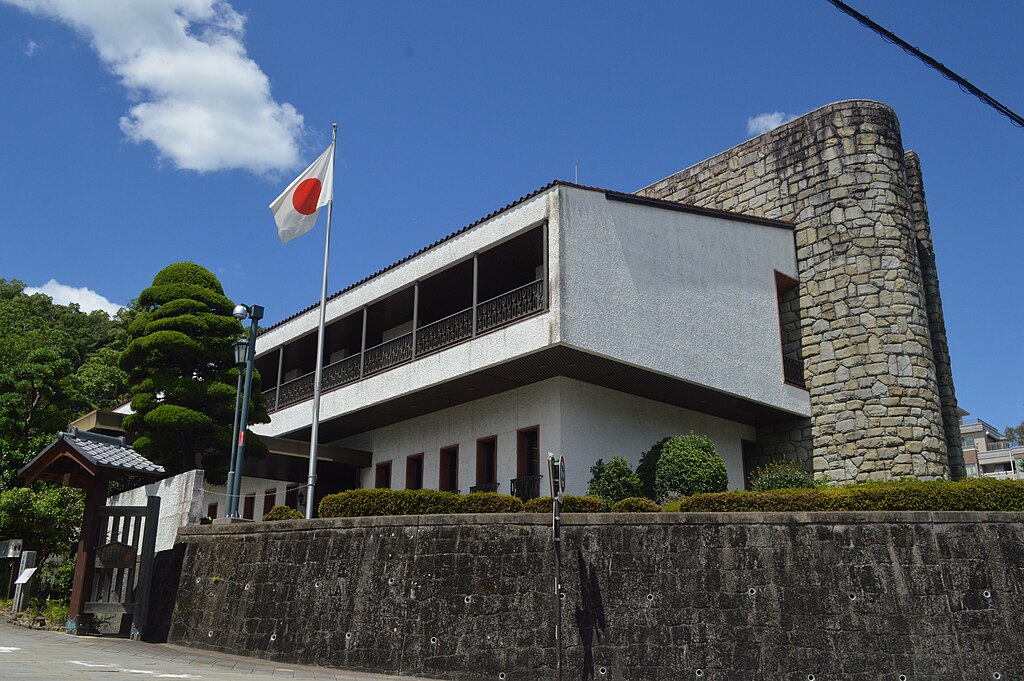
The Bank of Japan (BOJ) is increasingly expected to raise its key interest rate to 1.0% in June as policymakers face mounting inflation risks linked to rising energy prices and the continued weakness of the Japanese yen. According to a recent Reuters poll, nearly two-thirds of economists predict the BOJ will move forward with another rate hike as part of its ongoing monetary policy normalization strategy.
The central bank kept interest rates unchanged at 0.75% last month while monitoring the economic impact of the Iran conflict and volatile energy markets. However, growing concerns about inflation prompted three of the BOJ’s nine board members to oppose the decision and push for an immediate increase to 1.0%. Their stance highlighted increasing pressure on the central bank to address inflation fueled by higher import and fuel costs.
BOJ board member Kazuyuki Masu recently suggested that rates should rise soon if Japan avoids a significant economic slowdown. His comments strengthened market expectations that policymakers may act at the upcoming June meeting.
Economists surveyed by Reuters largely agree that the BOJ will continue tightening policy through 2026. Forecasts show interest rates potentially reaching 1.25% later this year and climbing to 1.50% next year. Analysts believe the central bank is under pressure to support the yen, which recently weakened beyond the 160-per-dollar level despite large-scale currency interventions by Japanese authorities.
A weaker yen continues to hurt Japan’s economy by increasing import costs and fueling inflation. Many experts argue that foreign exchange intervention alone cannot stabilize the currency without higher interest rates. Rising crude oil prices and persistently negative real interest rates are also adding to concerns that inflation may become more entrenched.
While some economists warn that geopolitical tensions and slowing consumer demand could delay further tightening, most believe inflation now poses a greater threat to Japan’s economy than weak domestic demand.







