


 Japanese Yen Retreats as Dollar Rises Ahead of Fed, BOJ Rate Decisions
  Fed Rate Hike Threatens Housing as U.S. Growth Leans on AI, Citi Says
  RBI Uses $10 Billion Currency Swaps to Drain Excess Rupee Liquidity
  Gold Prices Slip as High Treasury Yields Weigh on Bullion
  BOJ Set for 25-Basis-Point Rate Hike as Yen Weakness Fuels Inflation
  RBA Set for September Rate Hike as Inflation Stays High
  Oil Prices Jump Nearly 3% as Iran Holds Firm on Hormuz Conditions
  Yen Sinks as BOJ Rate Hike Fails to Impress Markets
  South Korea Exports Set for 16th Monthly Gain on AI Chip Demand
  ECB May Stop Rate Hikes After December, Capital Economics Says
  Gold Holds Near Seven-Week Low as Fed Rate Hike Bets Rise
  India Manufacturing Growth Hits Seven-Month High in September
  Asian Stocks Rise as Bond Yields Ease Ahead of U.S. Inflation Data
  Central Banks Could Buy 20,000 Tonnes of Gold: BofA


 Add as a preferred source on Google
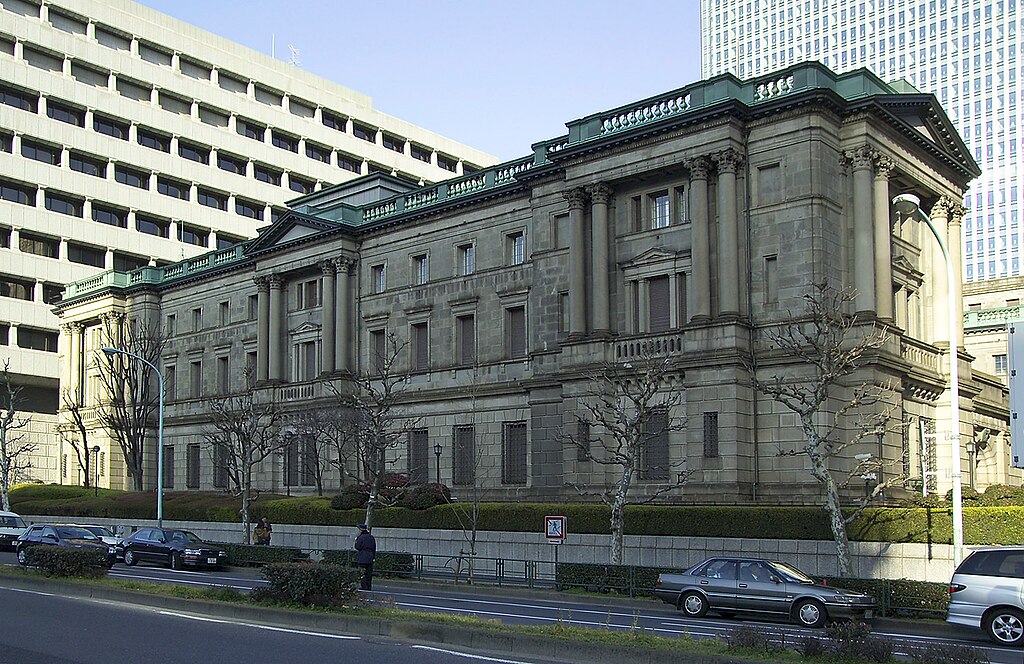
The Bank of Japan (BOJ) is expected to take a key step toward policy normalization by potentially reducing purchases of super-long Japanese government bonds (JGBs) in its upcoming April-June bond-buying plan, analysts say.
Under its quantitative tightening (QT) plan introduced in July 2023, the BOJ has been cutting bond purchases by 400 billion yen per quarter, aiming to halve monthly purchases to 3 trillion yen by March 2026. While the central bank has focused on tapering benchmark 10-year bonds, it has so far refrained from reducing purchases of longer-term bonds—those maturing in 10 to 25 years.
That could change soon. With progress in reducing short-term bond buying, the BOJ is now poised to start trimming super-long bond purchases from April. Analysts like Katsutoshi Inadome of Sumitomo Mitsui Trust Asset Management believe the move would signal a full-fledged shift in the BOJ’s QT strategy, likely sparking a sell-off in that bond category.
Currently, the BOJ purchases 4.5 trillion yen in JGBs monthly, with 450 billion yen allocated to super-long maturities. The central bank, which owns nearly half of all outstanding JGBs—about 600 trillion yen, roughly the size of Japan’s GDP—raised its short-term policy rate to 0.5% in January 2025 and is prepared for further hikes if inflation continues to meet projections.
Despite rising market yields, including a 15-year high of 1.59% on 10-year JGBs, the BOJ remains committed to gradual tapering. The April-June bond-buying schedule will be announced Monday, with a detailed breakdown by maturity.
The current QT plan runs through March 2026, and a new tapering framework beyond that will be decided in June.







