


 RBA Set for September Rate Hike as Inflation Stays High
  Australia Budget Deficit Narrows to A$22.3 Billion on Stronger Tax Revenue
  BOJ Set for 25-Basis-Point Rate Hike as Yen Weakness Fuels Inflation
  Japan Warns Markets Over Yen Weakness
  Central Banks Could Buy 20,000 Tonnes of Gold: BofA
  U.S. Stock Futures Steady as AI, Rate Concerns Weigh
  XRP Price Targets $1.70 as Bullish Momentum Builds
  Fed Rate Hike Threatens Housing as U.S. Growth Leans on AI, Citi Says
  Yen in Focus as BOJ, Fed Rate Hikes Reshape Currency Markets
  Global Central Banks Brace for More Rate Hikes as Inflation Risks Rise


 Add as a preferred source on Google
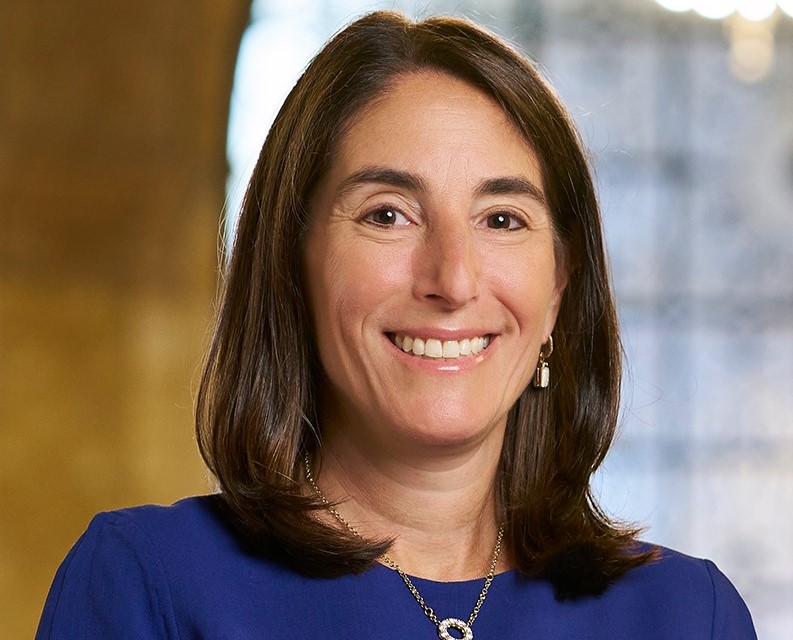
Cleveland Federal Reserve President Beth Hammack signaled that the U.S. central bank may consider tighter monetary policy later in 2026 if progress on inflation slows, even as signs of a cooling labor market complicate the Federal Reserve’s dual mandate of maintaining price stability and maximum employment.
Speaking on Friday, Hammack noted that while inflation is expected to gradually ease, the Fed could become “more restrictive” if price pressures fail to move closer to the central bank’s 2% target during the second half of 2026. Her comments highlight the delicate balance policymakers must manage as economic conditions shift.
The U.S. Dollar Index slipped 0.16% to 99.15 during afternoon trading, while the 10-year Treasury yield settled around 4.131% following a weaker-than-expected February employment report. The Fed currently holds its benchmark interest rate between 3.5% and 3.75% after pausing rate adjustments in January.
Recent labor market data added uncertainty to the Fed’s policy outlook. The U.S. economy unexpectedly lost 92,000 jobs in February, pushing the unemployment rate higher to 4.4%. The sharp drop in payrolls marks one of the biggest reversals in employment trends since last year and signals potential cooling in economic activity.
At the same time, rising energy prices are creating renewed inflation risks. Crude Oil WTI futures have surged more than 21% since the beginning of joint U.S.-Israeli military operations in the Middle East, raising concerns that higher gasoline prices could push inflation expectations higher and complicate the Fed’s policy decisions.
Hammack emphasized that policymakers are still evaluating the magnitude and persistence of the oil price shock. The Federal Reserve will assess whether the spike in energy costs slows economic growth and hiring before determining its next steps at the upcoming March 17–18 Federal Open Market Committee meeting.
Beyond interest rate policy, Hammack also addressed financial stability risks, particularly within the growing private credit market. While she said there are no immediate systemic threats, she noted that regulators continue to monitor developments closely.
She also defended existing banking regulations, arguing that post-crisis reforms strengthened the financial system and helped banks remain resilient during the pandemic and recent periods of market stress.
According to market expectations tracked by the Investing.com Fed Rate Monitor Tool, investors currently assign a 97% probability that the Federal Reserve will keep interest rates unchanged at its March meeting. Policymakers are expected to weigh the risks of slowing job growth against persistent inflation pressures, particularly those tied to rising global energy costs.







