


 US Dollar Hits Two-Month High as Aussie, Pound Slide
  South Korea Exports Set for 16th Monthly Gain on AI Chip Demand
  Nvidia China Chip Sales Report Sends Chinese Semiconductor Stocks Lower
  Japan Warns Markets Over Yen Weakness
  Global Central Banks Brace for More Rate Hikes as Inflation Risks Rise
  Asian Chip Stocks Tumble as OpenAI Safety Pause Sparks AI Growth Concerns
  BOJ Set for 25-Basis-Point Rate Hike as Yen Weakness Fuels Inflation
  XRP Price Targets $1.70 as Bullish Momentum Builds
  Central Banks Could Buy 20,000 Tonnes of Gold: BofA
  US Alcohol Ban Exposes Canada’s Internal Trade Barriers
  U.S. Stock Futures Fall as Iran, Oil and AI Risks Rattle Markets
  US Stocks Slip as Treasury Yields Ease, AI Trade Rebounds
  RBI Uses $10 Billion Currency Swaps to Drain Excess Rupee Liquidity
  China, US Extend Trade Truce Through January 10 After Trump-Xi Summit
  Gold Holds Near Seven-Week Low as Fed Rate Hike Bets Rise


 Add as a preferred source on Google
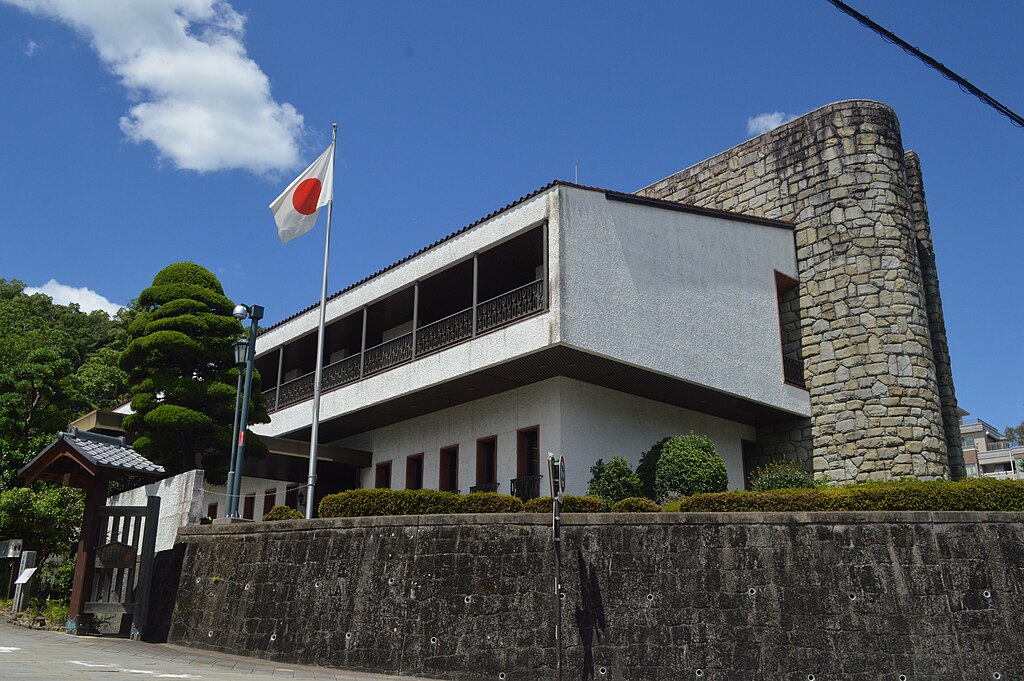
Investors hoping the Bank of Japan will reveal clearer guidance on how high interest rates might rise may be disappointed, according to several former BOJ officials. Governor Kazuo Ueda’s recent hawkish tone has pushed markets to nearly fully price in a December rate hike from 0.5% to 0.75%. His comments about offering more insight into how far the policy rate is from the “neutral rate”—the level that neither stimulates nor slows economic growth—have intensified market speculation about Japan’s future rate path.
Currently, the BOJ estimates Japan’s nominal neutral rate to fall somewhere between 1% and 2.5%. A hike to 0.75% would bring the policy rate close to the lower boundary of that range, prompting some analysts to predict the central bank will revise its estimate upward. Such a move could signal that Japan still has room to raise rates without harming economic momentum.
However, former BOJ insiders believe the central bank will avoid releasing any precise figures. Seisaku Kameda, formerly the BOJ’s top economist, said Ueda may hint at where within the range the neutral rate sits but will avoid specific commitments. He emphasized the importance of “constructive ambiguity,” allowing the BOJ flexibility amid high uncertainty.
Ayako Fujita, a former BOJ official and now JPMorgan’s chief Japan economist, expects the bank to reinforce that 1% represents only the lower end of the neutral rate and that the true level could be higher. She suggested the BOJ may want markets to assume a neutral rate closer to 1.5%, though communicating this without triggering volatility will be challenging.
Other central banks also avoid defining a clear neutral rate because it is difficult to measure and shifts with economic conditions such as productivity trends. Some market participants argue the BOJ must remain hawkish to prevent renewed yen depreciation, but former BOJ staffer Nobuyasu Atago warns that overly aggressive signals could spark a sharp spike in bond yields.







