


 Bank of Japan Officials Signal Continued Interest Rate Hikes Amid Inflation Concerns
  Gold Prices Surge on U.S.-Iran Ceasefire Reports
  Gold Prices Climb as Middle East Ceasefire Talks Stir Market Optimism
  Asian Currencies Stay Muted as Dollar Holds Firm Amid Iran Uncertainty
  Gold is meant to be a ‘safe haven’ in uncertain times. Why is it crashing amid a war?
  Middle East War Rattles Global Markets as Oil Tops $100 and Dollar Surges
  Bank of Japan Eyes April Rate Hike Despite Inflation Dip, ING Says
  Wall Street Slides as Iran War Uncertainty, Oil Surge, and AI Fears Rattle Markets
  Oil Prices Rebound as Iran Denies U.S. Talks Amid Gulf War Supply Fears
  Suspicious Oil Market Trades Precede Trump's Iran Peace Post by 15 Minutes
  Federal Reserve Balance Sheet Reduction: Brookings Research Outlines Possible Path Forward
  Japan Eyes Oil Futures Intervention to Stabilize Yen Amid Middle East Crisis
  Japan's Private Sector Growth Slows in March Amid Rising Costs and Middle East Uncertainty
  Asian Markets Rally as Oil Prices Tumble and Middle East Peace Hopes Emerge
  Oil Prices Climb as Iran Reviews U.S. Peace Proposal Amid Middle East Tensions


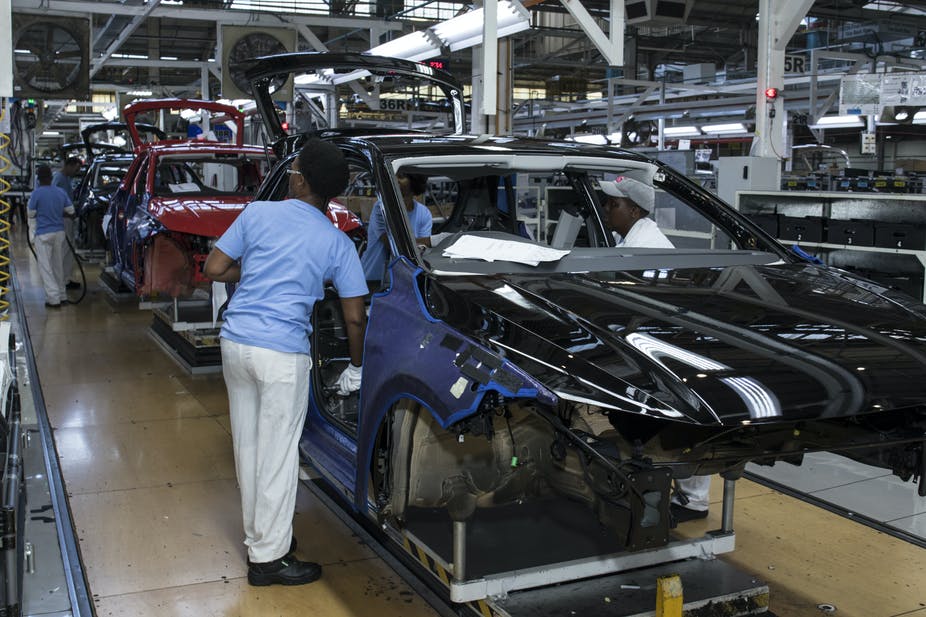
Global automakers are in crisis mode as China tightens export controls on rare-earth magnets, a critical component in modern vehicles. Frank Eckard, CEO of German magnet maker Magnosphere, reports a flood of desperate calls from auto and parts manufacturers fearing factory shutdowns by mid-July. With China controlling over 90% of rare-earth magnet production, companies are struggling to find alternatives.
The auto industry is facing what could become its third major supply chain shock in five years—after the 2020 COVID-19 lockdowns and the 2021–2023 semiconductor shortage. Despite previous lessons, industry leaders like Eckard believe little has changed, as firms remain dangerously reliant on Chinese supply chains.
Rare-earth magnets are essential for electric motors, sensors, pumps, and speakers found in both electric and combustion-engine vehicles. The average EV uses around 0.5 kg of rare earth elements, double that of a gasoline car. CLEPA, Europe’s automotive supplier association, warns that plant shutdowns are already underway.
Efforts to reduce dependence on China are in motion. Automakers like GM, BMW, and suppliers such as ZF and Aptiv are investing in rare-earth-free technologies, but most alternatives are years from large-scale production. The EU’s Critical Raw Materials Act and initiatives from companies like Heraeus, Niron, and Warwick Acoustics are promising, but scaling remains a challenge.
In the short term, automakers are scrambling to secure export permits and build stockpiles. Analysts warn the crisis could lead to unfinished cars parked indefinitely, echoing the semiconductor shortage. With China also dominating global supply of other key materials like graphite and manganese, experts say this is a wake-up call for the industry’s overreliance on one supplier.







