


 U.S. Stock Futures Edge Higher as Tech Rout Deepens on AI Concerns and Earnings
  South Korea Assures U.S. on Trade Deal Commitments Amid Tariff Concerns
  Gold and Silver Prices Rebound After Volatile Week Triggered by Fed Nomination
  South Korea’s Weak Won Struggles as Retail Investors Pour Money Into U.S. Stocks
  U.S. Stock Futures Slide as Tech Rout Deepens on Amazon Capex Shock
  China Extends Gold Buying Streak as Reserves Surge Despite Volatile Prices
  Asian Markets Slip as AI Spending Fears Shake Tech, Wall Street Futures Rebound
  Global Markets Slide as AI, Crypto, and Precious Metals Face Heightened Volatility
  RBI Holds Repo Rate at 5.25% as India’s Growth Outlook Strengthens After U.S. Trade Deal
  Thailand Inflation Remains Negative for 10th Straight Month in January
  Dollar Near Two-Week High as Stock Rout, AI Concerns and Global Events Drive Market Volatility
  Japanese Pharmaceutical Stocks Slide as TrumpRx.gov Launch Sparks Market Concerns
  Asian Stocks Slip as Tech Rout Deepens, Japan Steadies Ahead of Election
  U.S.-India Trade Framework Signals Major Shift in Tariffs, Energy, and Supply Chains
  Trump Lifts 25% Tariff on Indian Goods in Strategic U.S.–India Trade and Energy Deal
  Trump Signs Executive Order Threatening 25% Tariffs on Countries Trading With Iran


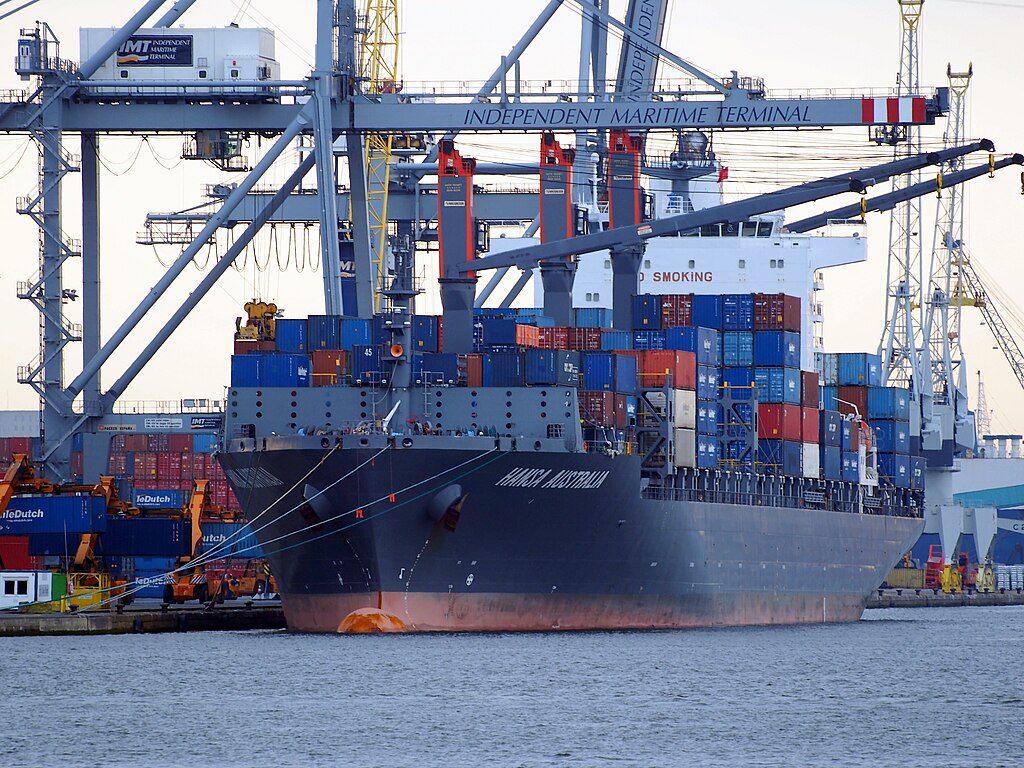
Australia’s trade surplus grew in January but fell short of forecasts, as steady imports countered a surge in exports driven by rising gold demand. According to the Australian Bureau of Statistics, the trade surplus rose to A$5.62 billion from December’s A$4.92 billion, below expectations of A$5.85 billion.
Exports climbed 1.3%, outpacing December’s 1.2% increase, fueled by strong demand for non-monetary gold amid global economic uncertainty. The ongoing trade wars have heightened investor interest in gold, boosting Australia’s exports. Meanwhile, imports dipped 0.3% in January, reversing the previous month’s 5.9% jump. The decline was largely due to reduced demand for capital goods, particularly civil aircraft.
Despite the positive export growth, the lower-than-expected trade surplus suggests external pressures continue to shape Australia’s trade landscape. Investors and policymakers will closely monitor these trends as global economic conditions evolve.













