


 Oil Prices Rebound as Iran Denies U.S. Talks Amid Gulf War Supply Fears
  Wall Street Slides as Iran War Uncertainty, Oil Surge, and AI Fears Rattle Markets
  Middle East War Rattles Global Markets as Oil Tops $100 and Dollar Surges
  Australia-EU Free Trade Deal Signed After Years of Negotiations
  ECB Eyes Rate Hike Amid Iran Conflict-Driven Energy Price Surge
  Bank of Japan Eyes April Rate Hike Despite Inflation Dip, ING Says
  Suspicious Oil Market Trades Precede Trump's Iran Peace Post by 15 Minutes
  Asian Currencies Stay Muted as Dollar Holds Firm Amid Iran Uncertainty
  Gold Prices Surge on U.S.-Iran Ceasefire Reports
  Asian Stocks Gain Amid Iran Conflict Uncertainty
  Iran-Israel Missile Strikes Continue Amid Mixed Signals on U.S.-Iran Diplomacy
  Australia's Inflation Eases in February but Core Pressures Persist
  WTO Reform Talks Begin in Cameroon Amid Global Trade Tensions
  UK Consumer Confidence Weakens Amid Middle East Conflict and Rising Living Costs
  Oil Prices Climb as Iran Reviews U.S. Peace Proposal Amid Middle East Tensions
  Japan Eyes Oil Futures Intervention to Stabilize Yen Amid Middle East Crisis


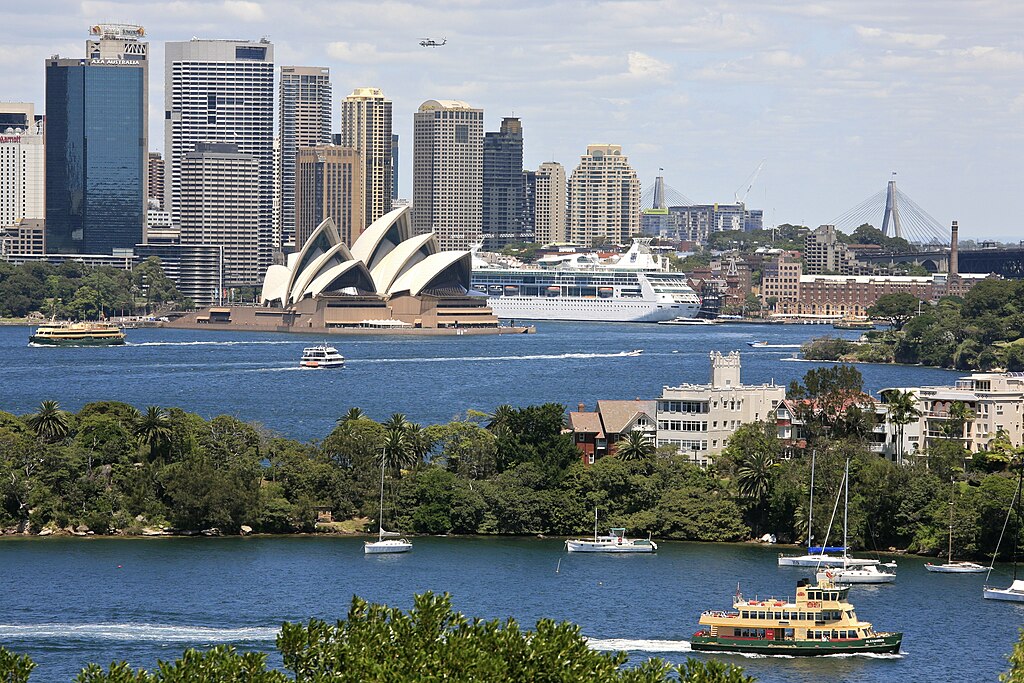
Australia’s economy underperformed expectations in Q1 2025, with GDP rising just 1.3% year-on-year, according to the Australian Bureau of Statistics. The figure was below the forecasted 1.5% and matched the growth seen in the previous quarter. On a quarterly basis, GDP rose only 0.2%, trailing the anticipated 0.4% and marking a slowdown from Q4’s 0.6% increase.
Several factors contributed to the weak performance. Domestic spending remained soft, with household consumption growing more slowly than before. Public sector spending was largely flat, offering little support to growth. Additionally, extreme weather—cyclones and wildfires—negatively impacted key sectors such as mining, tourism, and shipping.
Exports were another major drag. Disruptions caused by weather were compounded by trade tensions between the U.S. and China, two of Australia’s largest export markets. These issues were flagged earlier this week by poor current account figures and weak contributions from net exports. Businesses also reported a decline in gross operating profits.
Although tensions between Washington and Beijing began easing in May, which may support a stronger Q2 rebound, the Reserve Bank of Australia (RBA) remains cautious. In its May meeting, the RBA warned of slower economic growth amid persistent global trade uncertainty.
The sluggish Q1 performance increases the likelihood of further monetary easing. The RBA has already implemented 50 basis points in rate cuts this year, and continued economic softness could prompt additional action to support growth.
Despite the current slowdown, economists still expect a gradual recovery in 2025, driven by improved global conditions and potential policy support. However, near-term risks remain elevated, particularly in trade and weather-related disruptions.













