


 Currency Markets Show Caution Amid U.S.-Iran Negotiations
  Gold Prices Climb as Middle East Ceasefire Talks Stir Market Optimism
  Asian Stocks Gain Amid Iran Conflict Uncertainty
  Asian Currencies Stay Muted as Dollar Holds Firm Amid Iran Uncertainty
  Trump Tariffs Show Minimal Economic Impact but Boost Federal Revenue, Study Finds
  Suspicious Oil Market Trades Precede Trump's Iran Peace Post by 15 Minutes
  Oil Prices Rebound as Iran Denies U.S. Talks Amid Gulf War Supply Fears
  Gold Prices Surge on U.S.-Iran Ceasefire Reports
  WTO Reform Talks Begin in Cameroon Amid Global Trade Tensions
  U.S. Stock Futures Steady as Iran Reviews U.S. Ceasefire Proposal
  Oil Prices Climb as Iran Reviews U.S. Peace Proposal Amid Middle East Tensions
  Japan Eyes Oil Futures Intervention to Stabilize Yen Amid Middle East Crisis
  Iran-Israel Missile Strikes Continue Amid Mixed Signals on U.S.-Iran Diplomacy
  Federal Reserve Balance Sheet Reduction: Brookings Research Outlines Possible Path Forward
  U.S. Futures Slide as Iran Denies Nuclear Talks with Washington
  U.S. Oil Prices Slide as Middle East Ceasefire Talks Spark Market Optimism


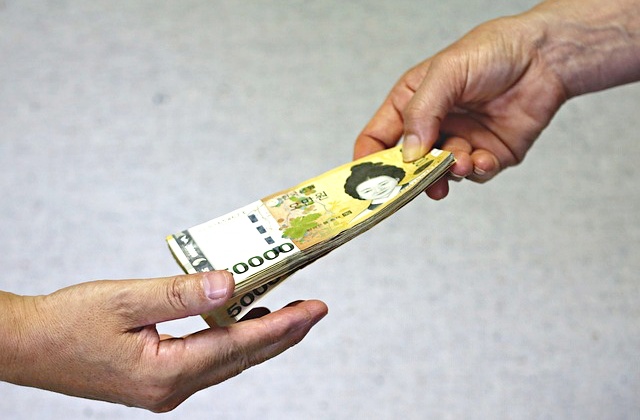
Asian currencies traded in narrow ranges on Tuesday as investors remained cautious ahead of a potential U.S. government shutdown, while the Australian dollar gained ground after the Reserve Bank of Australia (RBA) held interest rates steady at 3.60%.
The U.S. Dollar Index, which tracks the greenback against a basket of major currencies, edged 0.1% higher, with Dollar Index Futures remaining flat in early Asian trading. Investors largely avoided big moves as markets await critical U.S. economic updates and clarity on the Federal Reserve’s policy outlook.
The RBA’s decision to pause rate adjustments came after three consecutive cuts earlier in 2025. Officials highlighted the need for more data on inflation and the labor market before shifting policy again, underscoring a data-dependent approach. The move pushed the Australian dollar’s AUD/USD pair 0.5% higher, reflecting renewed market confidence.
Meanwhile, uncertainty looms in Washington as Congress faces a deadline to approve funding and prevent a partial government shutdown. A shutdown could delay the release of crucial economic reports, including Friday’s non-farm payrolls—a key indicator for Federal Reserve decision-making. Upcoming U.S. data this week includes the Job Openings and Labor Turnover Survey (JOLTS), weekly jobless claims, and payroll numbers.
Elsewhere in Asia, most regional currencies remained steady. The Japanese yen’s USD/JPY pair held flat, the Singapore dollar’s USD/SGD edged up 0.1%, the South Korean won gained 0.2%, while the Indian rupee and Chinese yuan showed little movement.
Economic data also weighed on sentiment. Japan reported a 1.2% drop in factory output for August, marking the second straight month of decline, alongside the sharpest retail sales fall in four years. In China, official PMI data showed manufacturing activity contracting for a sixth consecutive month, though a private RatingDog survey signaled an improvement driven by stronger orders and exports.
Overall, traders remain cautious, balancing regional economic weakness with global uncertainties, particularly the looming U.S. government shutdown and its impact on key economic data releases.













