


 Federal Judge Restores Funding for Gateway Rail Tunnel Project
  South Korea Assures U.S. on Trade Deal Commitments Amid Tariff Concerns
  U.S. to Begin Paying UN Dues as Financial Crisis Spurs Push for Reforms
  Trump Endorses Japan’s Sanae Takaichi Ahead of Crucial Election Amid Market and China Tensions
  Netanyahu to Meet Trump in Washington as Iran Nuclear Talks Intensify
  Trump’s Inflation Claims Clash With Voters’ Cost-of-Living Reality
  India–U.S. Interim Trade Pact Cuts Auto Tariffs but Leaves Tesla Out
  Trump Allows Commercial Fishing in Protected New England Waters
  Trump Backs Nexstar–Tegna Merger Amid Shifting U.S. Media Landscape
  China Warns US Arms Sales to Taiwan Could Disrupt Trump’s Planned Visit
  U.S.-India Trade Framework Signals Major Shift in Tariffs, Energy, and Supply Chains
  U.S. Lawmakers to Review Unredacted Jeffrey Epstein DOJ Files Starting Monday
  Trump Lifts 25% Tariff on Indian Goods in Strategic U.S.–India Trade and Energy Deal
  Norway Opens Corruption Probe Into Former PM and Nobel Committee Chair Thorbjoern Jagland Over Epstein Links
  Japan Election 2026: Sanae Takaichi Poised for Landslide Win Despite Record Snowfall
  Ohio Man Indicted for Alleged Threat Against Vice President JD Vance, Faces Additional Federal Charges


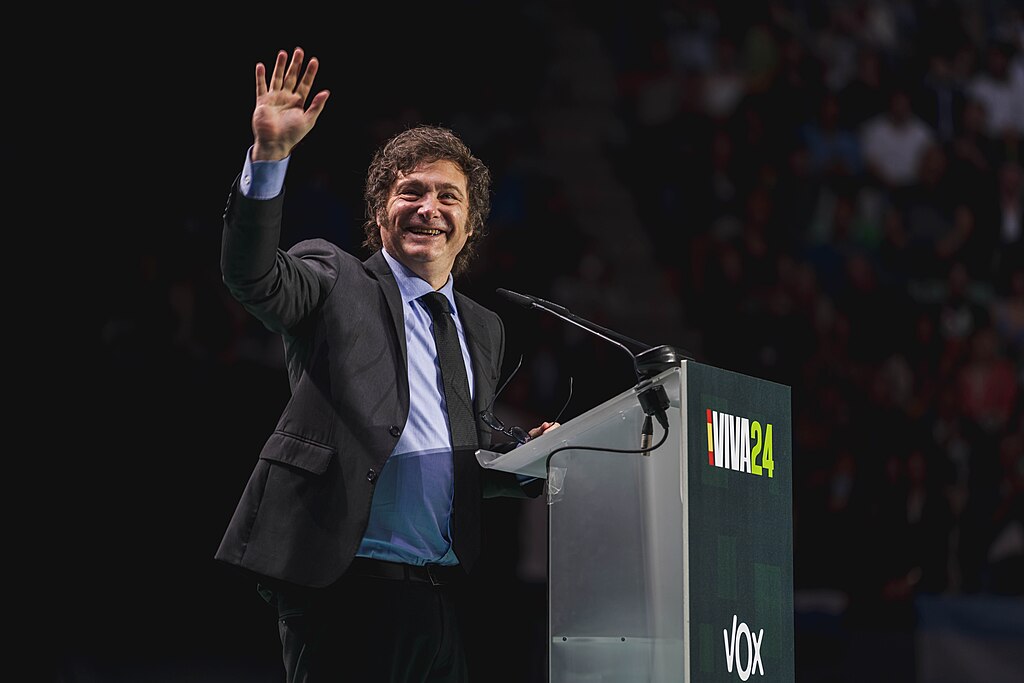
Argentina heads to the polls this Sunday in a midterm election widely viewed as a referendum on President Javier Milei’s economic “shock therapy” and his commitment to fiscal austerity. The libertarian leader’s sweeping reforms have curbed inflation and delivered a rare fiscal surplus, drawing praise from investors and U.S. President Donald Trump, whose administration recently offered Argentina a $20 billion currency swap lifeline. However, Milei’s approval rating has dropped below 40%, signaling public fatigue with the painful cost of his economic overhaul.
Voters will decide half of the Chamber of Deputies’ 127 seats and a third of the Senate’s 24 seats. The Peronist opposition, which holds the largest minority in Congress, faces significant losses if Milei’s La Libertad Avanza party performs well. The province of Buenos Aires, Argentina’s most populous region, will be the key battleground. Analysts suggest that surpassing 35% of the national vote would signal growing momentum for Milei’s movement, while reaching 40% would mark a major political breakthrough.
A strong result would strengthen Milei’s hand in Congress, allowing him to advance new labor and tax reforms and defend against opposition attempts to override his vetoes—something lawmakers have done recently on bills supporting universities, pediatric care, and disability programs. To maintain control, Milei’s bloc must secure roughly one-third of both chambers, likely requiring alliances with Mauricio Macri’s centrist PRO party.
Despite corruption allegations involving close associates and a drop in popularity, Milei’s party is expected to expand its representation nationwide. As political consultant Facundo Cruz noted, “It will inevitably increase its seats—the question is, by how much?” The outcome will determine whether Milei’s radical economic vision continues gaining traction or faces growing resistance from weary Argentines.













