


 Trump to Visit China in May for High-Stakes Xi Summit Amid Iran War
  Trump Says Iran Offered Major Energy Concession Amid Ongoing Negotiations
  Cuba Receives Humanitarian Aid Convoy Amid U.S. Sanctions
  Russia-Iran Military Alliance Deepens With Drone Shipments Amid Middle East Tensions
  Iran-U.S. Negotiations: Tehran Reviews American Peace Proposal Amid Ongoing Gulf Conflict
  Iran-Israel Missile Strikes Continue Amid Mixed Signals on U.S.-Iran Diplomacy
  Trump Administration Settles Lawsuit Barring Federal Agencies from Pressuring Social Media Censorship
  Taiwan Arms Deal on Track Despite U.S.-China Summit Uncertainty
  Iran Demands Lebanon Be Part of Any Ceasefire Deal With Israel and the U.S.
  Trump's Overhaul of American History: Museums, Monuments, and Cultural Institutions
  WTO Reform Talks Begin in Cameroon Amid Global Trade Tensions
  Denmark Election 2025: Social Democrats Suffer Historic Losses Amid Migration and Cost-of-Living Tensions
  US-Iran Ceasefire Talks Underway: What You Need to Know
  Trump Backs Down on Iran Strikes After Gulf Allies Sound the Alarm
  Russia Strikes Kharkiv and Izmail as Cross-Border Drone War Escalates
  Pakistan's Diplomatic Rise: Mediating U.S.-Iran Peace Talks
  U.S.-Iran Peace Talks Gain Momentum Amid Ongoing Conflict


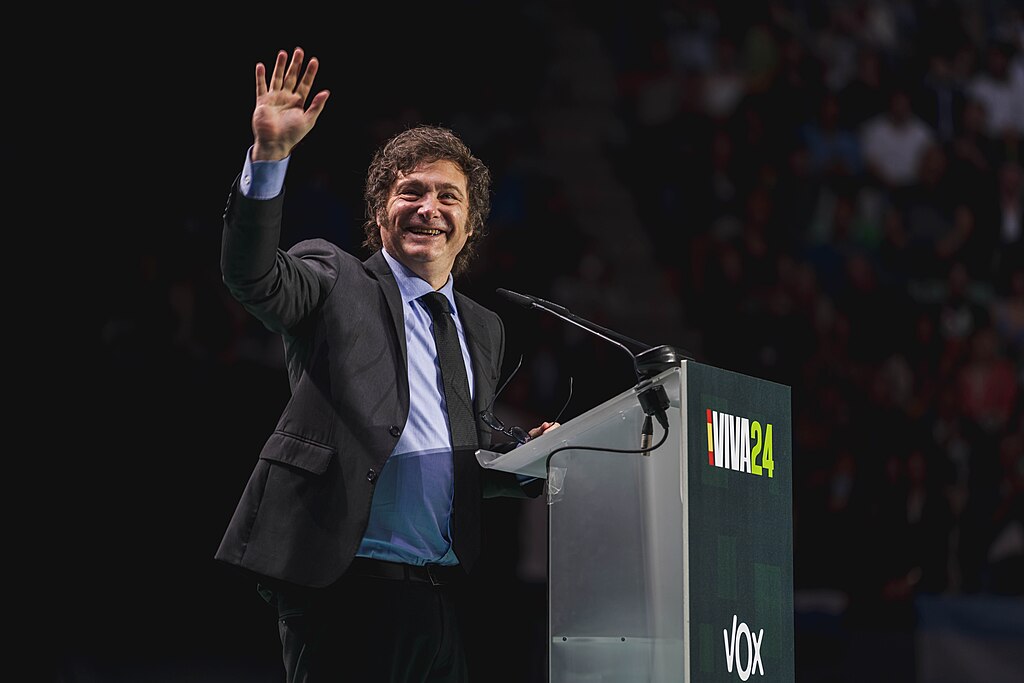
Argentina’s Senate has rejected President Javier Milei’s controversial Supreme Court nominations, dealing a political blow to the libertarian leader. The Senate voted against the appointments of federal judge Ariel Lijo and legal scholar Manuel Garcia-Mansilla, both of whom were named in a February decree by Milei.
Lijo's nomination was rejected by 43 votes to 27, with one abstention, while Garcia-Mansilla was turned down by a wider margin of 51 to 20. Some conservative lawmakers joined opposition parties in the vote, reflecting widespread resistance across Argentina’s political spectrum.
The president's move to appoint justices by decree sparked backlash from jurists, human rights organizations, and legal experts, who raised concerns over the procedural legitimacy and qualifications of the nominees. Critics argued that Milei bypassed constitutional norms and failed to build consensus, further deepening political divisions.
Opposition Senator Jose Mayans emphasized the importance of legislative oversight, stating, “You cannot appoint judges by decree. We will not accept that in any way.”
The Senate holds the constitutional authority to approve or reject judicial appointments, and this vote underscores the institutional checks on Milei’s power. The rejection not only halts Milei’s attempt to reshape the judiciary but also signals increasing challenges to his broader reform agenda.
The failed nominations highlight growing political resistance to Milei’s leadership style and his efforts to centralize control. As Argentina grapples with economic and social tensions, the president’s inability to push through key judicial appointments may complicate future legislative battles.
This development marks a significant setback for Milei, whose anti-establishment rhetoric and bold policy moves continue to stir controversy in Argentina’s deeply divided political landscape.













