


 World game at war: why some European nations have threatened a World Cup boycott
  Nvidia Eyes $250B Guarantee for OpenAI’s Massive Ohio AI Data Center Project
  Seagate Stock Jumps as AI-Fueled Earnings Beat and Strong FY2027 Outlook Impress Investors
  Trump Administration to Ban Chinese Robots, Power Inverters Over AI Security Concerns
  Holcim Raises 2026 Outlook After Strong Q2 Earnings Beat
  Microsoft Stock Jumps as Azure Growth, AI Revenue Beat Expectations
  ‘Vibe coding’ is fun and easy, but there’s a major catch
  OpenAI Revenue Surges After GPT-5.6 Launch as IPO Expectations Grow
  SpaceX Wins $1.6 Billion U.S. Space Force Launch Contracts for Falcon 9 Missions Through 2027
  Arm Holdings Q1 Earnings Beat Estimates, Strong Q2 Outlook Fails to Lift ARM Stock
  Sony Eyes $1.3 Billion Tamron Acquisition as Lens Maker Reviews Offer
  Sony Raises Full-Year Outlook After Q1 Profit Jumps 40% on Gaming and Chip Growth
  Same sparkle, different story: how lab-grown diamonds are transforming the market
  Exosens H1 Profit Beats Forecasts as Defense Demand Drives Growth
  Amazon Q2 Earnings Beat Estimates as AWS AI Growth Surges, But Q3 Revenue Forecast Disappoints
  Rio Tinto Stock Jumps as Strong Earnings, Higher Dividend and AI Metal Demand Boost Outlook
  Meta Stock Drops After Earnings Miss as AI Spending and Legal Costs Weigh on Profit


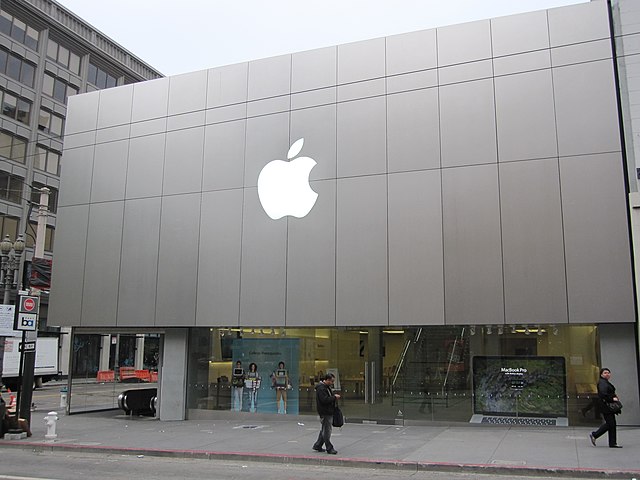
Apple (NASDAQ: AAPL) shares fell more than 7% in premarket trading after the tech giant issued weaker-than-expected guidance for the September quarter, overshadowing better-than-anticipated quarterly earnings and revenue.
The iPhone maker forecast September-quarter revenue growth of 9% to 11%, falling short of Wall Street expectations for roughly 12% growth. Apple also projected gross profit margins below analyst estimates, raising concerns that ongoing supply chain challenges and rising component costs will continue to pressure profitability.
According to Barclays analysts, Apple is facing memory shortages, component constraints, and foreign exchange headwinds that are weighing on its financial outlook. The bank noted that Apple has likely exhausted much of its lower-cost inventory and is no longer receiving the same supply chain priority as in previous product cycles. Analysts added that advanced semiconductor capacity is increasingly being allocated to artificial intelligence infrastructure rather than Apple devices.
Unlike several Magnificent Seven peers, Apple has maintained relatively modest AI-related capital spending. While some investors view this as a competitive disadvantage, others argue the strategy helps preserve cash flow and shields the company from the heavy investment burden facing AI-focused rivals.
Despite Friday's selloff, Apple stock had been the strongest-performing Magnificent Seven company this year, climbing 22.7% and briefly pushing its market capitalization above $5 trillion earlier this week.
For the June quarter, Apple reported earnings of $2.02 per share on revenue of $109.42 billion, exceeding analyst expectations of $1.89 per share and $108.86 billion in revenue. However, earnings were boosted by a one-time $2 billion tariff refund.
iPhone sales increased about 21%, supported by strong demand for the iPhone 17 lineup. Counterpoint Research also expects Apple to expand its market share across smartphones, tablets, personal computers, and smartwatches throughout 2026.
Apple's Services segment generated $30.74 billion in revenue, up 12.1% year over year but below consensus estimates of $31.22 billion. Revenue from Greater China rose 22.4% to $18.86 billion, also missing forecasts despite Apple outperforming the broader Chinese smartphone market in second-quarter shipments.
The results marked CEO Tim Cook's final earnings report leading the company, as investors now turn their attention to Apple's ability to overcome supply chain pressures and reignite growth in the quarters ahead.







