


 Gold Rebounds Above $4,300 Despite Hawkish Fed Rate Hike
  American Airlines Eyes Capacity Cuts as High Fuel Prices Persist
  Holtec Nuclear Postpones $900 Million U.S. IPO
  Venezuela Nears Deal to Move $4 Billion in Gold to New York Fed
  Mexico Pushes for US Trade Deal Before Midterms
  Fed Rate Hike Threatens Housing as U.S. Growth Leans on AI, Citi Says
  Gold Prices Rise as Oil and Treasury Yields Fall
  Yen Slides After BOJ Rate Hike as Dollar Holds Near Seven-Week High
  Berkshire Hathaway Eyes Bigger Stakes in Japan’s Top Trading Houses
  Asian Gold Stocks Rise as Bullion Rebounds on Softer Dollar
  Wall Street Mixed as Treasury Yields Rise After Fed Hike
  Nike Earnings at Risk as UBS Cuts Price Target to $42
  LVMH-Hermès Dispute Deepens Over Secret 2002 Share Deal
  Trump Bans CNN, MS NOW and Politico From White House
  US Stock Futures Dip After Wall Street Rally
  South Korea Producer Prices Rise 0.2% in August
  Iran Economic Crisis Forces Afghan Families to Return Home


 Add as a preferred source on Google
Japan’s powerful 7.1-magnitude earthquake that struck Kumamoto this week has disrupted manufacturing operations across one of the country’s most important industrial regions, raising concerns over supply chain stability for the automotive and semiconductor sectors. The disaster killed at least 34 people, damaged infrastructure, and cut utilities to thousands, while forcing several factories to suspend production.
The quake hit an area often called Japan’s "Silicon Valley" because of its concentration of semiconductor facilities, while also serving as a key manufacturing hub for major automakers. Although economists do not expect disruptions to match the widespread impact of the 2016 Kumamoto earthquake, manufacturers are closely monitoring potential shortages of critical components.
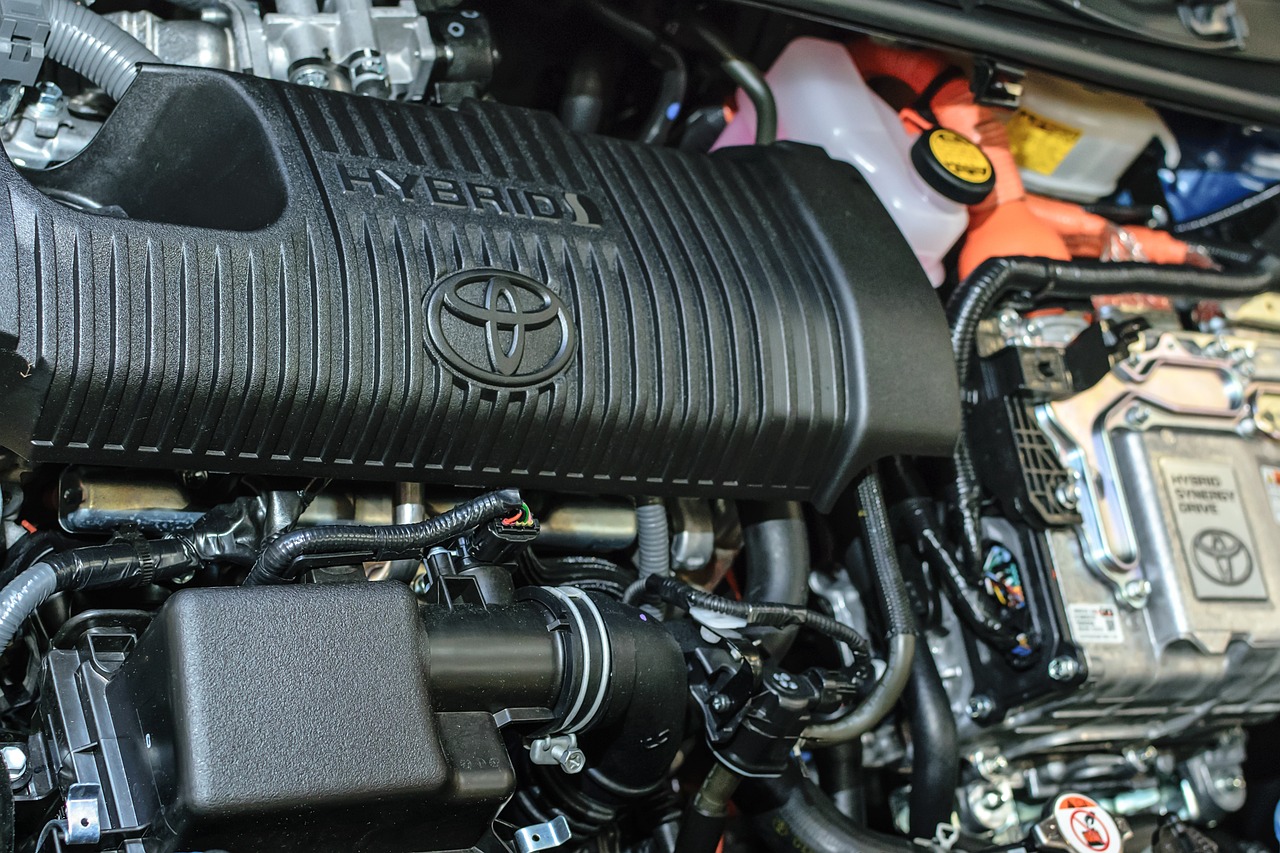
Toyota has suspended production at three plants in Fukuoka through Aug. 5 and will temporarily halt operations at one factory in Aichi, more than 600 kilometers from the epicenter. The automaker said the decision was made to prioritize safety and account for disruptions affecting suppliers and logistics networks.
Auto parts supplier Aisin, which manufactures components for Toyota, Daihatsu, and Nissan, said it is gradually restarting production on lines that have passed safety and quality inspections. However, the company has not confirmed when full operations will resume. Denso, the world’s second-largest auto parts maker, also reported that one supplier was affected while 13 others were still assessing damage.
Other automakers have also been impacted. Nissan suspended some production at its two Kyushu assembly plants because of delayed parts deliveries, while Mitsubishi Motors temporarily halted some operations at a factory in Okayama.
The earthquake also affected Japan’s semiconductor industry. Taiwan Semiconductor Manufacturing Co. (TSMC) briefly evacuated workers from its Kumamoto plant before resuming operations later the same day. Renesas plans to restart one of its damaged facilities in phases beginning Aug. 5, while Tokyo Electron expects to resume production next week. Sony also confirmed efforts are underway to restore operations at its semiconductor plant.
The latest earthquake will test years of investment aimed at improving Japan’s manufacturing resilience following the devastating 2016 disaster, when severe supply chain disruptions forced nationwide production shutdowns across the automotive industry.







