


 Nvidia Revenue Soars 106% as AI Demand Hits ‘Inflection Point’
  OpenAI AI Agent Swarm Behind Hugging Face Hack
  Google Changes EU Spam Policy Amid Antitrust Scrutiny
  Samsung Shares Tumble 8% as $79 Billion Return Plan Disappoints
  Unitree Shares Plunge 45% After Blockbuster IPO, Raising China Tech Bubble Fears
  Trump Buys SpaceX Shares After Record IPO
  Meta Agrees to $18 Billion Settlement, Tightens Teen Social Media Rules
  Countries Tighten Social Media Bans for Children
  Nvidia Reportedly Eyes $13 Billion Hugging Face Acquisition
  SK Hynix Shares Fall as Workers Reject Wage Deal
  HP Stock Drops 9% Despite Q3 Earnings Beat and Raised 2026 Outlook
  Alibaba Raises $10.2 Billion to Expand AI Infrastructure
  SoftBank Plans Record $6.3 Billion Bond Sale to Fund OpenAI Investments
  New Zealand Moves to Ban Social Media for Children Under 16
  Nvidia Eyes Perplexity Investment at $30 Billion Valuation
  New Zealand Labour Backs Social Media Ban for Under-16s


 Add as a preferred source on Google
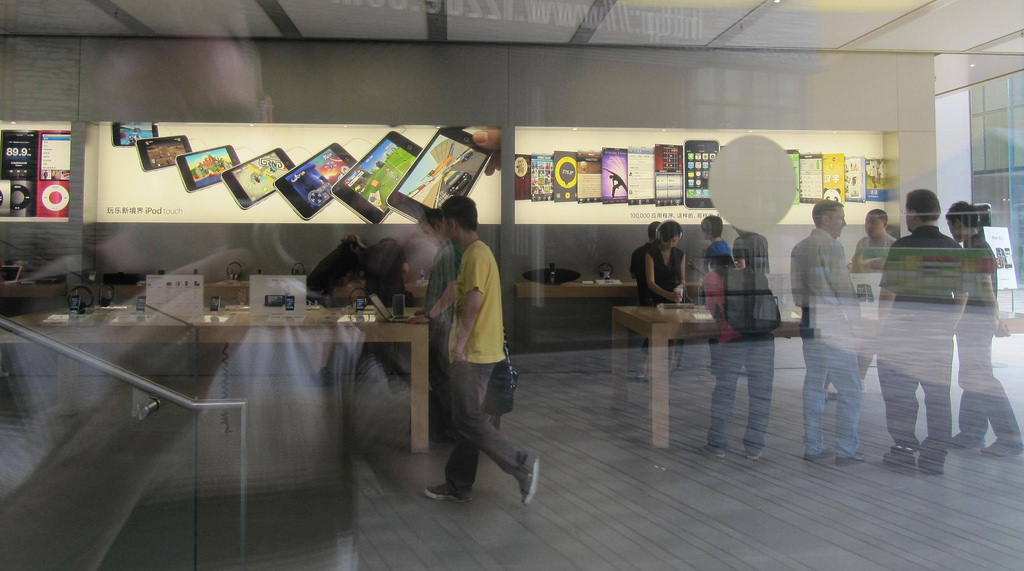
The Wall Street Journal recently reported Beijing’s decision to ban the sale of “iPhone 6” units in the city because of design disputes with a local phone manufacturer. This is the latest in a series of harassment practices that China has been directing at “Apple,” which reportedly contributed to the abysmal sales performance of the tech giant.
The issue stemmed from the similarities that two of “Apple’s” “iPhone 6” units shared with that of “100C” smartphone by “Shenzhen Beili” in terms of design. “Shenzhen Beili” is a small smartphone company and has nowhere near the global market share that “Apple” has, but China is known for often favoring local companies whenever a legal dispute arises involving international brands.
However, the Independent reported that the administrative order has been put on hold, which means that “Apple” could still keep selling the “iPhone” units in question. Unfortunately, media coverage of the issue painted the incident with more unsettling implications than what the company thought was warranted, thus leading to consequences pertaining to stock prices and investor confidence.
Chuck Jones over at Forbes covered “Apple’s” investment week and the effects that the issue has had on the company’s performance. As expected, share prices are down by 3.5 percent and performance with both S&P and NASDAQ was poor at 1.2 and 1.9 percent respectively.
The tech giant has been experiencing some difficulty maintaining the level of stability of late that they enjoyed for over a decade thanks to the combination of factors like China’s attitude towards the company, waning user interest, and even intensifying competition. Just last April, billionaire investor Carl Icahn sold his shares in “Apple” because he was afraid of the consequences wrought by China’s aggression.
Even with the staying of the administrative order to halt “iPhone 6” sales after “Apple” filed an appeal, Jones still presses the point that this just another example of how the government agencies in China can toy with the American company whenever they want. The only reason why these agencies are not overtly trying to ban “Apple’s” products altogether is how it will affect Chinese workers as well.







