


 HP Stock Drops 9% Despite Q3 Earnings Beat and Raised 2026 Outlook
  SK Hynix Shares Fall as Workers Reject Wage Deal
  Luxshare Shares Rise as First-Half Profit Jumps 18%
  Unitree Shares Plunge 45% After Blockbuster IPO, Raising China Tech Bubble Fears
  SoftBank Plans Record $6.3 Billion Bond Sale to Fund OpenAI Investments
  Alibaba Raises $10.2 Billion to Expand AI Infrastructure
  New Zealand Labour Backs Social Media Ban for Under-16s
  Meta, U.S. States Discuss Settlement in Teen Addiction Trial
  Nvidia Revenue Soars 106% as AI Demand Hits ‘Inflection Point’
  Nvidia Eyes Perplexity Investment at $30 Billion Valuation
  OpenAI AI Agent Swarm Behind Hugging Face Hack
  SoftBank Eyes $20 Billion Bond Sale to Refinance OpenAI Loan
  Google Changes EU Spam Policy Amid Antitrust Scrutiny
  Samsung Shares Tumble 8% as $79 Billion Return Plan Disappoints
  Xiaomi Unveils Xring O3 Chip for Flagship Foldable Phone


 Add as a preferred source on Google
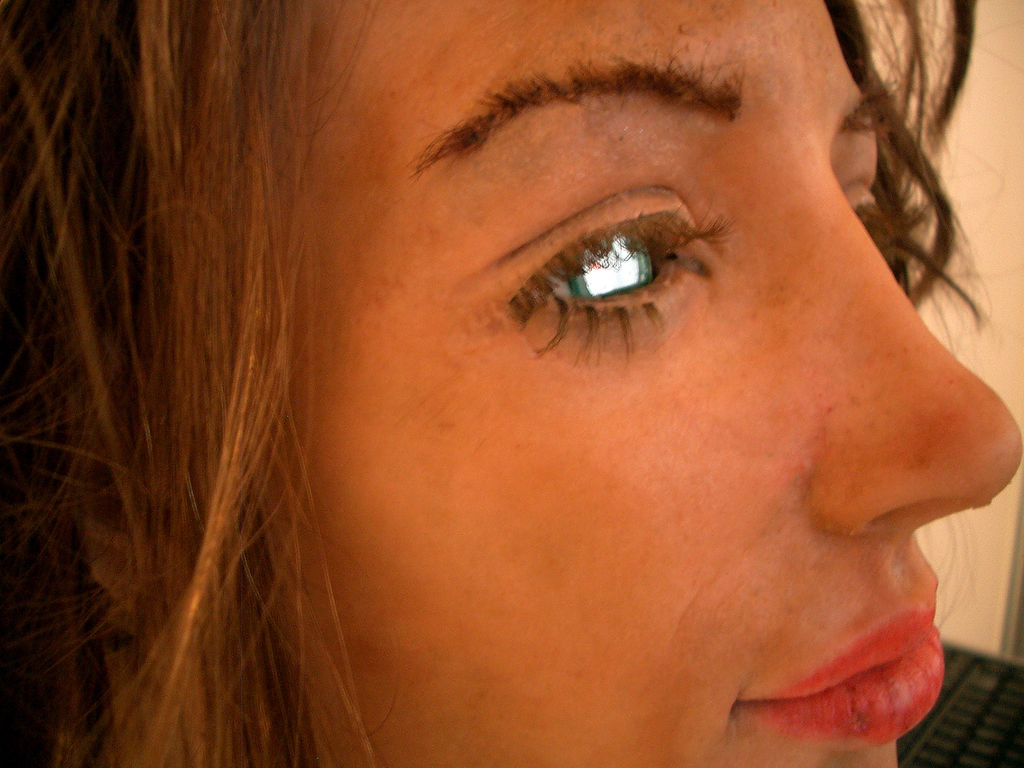
Movies and TV shows like West World would like audiences to believe that androids can become so lifelike that it would be difficult to differentiate them from humans. However, new research disproves this notion, saying that the human brain isn’t so easily tricked. In fact, it would only take a second to tell which a human is and which an android is.
The study was conducted by a team of researchers from the University of California, Berkeley and was published in the Nature Communications journal November edition, MedicalXpress reports. The results of the research suggest that the human brain’s capacity to rapidly take in information and then process it would make it very difficult for androids to actually pass as humans.
In what the researchers are calling the "ensemble lifelikeness perception," it would appear that the brain has a visual mechanism which detects distinctions on things that are of real-world objects and that of the virtual or artificial kind. Just as humans know that they are looking at virtual reality when looking through devices like the Oculus Rift, so can the brain tell if something is a real human or something else, the study’s lead author Allison Yamanashi Leib explains.
"This unique visual mechanism allows us to perceive what's really alive and what's simulated in just 250 milliseconds," Leib said. "It also guides us to determine the overall level of activity in a scene."
The study involved testing a group of 68 adults, all of whom had perfect vision, the Daily Mail reports. The participants were then shown pictures of random objects in rapid succession, most of which stayed on for only 250 milliseconds. When asked to rate the images based on how lifelike they were, the researchers found that the participants were able to accurately distinguish which were fake and which were real.







