


 Finnair Orders 18 Embraer E195-E2 Jets in Landmark Fleet Overhaul
  Jeff Bezos Eyes $100 Billion Fund to Transform Manufacturing With AI
  Volkswagen CEO Urges Germany to Adopt China's Industrial Discipline Amid Major Restructuring
  Meta Ties Executive Pay to Aggressive Stock Price Targets in Major Retention Push
  Rio Tinto's Resolution Copper Mine: U.S. Smelting Challenges and Global Operations Update
  Apple Defies China's Smartphone Slump with Strong Early 2026 Sales
  Golden Dome Missile Defense: Anduril and Palantir Join Forces on Trump's $185B Space Shield
  Sonova Shares Slip as Hearing Aid Giant Lowers Growth Outlook and Plans Sennheiser Exit
  Samsung Bets Big on AI-Driven Chip Demand in 2025
  NVIDIA's Feynman AI Chip May Face Redesign Amid TSMC Capacity Crunch
  Nvidia Develops Groq AI Chips for Chinese Market Amid Export Shift
  SK Hynix Eyes Up to $14 Billion U.S. IPO to Fund AI Chip Expansion
  Cyberattack on Stryker Triggers U.S. Government Warning Over Microsoft Intune Security
  AWS Bahrain Region Disrupted by Drone Activity Amid Middle East Conflict
  Citi Names Eric Farina and Rob Cascarino to Lead Global Infrastructure Financing Group
  Judge Dismisses Sam Altman Sexual Abuse Lawsuit, But Sister Can Refile
  Micron Technology Beats Q2 Earnings Estimates, Issues Strong AI-Driven Outlook


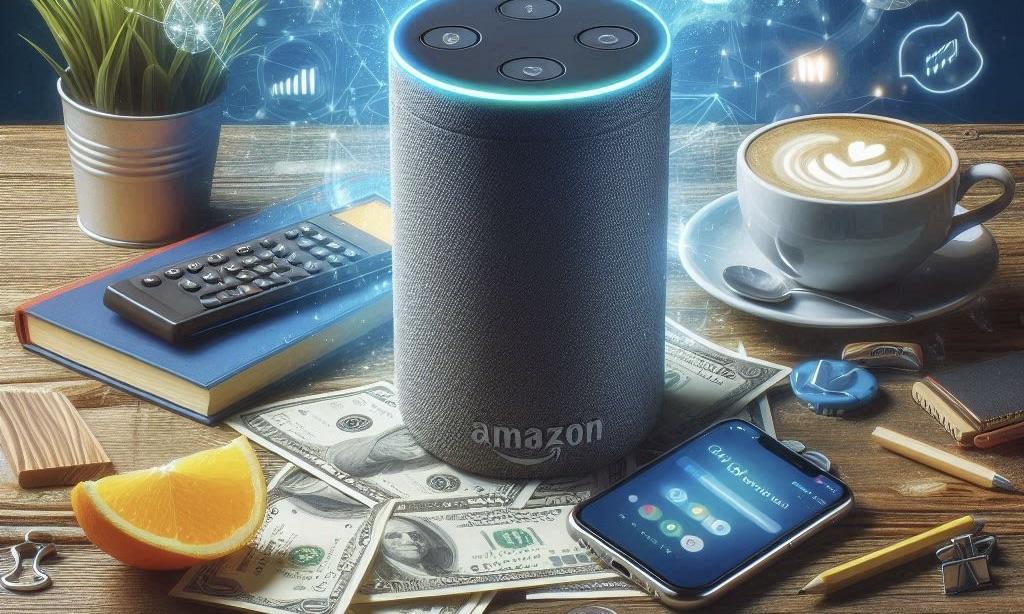
Amazon’s ambitious foray into the smart speaker market with its Alexa-powered Echo devices has not gone as planned. According to a recent Wall Street Journal report, the tech giant is losing billions on these products. Initially sold at a loss with the expectation that users would make up the difference by ordering products and services through Alexa, these devices are used predominantly for simple tasks like setting timers.
Miscalculation of Downstream Impact
Amazon significantly overestimated Alexa's downstream impact (DSI). The company had hoped that consumers would extensively use Alexa to make purchases, thereby offsetting the cost of the Echo devices. This assumption has proven incorrect, leading to substantial financial losses. Consequently, Amazon has downsized its devices division, laying off thousands of employees and discontinuing products like the Halo fitness band and Amazon Glow.
Despite these measures, the losses have continued. However, there are several strategies Amazon can employ to turn its Alexa and Echo business around.
Stop Selling Echos at a Loss
Amazon has achieved significant market saturation with over 500 million Alexa devices in circulation. This prevalence reduces the need to sell Echo devices at a loss to increase market share, especially since Google has not been as aggressive with its Nest Mini devices. Amazon can now afford to reduce the aggressive discounting of Echo devices. Instead, bundling them with profitable products like Ring video doorbells could maintain sales momentum without significant losses.
Moreover, introducing subscription-based features for future Echo speakers could provide a steady revenue stream. While consumers may initially resist, a nominal fee could be acceptable for enhanced functionality, mirroring the model used for Ring devices.
Incentivize Ordering by Voice
Amazon’s initial vision for Alexa included widespread use for voice-activated shopping, which has not materialized as expected. Amazon could offer discounts on products ordered through Alexa to encourage this behavior. Although this approach involves an initial cost, it could habituate consumers to use voice commands for shopping, ultimately increasing sales through Alexa.
For instance, if essential items like toilet paper and batteries were cheaper when ordered via Alexa, consumers might be more inclined to explore other discounted products. This strategy could prove less costly than selling Echo devices at a loss and help integrate voice shopping into daily habits.
Enhance Alexa’s Shopping Intelligence
Improving Alexa’s shopping capabilities is crucial. While Amazon has introduced Alexa Enhanced, the intelligent assistant’s functionality still lags behind newer AI developments like OpenAI’s ChatGPT. Enhancing Alexa’s ability to provide relevant shopping suggestions could transform user experience.
For example, if Alexa could notify users of discounts on frequently purchased items, it would encourage more interactions and purchases. Providing helpful shopping tips and personalized recommendations can make Alexa a more integral part of the shopping experience.
Future Prospects
Amazon’s Echo devices and Alexa face significant financial challenges, but strategic adjustments can help turn the situation around. By reevaluating pricing strategies, incentivizing voice orders, and enhancing Alexa’s shopping intelligence, Amazon can better align the product with consumer needs and preferences. These changes could mitigate losses and set the stage for sustainable growth in the smart speaker market.
As Amazon navigates these challenges, its ability to innovate and adapt will be vital to maintaining its competitive edge and achieving long-term success in the rapidly evolving tech landscape.













