


 US Northeast Airports Resume Operations After Telecom Outage Disrupts Thousands of Flights
  US, China Extend Trade Truce to Jan. 10 Ahead of Trump-Xi Summit
  US Stock Futures Rise as Meta Muse Fuels AI Rally
  Wall Street Falls as Treasury Yields Surge, Oil Rebounds on Iran Tensions
  Anthropic’s Claude Discovers CRISPR-Like Enzyme System
  Trump Bans CNN, MS NOW and Politico From White House
  Paramount Skydance Faces $30 Million Film Penalty in Warner Bros. Deal
  Trump Plans Federal AI Force and AI Czar
  Gold Prices Rise as Oil Slide Eases Fed Rate Hike Fears
  OpenAI Urges US-Led Global Standards for Frontier AI
  Canada Unveils Bill to Fast-Track Major Resource Projects
  McDonald’s Sees Flat Traffic, Sticky Inflation as New Normal
  Vietnam Stocks Join FTSE Emerging Market Indexes, Unlocking Billions in Foreign Investment
  Nike Earnings at Risk as UBS Cuts Price Target to $42
  Apple Pay Set for India Launch With Axis Bank
  U.S. Dollar Hits Eight-Week High After Fed Rate Hike
  Paramount-Warner Bros $110 Billion Deal Draws Antitrust Backlash


 Add as a preferred source on Google
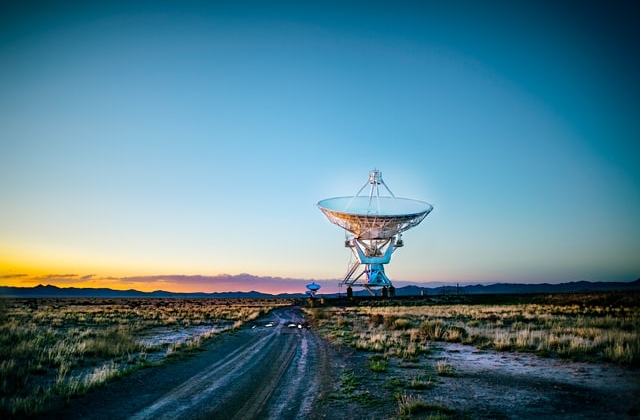
Amazon is working on its Project Kuiper program that aims to provide internet service to the public. The tech company is planning to launch its internet service not just in the United States but around the world, so it is requesting approval to deploy additional 4,500 satellites to space.
Amazon is waiting for the U.S. communication regulator's go signal for the launch of more satellites so it can expand its internet project. The effort is part of the goal to deliver broadband internet even to remote regions and areas that have slow or weak service.
According to Reuters, Amazon is investing at least $10 billion to create 3,236 internet satellites for its Project Kuiper program. Last week, it was reported that Jeff Bezos' company submitted its request to the Federal Communications Commission (FCC) for additional deployment of satellites. Once approved, the company will bring the number of its satellites to 7,774.
Amazon also asked the FCC for permission to launch and operate two prototype satellites in the last quarter of 2022. The company stated in its regulatory filing that the satellites would be used to service homes, businesses, medical facilities, government agencies, and other institutions worldwide.
"Although connectivity has improved on a global basis, only 51% of the global population, and 44% of the population of developing countries, are online," Amazon explained.
With the firm's Project Kuiper, a competition between Amazon and Elon musk's Starlink is expected. The latter is already providing satellite-based internet service to some countries. Bezos and the Tesla chief are also rivals in space exploration, and both have already launched space crafts with civilian passengers not long ago.
At any rate, CNBC previously reported that Amazon's first two prototype satellites that will be launched next year are called KuiperSat-1 and KuiperSat-2. These will be carried outside of Earth through ABL Space on its RS1 rocket.
"We'll soon be ready to see how [the satellites] perform in space," the publication quoted Rajeev Badyal, Amazon's vice president of technology, as saying in a statement. "There is no substitute for on-orbit testing, and we expect to learn a lot given the complexity and risk of operating in such a challenging environment."







