


 Trump Allows Commercial Fishing in Protected New England Waters
  Anutin’s Bhumjaithai Party Wins Thai Election, Signals Shift Toward Political Stability
  Trump Congratulates Japan’s First Female Prime Minister Sanae Takaichi After Historic Election Victory
  Trump Says “Very Good Talks” Underway on Russia-Ukraine War as Peace Efforts Continue
  Israel Approves West Bank Measures Expanding Settler Land Access
  U.S. Lawmakers to Review Unredacted Jeffrey Epstein DOJ Files Starting Monday
  New York Legalizes Medical Aid in Dying for Terminally Ill Patients
  Netanyahu to Meet Trump in Washington as Iran Nuclear Talks Intensify
  Jack Lang Resigns as Head of Arab World Institute Amid Epstein Controversy
  China Overturns Death Sentence of Canadian Robert Schellenberg, Signaling Thaw in Canada-China Relations
  Bosnian Serb Presidential Rerun Confirms Victory for Dodik Ally Amid Allegations of Irregularities
  Bangladesh Election 2026: A Turning Point After Years of Political Suppression
  Antonio José Seguro Poised for Landslide Win in Portugal Presidential Runoff
  Nicaragua Ends Visa-Free Entry for Cubans, Disrupting Key Migration Route to the U.S.
  Ghislaine Maxwell to Invoke Fifth Amendment at House Oversight Committee Deposition
  Ohio Man Indicted for Alleged Threat Against Vice President JD Vance, Faces Additional Federal Charges
  India–U.S. Interim Trade Pact Cuts Auto Tariffs but Leaves Tesla Out


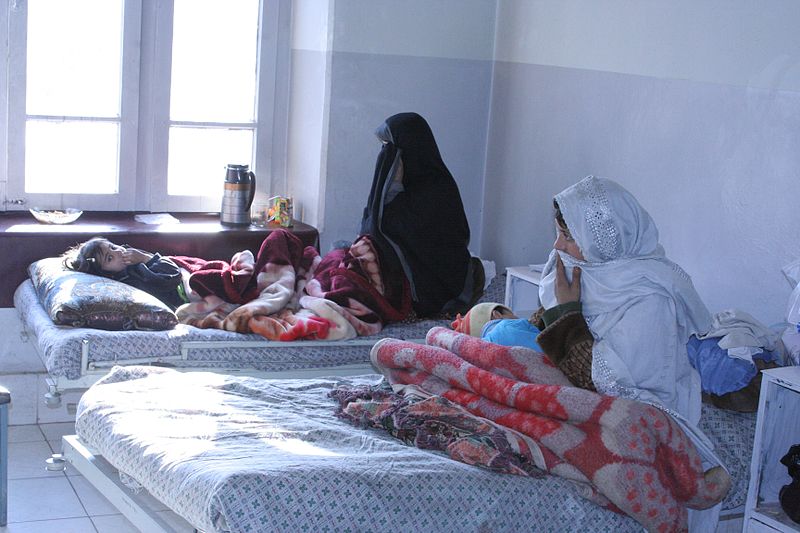
The COVID-19 pandemic has also reached Afghanistan, as the country deals with infections amidst an ongoing crisis since the Taliban took over. Aside from a humanitarian and economic crisis, Afghanistan appears to also suffer a healthcare crisis as it deals with coronavirus cases.
According to Al Jazeera, the COVID-19 situation in Afghanistan has improved so far. However, while the cases have improved, the Afghan-Japan Communicable Disease hospital in Kabul is on the verge of a “collapse.” The report revealed that the fuel needed to produce oxygen is running low in the only facility for COVID-19 in the capital along with an increasing shortage in supplies such as essential drugs. The hospital’s staff are also struggling financially but still show up to treat patients.
The hospital’s administration logistics manager Dr. Ahmad Fatah Habibyar told the outlet that they are dealing with three months of unpaid salaries, shortage of equipment, drugs, and food. Dr. Habibyar noted that some of the staff in the hospital have struggled to the extent that they had to sell their household furniture in order to make ends meet.
“Oxygen is a big issue because we can’t run the generators,” said Dr. Habibyar, adding that the hospital’s production plant has not worked for months as they could not afford the diesel fuel required. They have had to resort to buying oxygen cylinders from a local supplier, and the doctors are also anticipating what they fear to be an inevitable set of new infections from the Omicron variant.
Meanwhile, the US House of Representatives is calling on the Biden administration to take action in preventing an economic crisis in Afghanistan. A group of lawmakers led by Democratic Reps. Jason Crow and Tom Malinowski and Republican Rep. Peter Meijer proposed steps to provide economic relief in a letter addressed to Secretary of State Antony Blinken and Treasury Secretary Janet Yellen this week.
“We have no desire to help the Taliban government and believe that there is an approach the US can take to help prevent a catastrophic collapse of Afghanistan’s aid-dependent economy while not providing legitimacy to the Taliban,” the lawmakers wrote.
They advised the Biden administration to release the frozen Afghan funds to a United Nations-backed agency to pay teacher salaries and provide meals for children in schools as long as girls can attend, clarifying sanctions exemptions for humanitarian aid, assisting “multilateral organizations attempting to pay Afghan civil servants,” and allowing Afghanistan’s financial institutions to inject funds into the Afghan economy among other measures.













